My Cart: 0 item(s)

Extreme Corals News and Updates
Zoanthid Care in Reef Tanks: Lighting, Flow, Feeding, Placement and Pest Prevention
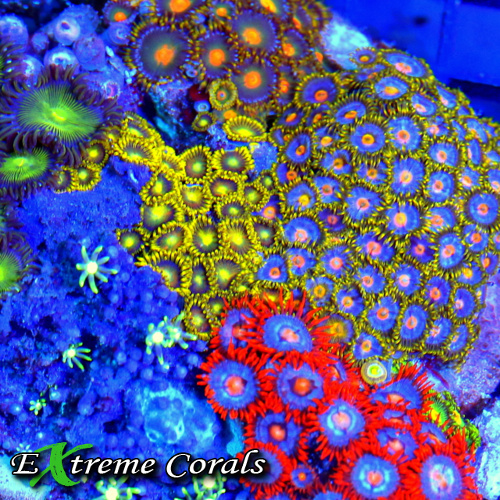
Learn how to care for zoanthids in a home aquarium with the right lighting, water flow, feeding, placement, and pest prevention for long-term growth and color.
Learn how to care for zoanthids in a reef tank with tips on lighting, flow, feeding, placement, water quality, propagation, and pest prevention.
by Scott Shiles • April 12, 2024
Zoanthids are one of the most popular corals in reef tanks because they combine bright color, fast growth, and relatively manageable care requirements. They are a favorite among both beginner and experienced reef keepers thanks to their huge range of patterns, their ability to create colorful colonies, and their flexibility in mixed reef systems. This guide explains how to care for zoanthids in a home aquarium, including lighting, flow, feeding, water quality, placement, propagation, and the most common problems to watch for.
For many hobbyists, zoanthids are the corals that make a reef tank feel alive. A healthy zoa colony can transform a dull section of rock into one of the most colorful areas in the tank. They can also be highly collectible, with different color morphs and patterns creating endless variety. While zoanthids are often considered easier than many stony corals, they still do best when their environment is stable and thoughtfully planned.
Looking to add colorful zoanthids to your reef tank? Browse our zoanthids for sale and explore vibrant corals for your aquarium.
Introduction to Zoanthids in Home Aquariums
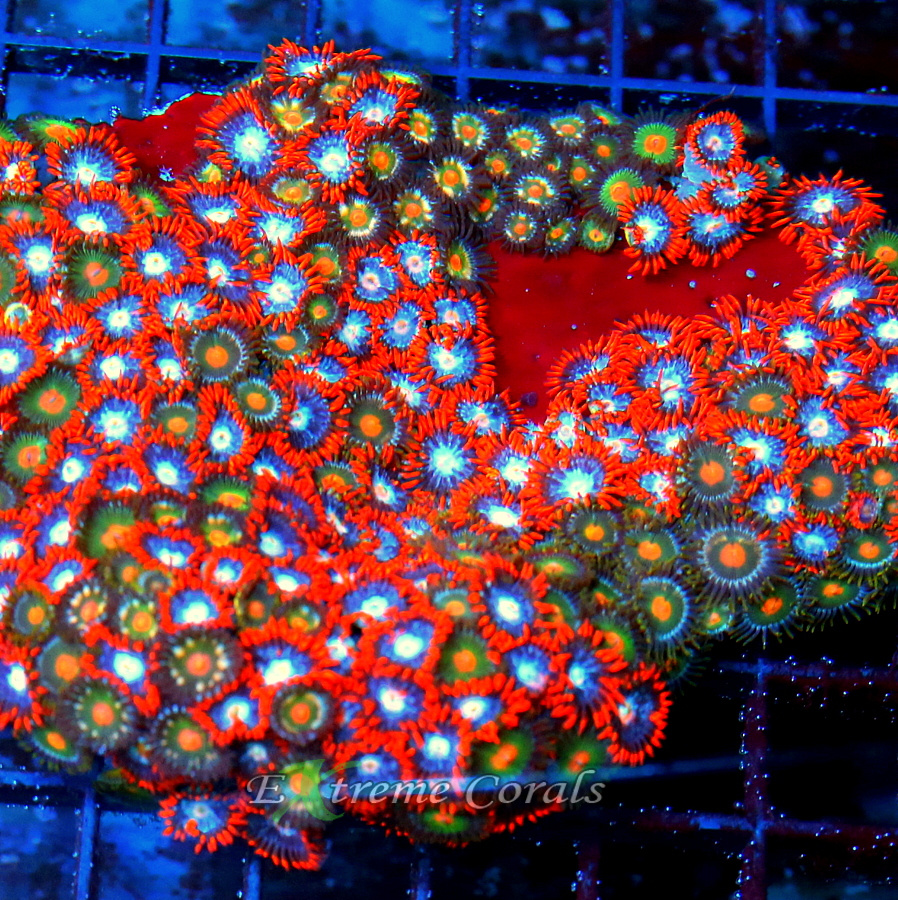
Zoanthids are colorful colonial polyps known for their vivid hues, striking patterns, and ability to spread across rockwork and plugs. They are especially popular because they can fit into many different reef styles, from beginner-friendly mixed reefs to more advanced coral gardens.
One reason zoanthids are so widely kept is that they offer strong visual impact without requiring a full SPS-style setup. They usually tolerate a broader range of conditions than more demanding corals, but they still reward stable water quality, appropriate placement, and consistent maintenance.
Why Reef Keepers Love Zoanthids
- They come in a huge variety of colors and patterns
- They can create bright, dense colonies in the reef tank
- They are often more approachable than many stony corals
- They work well in mixed reefs and dedicated zoa gardens
- They can reproduce and spread under good conditions
Zoanthids are also useful for adding color to lower-profile areas of the aquascape where larger branching or fleshy corals may not make as much visual impact. A well-placed zoa colony can completely change the look of a section of reef.
Understanding Zoanthids' Habitat Requirements
Zoanthids are often found in shallower reef zones where light and water movement are both present, but not always extreme. In a home aquarium, they usually do best when they receive stable lighting, moderate flow, and clean water with enough nutrients to support healthy growth.
- Bright but stable reef lighting is important
- Moderate to moderately strong flow helps keep them clean
- Middle to lower placement often works well for many varieties
- Stable water chemistry matters more than constant adjustment
While some zoanthids can adapt to a wide range of placements, not every morph will respond exactly the same. The key is watching how the colony reacts over time and adjusting carefully if needed.
Lighting for Zoanthids
Zoanthids usually do best under moderate to moderately high lighting. They are photosynthetic and depend on light as their main energy source, but different varieties can respond differently depending on coloration, prior acclimation, and overall tank conditions.
- Moderate to high lighting is usually ideal
- LED lighting is a popular choice for zoanthid systems
- Too much light too quickly can stress colonies
- Too little light can reduce color and growth
Many hobbyists place zoanthids in the middle to bottom areas of the tank at first, then adjust upward or downward depending on how the colony responds. If polyps stay tight and faded, lighting may be off. If color is strong and polyps open consistently, placement is usually working.
If you are still fine-tuning your setup, learn more about coral lighting.
Water Flow for Zoanthids
Water movement is very important for zoanthids because it helps remove waste, prevent detritus buildup, and keep the colony clean. Most zoanthids do well in moderate flow rather than weak stagnant areas or extreme direct current.
- Moderate flow is usually best
- Flow should keep debris from collecting between polyps
- Too much direct flow can cause colonies to stay closed
- A gentle swaying response is often a good sign
Zoanthids placed in dead spots may collect algae or detritus more easily, which can irritate the colony over time. On the other hand, a hard direct blast may keep them from opening fully. Broad, indirect movement is often the best fit.
You can also read our reef flow guide.
Water Parameters and Water Quality
Zoanthids are considered adaptable, but they still perform best in stable reef conditions. Maintaining consistent salinity, temperature, pH, and nutrient balance is important for both growth and color.
- Temperature: 75-80°F
- Salinity: 1.023-1.025
- pH: 8.1-8.4
- Stable nitrate and phosphate levels help support health
- Regular testing and water changes help keep the system balanced
Routine water testing and regular water changes are some of the simplest ways to keep zoanthids healthy. If a colony suddenly closes up or looks dull, water quality is always worth checking first.
If you are working on chemistry stability, learn more about pH and alkalinity in reef tanks.
Feeding and Nutrition for Zoanthids
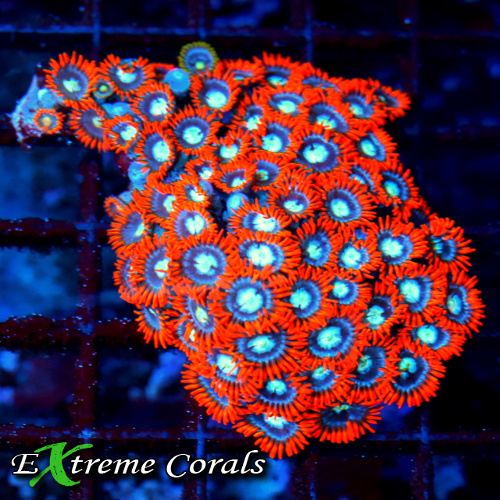
Zoanthids get much of their energy through photosynthesis, which is why they are often considered easy to keep. However, they may also benefit from occasional supplemental feeding in some systems, especially if the tank is very clean or nutrient-poor.
- Photosynthesis is their main energy source
- Occasional phytoplankton, zooplankton, or coral food may be helpful
- Do not overfeed the system
- Watch for uneaten food that could hurt water quality
Supplemental feeding is usually not required for basic survival, but it can help support growth and colony fullness in the right system. As with many reef foods, moderation matters more than quantity.
Best Placement for Zoanthids in a Reef Tank
Placement should be based on lighting, flow, and how much space the colony will need if it grows out. Many zoanthids do well in middle to lower parts of the tank, especially when the light is moderate and flow is steady but not excessive.
- Middle to lower placement is often a strong starting point
- Low to medium flow areas often work well
- Keep them where detritus will not collect heavily
- Leave room for the colony to expand over time
Some zoanthids can grow quickly under good conditions, so a small frag can eventually cover a much larger area than expected. Planning for future spread is part of smart placement.
Monitoring and Maintaining Water Quality
Keeping zoanthids healthy long term usually comes down to consistency. Routine monitoring helps catch problems early and reduces the risk of sudden decline.
- Test salinity, pH, nitrate, and other core parameters regularly
- Keep temperature stable
- Use regular water changes to help maintain quality
- Watch for algae or detritus collecting around the colony
Even hardy corals perform better when the tank is maintained well. Zoanthids may tolerate a lot, but they still look best in clean, stable systems.
Common Zoanthid Problems and Troubleshooting Tips
If zoanthids suddenly close or begin looking unhealthy, there are several possible causes. The most common include water quality issues, pests, stress from placement, or physical irritation.
- Unstable salinity or temperature
- Too much or too little flow
- Lighting stress
- Pests such as zoanthid-eating nudibranchs or zoa spiders
- Algae or debris irritating the colony
One of the best habits in reefkeeping is to watch your zoanthids closely. A colony that normally opens well but suddenly stays closed is usually telling you something is wrong.
Pests to Watch For
Zoanthids are well known for attracting certain specialized pests, which is why inspection and quarantine are so important.
- Zoanthid-eating nudibranchs
- Zoa spiders
- Other hitchhikers hidden on plugs or colony bases
Dipping new frags before adding them to your tank and quarantining new arrivals when possible can help prevent major problems later. A magnifying glass or close visual inspection is often useful for spotting tiny pests before they spread.
Propagation Techniques for Zoanthids
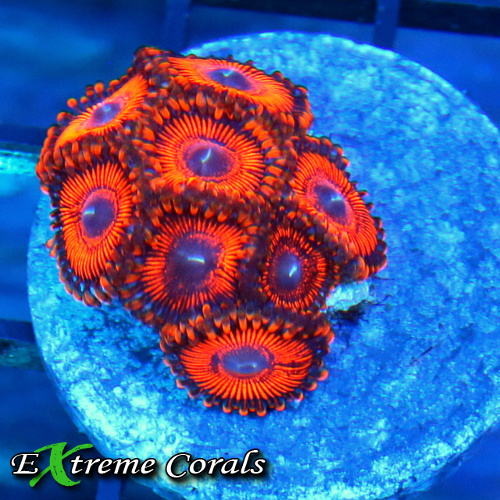
Zoanthids are often propagated by fragging or careful polyp division. Because they can reproduce and spread under the right conditions, they are a popular coral for hobbyists who want to grow and expand a collection over time.
- Use clean, sterilized tools
- Handle colonies carefully to avoid tissue damage
- Give freshly cut pieces stable conditions to heal
- Monitor closely after fragging
Fragging zoanthids can be rewarding, but care should always be taken when handling them. Some species can produce palytoxin-related compounds, so using gloves, eye protection, and safe handling practices is strongly recommended.
Compatibility With Other Marine Life
Zoanthids generally work well in mixed reef systems, but placement still matters. Some neighboring corals may sting them, some fish may pick at them, and some zoanthids may spread aggressively if left unchecked.
- Keep them away from highly aggressive corals
- Be cautious with fish known to pick at polyps
- Watch for overgrowth if colonies begin spreading quickly
- Leave enough room for neighboring corals to expand safely
Zoanthids can be a great part of a mixed reef, but they should not be treated as a coral that can simply go anywhere without planning.
How to Keep Zoanthids Thriving Long Term
The long-term success of a zoanthid colony usually depends on a few simple things done consistently: stable water, appropriate light, good flow, pest prevention, and regular observation.
- Keep the tank stable
- Inspect new additions carefully
- Feed lightly only when appropriate
- Watch for pests and early stress signals
- Adjust placement gradually if needed
When those basics are in place, zoanthids can become one of the most rewarding and colorful corals in the entire reef tank.
Related Corals You May Also Like
If you are interested in zoanthids, you may also want to explore other colorful and beginner-friendly reef tank corals:
- Browse zoanthids for sale
- Green Star Polyp care guide
- Xenia coral care tips
- Clove polyps care guide
- Overview of coral types and care guidelines
Ready to add color and movement to your reef tank? Browse our zoanthids for sale and explore healthy, vibrant coral colonies for your aquarium.
Shop Zoanthids and Colorful Reef Corals
Explore our WYSIWYG zoanthids, soft corals, and other colorful reef tank corals to build a brighter, more dynamic aquarium.
Frequently Asked Questions
Q: Are zoanthids good for beginners?
A: Yes. Zoanthids are often considered beginner-friendly because they are colorful, adaptable, and generally easier to care for than many stony corals.
Q: What lighting do zoanthids need?
A: Most zoanthids do well under moderate to moderately high lighting, though exact placement may vary depending on the variety and the tank.
Q: Do zoanthids need feeding?
A: They rely mainly on photosynthesis, but some systems may benefit from occasional supplemental feeding with appropriate coral foods.
Q: What pests attack zoanthids?
A: Common pests include zoanthid-eating nudibranchs and zoa spiders, which is why dipping and quarantine are important.
Q: Can zoanthids spread quickly?
A: Yes. Under good conditions, many zoanthids can reproduce and spread across rockwork or plugs over time.
About the Author
Scott Shiles is the owner of ExtremeCorals.com, which he has operated for over 25 years and is recognized as one of the early dedicated live coral websites on the internet. A lifelong reef keeper since 1984, Scott has decades of hands-on experience maintaining marine aquariums and previously owned and operated a brick and mortar aquarium retail store for 10 years, including five years alongside Extreme Corals. He holds a degree in Marine Biology and has personally selected and sold hundreds of thousands of live corals. An avid scuba diver who has explored reef systems around the world, Scott shares practical coral care and husbandry knowledge based on real world reef experience.
overall rating:
my rating:
log in to rate
Please log in to leave a comment.
For more information visit: additional resources