My Cart: 0 item(s)

Extreme Corals News and Updates
Alveopora Coral Care Guide: How to Choose, Acclimate and Keep Flower Pot Corals Healthy
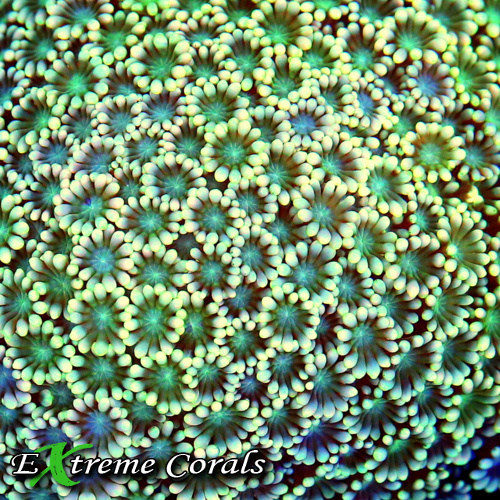
Learn how to care for Alveopora coral in a reef tank, including lighting, flow, placement, feeding, water parameters, quarantine, acclimation, pests and stress signs.
Learn Alveopora coral care for reef tanks, including lighting, flow, feeding, placement, water parameters, quarantine, acclimation and common problems.
by Scott Shiles • May 05, 2026
Alveopora coral is a beautiful large polyp stony coral known for long, flower-like polyps, soft movement, and bright reef tank color. Healthy Alveopora can create a flowing, natural look in a reef aquarium while offering a slightly different appearance than the more commonly discussed Goniopora-style flower pot corals.
Alveopora can be rewarding, but it should not be treated like a basic beginner coral that can be placed anywhere. It needs stable water chemistry, moderate lighting, gentle to moderate indirect flow, careful acclimation, and enough space for full polyp extension. Poor shipping, rough handling, excessive flow, unstable salinity, or damaged tissue can quickly lead to stress.
At Extreme Corals, Alveopora is best chosen with both beauty and health in mind. This guide explains how to choose healthy Alveopora specimens online, how to inspect photos and shipping quality, and how to care for Alveopora in your reef tank. For more reef care help, you can also review our coral care guide, coral quarantine guide, and coral placement guide.
What Is Alveopora Coral?
Alveopora is a large polyp stony coral with a calcium carbonate skeleton and long, extended polyps that create a flower-like appearance. Each polyp has fewer tentacle tips than Goniopora, which can help experienced reef keepers tell the two coral groups apart.
Alveopora corals are popular because they offer:
- Long, flowing flower-like polyps
- Gentle movement in reef flow
- Attractive green, pink, cream, purple, tan, and mixed coloration
- Moderate lighting requirements in stable systems
- Strong visual appeal in LPS and mixed reef displays
- A softer movement look than many other stony corals
Although Alveopora can be more forgiving than some difficult flower pot corals, it still needs thoughtful placement and stable care.
Alveopora vs Goniopora
Alveopora and Goniopora are often compared because both have flower-like polyps and belong to the larger group of LPS-style reef corals. They can look similar at first glance, but they are not identical.
A simple visual difference is that Alveopora polyps usually show 12 tentacle tips, while Goniopora polyps usually show 24. In the aquarium, Alveopora is often considered a little more forgiving than some Goniopora varieties, although both corals still need stable water, appropriate nutrients, and gentle indirect flow.
If you are building a movement-focused LPS reef, Alveopora can pair visually with Euphyllia-style corals, Duncan corals, and other moderate-flow LPS corals as long as spacing and aggression are managed.
How to Choose a Healthy Alveopora Coral Online
When shopping for Alveopora online, clear photos and honest descriptions matter. Healthy specimens should show good tissue coverage, natural color, and signs of polyp extension. A coral does not need to be fully open in every photo, but it should not look damaged, slimy, badly receded, or bleached.
Look for:
- Vibrant, stable coloration
- Firm tissue covering the skeleton
- Polyps that appear capable of extending
- No obvious tissue recession
- No exposed skeleton around the colony edge
- No brown jelly, heavy slime, or necrotic tissue
- No visible pests, eggs, or nuisance algae on the base
Clear WYSIWYG-style photos are helpful because they let you inspect the exact coral you are buying. Browse new arrival corals and Scott's Handpicked Corals with health, not just color, in mind.
Warning Signs of Unhealthy Alveopora
Avoid Alveopora specimens that show major stress signs before purchase. Some corals can recover from shipping stress, but starting with a weak or damaged specimen makes success much harder.
Warning signs include:
- Heavy tissue recession
- Visible skeleton where tissue should be present
- Brown jelly or slimy decay
- Bleached or washed-out color
- Unusual dark patches or tissue necrosis
- Closed polyps combined with obvious tissue damage
- Pests, algae, or eggs on the skeleton or plug
A temporarily retracted coral is not always unhealthy, especially after handling, but retraction combined with tissue loss, slime, bleaching, or visible damage should be taken seriously.
Best Water Parameters for Alveopora Coral
Stable water chemistry is one of the most important parts of Alveopora coral care. Sudden changes in salinity, alkalinity, temperature, nitrate, or phosphate can cause closed polyps, tissue recession, poor extension, or slow decline.
| Parameter | Recommended Range |
|---|---|
| Temperature | 76-80°F |
| Salinity | 1.024-1.026 specific gravity |
| pH | 8.1-8.4 |
| Alkalinity | 8-10 dKH |
| Calcium | 400-450 ppm |
| Magnesium | 1250-1350 ppm |
| Nitrate | 2-10 ppm |
| Phosphate | 0.03-0.07 ppm |
Alveopora usually does best in clean but not stripped reef water. Extremely low nutrients can reduce polyp extension and color, while excessive nutrients can fuel algae and bacterial issues around the skeleton.
Lighting Requirements for Alveopora Coral
Alveopora usually does best under moderate reef lighting. A practical starting range is often around 80-150 PAR, depending on the coral’s previous lighting, tank depth, color, and current health.
Too much light too quickly can cause retraction, fading, bleaching, or tissue stress. Too little light can reduce energy and color over time. New Alveopora should usually start in lower to moderate light and be adjusted gradually after it settles. For more detail on PAR, spectrum, and coral acclimation, review our reef tank lighting guide.
Signs Alveopora may be getting too much light include:
- Faded or pale coloration
- Reduced polyp extension during peak light
- Bleaching or washed-out tissue
- Polyps opening more in shaded periods
- Tissue recession on exposed areas
Blue-heavy reef lighting can make Alveopora colors stand out, but full polyp extension and stable tissue are more important than intense brightness.
Water Flow for Alveopora Coral
Alveopora prefers gentle to moderate indirect flow. The polyps should move softly, but they should not be whipped, folded over, or blasted by direct current.
Good Alveopora flow should:
- Create gentle swaying movement
- Keep debris from settling between polyps
- Support gas exchange and waste removal
- Allow full polyp extension
- Avoid direct powerhead output
Strong direct flow can keep Alveopora closed and may damage delicate tissue. If the coral stays retracted on the side facing a pump, redirect the current or move the coral to a calmer area. Our water flow and coral health guide explains how to create better indirect movement.
Best Placement for Alveopora in a Reef Tank
Alveopora is usually best placed in lower to middle areas of the reef tank where it receives moderate light and gentle to moderate indirect flow. It needs enough room for polyps to extend fully without rubbing against rock or being stung by neighboring corals.
Good placement options include:
- Lower to middle rock ledges
- Stable lower rockwork
- LPS zones with moderate light
- Areas with gentle indirect movement
- Open spaces away from aggressive corals
Avoid placing Alveopora beside aggressive LPS corals such as torches, chalices, Galaxea, or strong-stinging brain corals. For broader placement planning, read our coral placement guide.
Feeding Alveopora Coral
Alveopora is photosynthetic, but it can benefit from fine suspended foods and dissolved nutrients. Because its polyps are delicate, feeding should be light and appropriate rather than heavy.
Good foods for Alveopora may include:
- Fine zooplankton-based coral foods
- Phytoplankton-style foods when appropriate
- Small suspended coral foods
- Amino acid support used carefully
- Nutrients from a balanced fish feeding routine
Avoid large food pieces that can irritate the coral or settle into the colony. Light broadcast feeding one to two times per week can be a reasonable starting point in many reef tanks.
Quarantine and Acclimation for New Alveopora
New Alveopora should be inspected and acclimated carefully. Quarantine is a smart choice because it allows you to watch for pests, tissue recession, shipping stress, and poor polyp extension before the coral enters the main display.
Good quarantine and acclimation steps include:
- Temperature acclimate the coral before transfer.
- Inspect the skeleton, plug, and tissue for pests or damage.
- Use coral dips only when appropriate and follow product directions.
- Place the coral in moderate light, not the brightest zone.
- Use gentle to moderate indirect flow.
- Observe for several weeks when possible before display placement.
If you quarantine new corals, keep the quarantine tank stable and similar to the main display. For a complete process, review our coral quarantine guide.
Packaging and Shipping Considerations
When buying Alveopora online, shipping quality matters. Healthy coral can still arrive stressed if transit is rough, delayed, overheated, or poorly insulated. Choose sellers who understand live coral shipping and who provide clear policies for arrival issues.
Good online buying habits include:
- Look for clear photos of the actual specimen.
- Check seller reputation and customer reviews.
- Use overnight or fast shipping when possible.
- Make sure weather conditions are safe for shipping.
- Inspect the package immediately on arrival.
- Contact the seller quickly if the coral arrives damaged.
A good seller will use insulated packaging, secure coral cups or bags, heat or cold packs when appropriate, and clear shipping communication.
Tank Mates and Compatibility
Alveopora can be kept with many peaceful reef fish and invertebrates, but it should be protected from coral-nipping animals, rough invertebrates, and aggressive neighboring corals.
Good tank mates often include:
- Clownfish
- Gobies
- Blennies
- Peaceful wrasses
- Reef-safe snails
- Cleaner shrimp with caution
Use caution with some angelfish, butterflyfish, large crabs, and animals that may pick at extended polyps. Alveopora also needs space from aggressive corals that can sting its tissue.
Common Alveopora Coral Problems
Most Alveopora problems come from unstable water, excessive light, direct flow, poor acclimation, shipping stress, pests, tissue injury, or aggressive coral neighbors.
Closed or Retracted Polyps
Alveopora may close temporarily after shipping, dipping, handling, or changes in flow and lighting. If it stays closed, check water parameters, flow intensity, light exposure, pests, and nearby coral aggression.
Tissue Recession
Tissue recession may be caused by alkalinity swings, direct flow, excessive light, pests, coral stings, rough handling, poor water quality, or bacterial issues.
Bleaching or Fading
Bleaching or fading is often connected to excessive lighting, sudden lighting changes, temperature stress, low nutrients, or shipping stress. Reduce light gradually if light stress is likely.
Excessive Mucus or Slimy Tissue
Heavy mucus, brown jelly, or slimy decay can signal severe stress, infection, or tissue damage. Improve water quality, isolate if needed, and inspect closely.
Pests and Irritation
Flatworms, nudibranchs, nuisance algae, and hitchhikers can irritate Alveopora. Inspect new corals carefully and review our coral pests and predators guide if the coral declines without an obvious water, light, or flow issue.
Maintenance Tips for Alveopora Coral
Alveopora care is mostly about stable water, correct flow, moderate lighting, and careful observation. A healthy Alveopora should extend polyps regularly and show steady tissue coverage over the skeleton.
Helpful maintenance habits include:
- Keep salinity and temperature stable.
- Test alkalinity regularly.
- Keep nutrients measurable but controlled.
- Use gentle indirect flow.
- Keep detritus from settling in the colony.
- Avoid repeated moves after the coral settles.
- Watch for pests or tissue recession early.
If Alveopora begins to decline, look for recent changes first. Flow, lighting, water chemistry, shipping stress, or nearby aggression are often more likely than one single mystery cause.
Signs of a Healthy Alveopora Coral
A healthy Alveopora should show extended polyps, stable color, and good tissue coverage. It may close temporarily during maintenance or at night, but it should not stay retracted for days without a reason.
Healthy signs include:
- Long, extended flower-like polyps
- Gentle movement in indirect flow
- Stable green, pink, cream, purple, tan, or mixed coloration
- No spreading tissue recession
- No brown jelly or tissue necrosis
- No visible pests on the base or skeleton
- Normal response to lighting and feeding routines
Watch trends over time. A coral that gradually extends more, holds color, and keeps clean tissue is adapting well.
Related Corals You May Also Like
If you like Alveopora corals, these related coral categories and care guides can help you build a colorful movement-focused reef:
- LPS Corals - Browse colorful large polyp stony corals for reef aquariums.
- New Arrival Corals - See recently added WYSIWYG corals for your reef tank.
- Scott's Handpicked Corals - Explore standout corals selected for color and quality.
- Euphyllia Coral Care Guide - Compare other flowing LPS corals.
- Hammer Coral Care Guide - Learn care for another movement-focused LPS coral.
- Frogspawn Coral Care Guide - Review a related flowing LPS coral for mixed reefs.
- Coral Quarantine Guide - Protect your reef from pests before adding new corals.
- Coral Care Guides - Browse coral care resources for reef tank success.
Shop Alveopora and LPS Corals
Alveopora coral can be a beautiful choice for reef keepers who want long polyp extension, soft movement, and a flower-like LPS coral look. With stable water chemistry, moderate lighting, gentle indirect flow, careful acclimation, and good specimen selection, Alveopora can become a standout coral in a reef tank.
Browse LPS corals, new arrival corals, and featured corals at ExtremeCorals.com to find healthy corals that fit your reef tank.
Frequently Asked Questions About Alveopora Coral Care
Is Alveopora coral beginner friendly?
Alveopora can be manageable for newer reef keepers with stable tanks, but it is best for hobbyists who can maintain stable water chemistry, moderate light, gentle flow, and careful acclimation.
How much light does Alveopora need?
Alveopora usually does best under moderate lighting, often around 80-150 PAR. Start new specimens lower and acclimate gradually.
What flow is best for Alveopora coral?
Alveopora prefers gentle to moderate indirect flow. Strong direct flow can keep polyps closed and may damage tissue.
Where should I place Alveopora in a reef tank?
Alveopora is usually best placed in lower to middle areas of the tank where it receives moderate light, indirect flow, and space for full polyp extension.
Does Alveopora need feeding?
Alveopora is photosynthetic but may benefit from light broadcast feeding with fine coral foods, phytoplankton-style foods, or zooplankton-based foods.
Why is my Alveopora not opening?
Alveopora may stay closed because of shipping stress, excessive flow, lighting shock, unstable water parameters, pests, tissue damage, or nearby coral aggression.
Should I quarantine Alveopora?
Yes, quarantine is a smart practice for new Alveopora because it lets you inspect for pests, watch tissue health, and confirm the coral is stable before display placement.
What should a healthy Alveopora look like?
A healthy Alveopora should show extended flower-like polyps, stable color, good tissue coverage, no exposed skeleton, no brown jelly, and no visible pests.
About the Author
Scott Shiles is the owner of ExtremeCorals.com, which he has operated for over 25 years and is recognized as one of the early dedicated live coral websites on the internet. A lifelong reef keeper since 1984, Scott has decades of hands-on experience maintaining marine aquariums and previously owned and operated a brick and mortar aquarium retail store for 10 years, including five years alongside Extreme Corals. He holds a degree in Marine Biology and has personally selected and sold hundreds of thousands of live corals. An avid scuba diver who has explored reef systems around the world, Scott shares practical coral care and husbandry knowledge based on real world reef experience.
overall rating:
my rating:
log in to rate
Please log in to leave a comment.
For more information visit: additional resources