My Cart: 0 item(s)

Extreme Corals News and Updates
The Future of Reefkeeping: Smarter Tanks, Better Coral Survival and Sustainable Coral Care
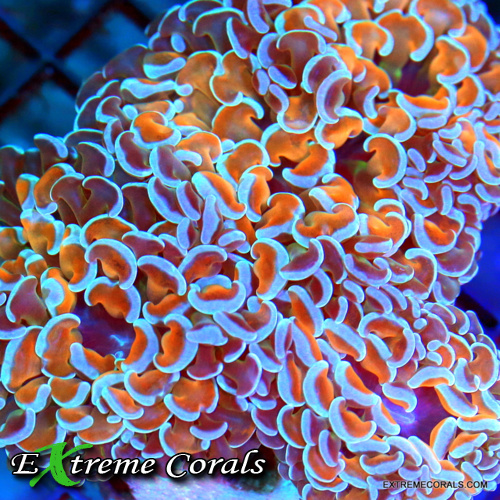
Explore the future of reefkeeping, including smart tank automation, coral aquaculture, reef lighting, flow control, nano reefs, aquascaping and better long-term coral survival.
Explore the future of reefkeeping with smart tank automation, coral aquaculture, reef lighting, nano reefs, aquascaping trends and sustainable coral care.
by Scott Shiles • May 14, 2026
Reef Tank Equipment, All Corals
Reefkeeping has changed dramatically over the years. What used to be a more difficult, trial-and-error side of the aquarium hobby has become more refined, more accessible, and in many ways more exciting than ever. Better equipment, stronger coral husbandry knowledge, more available aquacultured corals, and a deeper understanding of reef ecology have all made it possible for hobbyists to keep healthier, more stable reef tanks than earlier generations ever imagined.
The future of reefkeeping is not just about newer gadgets. The most important changes are happening where technology, sustainability, and real husbandry experience meet. Smart monitoring tools are making tanks easier to manage. Aquaculture is making the hobby more responsible and often more successful. Better lighting and flow control are helping hobbyists match coral needs more precisely.
That matters because the best future for reefkeeping is not one where people simply buy more equipment. It is one where hobbyists make fewer costly mistakes, keep corals alive longer, rely less on wild collection, and build reef tanks that are healthier, more sustainable, and more stable. If you are still building your foundation, our coral care guide, saltwater aquarium maintenance guide, and reef tank water parameters guide are strong companion reads before diving into the trends shaping the next stage of the hobby.
Why Reefkeeping Is Entering a New Era
For a long time, reefkeeping success depended heavily on patience, luck, and a willingness to learn through losses. That is still true to some extent because reef tanks are living systems and there is no substitute for experience. The difference now is that hobbyists have access to far more information, better equipment, and stronger coral-specific care knowledge.
Instead of guessing whether alkalinity drifted overnight or whether flow patterns are affecting coral health, more reef keepers can now catch problems earlier and correct them before coral damage becomes severe. That shift matters for beginner reef tanks, advanced SPS systems, and everything in between.
The average hobbyist is also more educated than ever. Reef keepers are now more likely to understand why water flow affects coral health, why reef lighting changes coral growth and color, and why stable chemistry matters more than constantly chasing perfect numbers. That knowledge shift is as important as any new product release.
Smart Monitoring and Automation Are Becoming Normal
One of the biggest long-term trends in reefkeeping is the move toward smarter monitoring and automation. Reef tanks have always rewarded consistency, and automation helps create that consistency. Auto top-off systems, dosing pumps, controller-based heaters, feeding systems, and integrated monitoring platforms are making it easier for hobbyists to avoid the daily swings that can stress corals.
The most useful part of automation is not convenience by itself. It is repeatability. A reef tank usually performs better when evaporation is replaced consistently, dosing happens on schedule, temperature stays stable, and maintenance does not depend entirely on the aquarist remembering every detail on time.
That is especially important in coral-heavy systems where unstable alkalinity, salinity, or temperature can cause damage quickly. As automation improves, more reef keepers are also using data to understand their systems instead of simply reacting to visible problems after the coral is already stressed.
AI and Data-Driven Reefkeeping
Artificial intelligence gets talked about constantly, and reefkeeping is no exception. In practical terms, AI in reefkeeping is most useful when it helps hobbyists interpret patterns, spot risk earlier, and make better decisions based on tank history.
The real value is not that a machine replaces reefkeeping skill. The value is that smarter systems may help hobbyists see problems sooner and respond more intelligently. Pattern-based monitoring can help identify when temperature drift is becoming a trend, when nutrient behavior is changing, or when dosing demand suggests stronger coral growth or declining uptake.
AI will not replace experienced observation. An experienced reef keeper still understands coral behavior, feeding response, compatibility, tissue condition, and placement in ways that sensors cannot fully replace. But when used correctly, smarter systems can make good reef keepers even better by helping them maintain more stable long-term conditions.
Sustainability and Coral Aquaculture Will Matter More Than Ever
One of the healthiest developments in reefkeeping is the continued growth of aquaculture and coral propagation. This trend matters for two major reasons. First, it can reduce pressure on wild reefs. Second, aquacultured corals are often better adapted to aquarium life than freshly imported wild specimens.
That can mean stronger survival, faster recovery after shipping, and better long-term performance in home systems. As the hobby matures, more reef keepers are beginning to appreciate that sustainability is not separate from success. In many cases, sustainably propagated corals are simply a smarter buy.
This shift also supports a stronger fragging and sharing culture. Hobbyists who grow, trade, and propagate corals help strengthen the hobby from the inside. If you are interested in propagation, our coral fragging guide is a practical place to start.
Lighting Technology Will Keep Improving, but Placement Still Matters Most
Lighting has improved enormously, and it will continue to evolve. Reef hobbyists now have much finer control over intensity, spectrum, ramping schedules, and overall tank presentation than they did in earlier eras. That gives people more flexibility, but it also creates a risk: more control can lead to more over-adjustment if the reef keeper does not understand what the corals actually need.
The future of reef lighting will likely keep moving toward more refined spectrum control, better spread, and better integration with tank monitoring. But the core lesson will stay the same. Good lighting is not just about buying a premium fixture. It is about matching the light to the coral, tank depth, water clarity, aquascape, and acclimation history.
That is especially important when keeping different coral groups together. Soft corals like pulsing Xenia and Discosoma mushrooms do not demand the same placement strategy as fleshy LPS corals like Acanthophyllia or Symphyllia Wilsoni. Better lighting technology helps, but it does not replace coral-specific placement decisions.
Flow Control Is Becoming More Sophisticated
Flow is another area where technology has improved dramatically. Modern pumps and controllers make it much easier to create varied, indirect, natural-looking movement instead of harsh directional flow that can stress coral tissue.
The future here is not just stronger pumps. It is smarter flow. More reef keepers are now thinking about randomization, dead spots, indirect current, coral-specific placement, and how water moves around the full aquascape.
This is especially important in mixed reefs where a coral like Pectinia may tolerate a different type of movement than a fleshy lower-reef coral like Trachyphyllia. Better flow control makes those differences easier to manage, but the reef keeper still needs to understand the biology behind the settings.
Nano Reef Tanks Will Keep Growing in Popularity
Nano reef tanks are becoming more appealing because equipment has improved enough to make small systems more realistic for more hobbyists. Smaller tanks still require discipline, and in some ways they can be less forgiving because instability happens faster. But modern ATO systems, compact lighting, small controllable pumps, better filtration options, and more accessible coral knowledge have made nano reefs more viable than they used to be.
Nano reefs lower the barrier to entry for many new hobbyists. Not everyone has room or budget for a large display tank. A well-designed nano system can introduce someone to coral husbandry in a manageable format. It can also be a great second tank for more advanced hobbyists who want a dedicated theme, such as a soft coral garden, a zoanthid display, or a small LPS showcase.
The caution is that nano reefs should not be mistaken for low-attention reefs. Smaller water volume means less room for mistakes. The technology is better, but the need for stability remains just as important.
Aquascaping Is Becoming More Natural and More Intentional
One of the most noticeable changes in modern reefkeeping is the move toward more open, naturalistic aquascapes. Instead of packing tanks wall-to-wall with rock, more hobbyists are building structures that allow better flow, more negative space, and more intentional coral zones.
That shift is not just aesthetic. It improves coral placement, coral growth, and overall tank health. Open aquascapes make it easier to plan coral aggression, light distribution, nutrient export, maintenance access, and future coral growth.
A more thoughtful reef can separate fast-spreading soft corals from slower-growing showpiece LPS, allowing both to shine without one becoming a problem for the other. This design mindset pairs well with everything else shaping the future of reefkeeping: smarter flow, better lighting, and more careful coral selection.
The Future Is Better Coral Survival, Not Just Better Gear
It is easy to get distracted by new devices, apps, and product launches, but the most meaningful future trend in reefkeeping is simple: better long-term coral survival. That means fewer losses during acclimation, better placement decisions, stronger aquaculture, more stable tanks, and hobbyists who understand why their corals are thriving instead of just copying settings from someone else.
That is where the hobby becomes more mature. Instead of reefkeeping being about chasing flashy equipment alone, it becomes about combining solid husbandry with useful tools. That is a much healthier path for both the hobbyist and the animals.
Where Coral Selection Is Heading
As reefkeeping continues to evolve, coral selection is becoming more intentional. Hobbyists are becoming more aware of compatibility, growth rate, aggression, lighting needs, flow tolerance, and long-term tank planning. That means fewer impulse purchases and more attention to how different corals actually live together over time.
Someone building a future-proof reef today may think carefully about whether they want fast-spreading soft corals like Xenia, lower-light textured corals like Discosoma, or premium fleshy LPS corals like Lobophyllia and Symphyllia. Better education is making those choices more strategic, and that is a good sign for the future of the hobby.
Common Mistakes Hobbyists Will Still Need to Avoid
Assuming Technology Replaces Husbandry
Automation helps, but it does not replace the need to understand coral behavior, water chemistry, flow, feeding, pest prevention, and placement.
Overcomplicating Stable Tanks
More tools can tempt hobbyists to constantly change settings. In many reef tanks, stability beats constant experimentation.
Buying Corals Without a Long-Term Plan
Even with better equipment, compatibility and growth planning still matter. Corals are not decorations. They are living animals with space, light, flow, feeding, and aggression requirements.
Focusing Too Much on Gear and Not Enough on Observation
Watching how corals actually respond remains one of the most valuable skills in reefkeeping. Polyp extension, tissue inflation, color, feeding response, and recession patterns often reveal problems before test kits tell the full story.
Ignoring Sustainability
The future of the hobby is stronger when hobbyists support aquaculture, healthy propagation, responsible sourcing, and better long-term coral survival.
Related Corals and Reef Topics You May Also Like
If you are interested in where reefkeeping is headed, these related articles can help you build a stronger foundation and make smarter long-term decisions:
- Coral Care Guide - Build a stronger foundation for coral placement, lighting, flow, and water quality.
- Saltwater Aquarium Maintenance Guide - Learn the maintenance habits that support reef tank stability.
- Reef Tank Water Parameters Guide - Strengthen your understanding of alkalinity, calcium, magnesium, nitrate, and phosphate.
- Reef Tank Lighting Guide - Understand PAR, spectrum, acclimation, and coral placement.
- Water Flow and Coral Health - Improve movement, waste removal, and coral expansion.
- Keeping LPS Corals Successfully - Review setup, feeding, and placement rules for LPS coral success.
- LPS vs SPS Corals - Compare major coral groups before building a mixed reef.
- New Arrival Corals - Browse recently added corals for your reef tank.
Shop Corals for the Next Generation of Reef Tanks
Ready to build a reef tank that is not just beautiful today, but stronger and more sustainable for the long run? The future of reefkeeping belongs to hobbyists who combine smart tools with sound husbandry, choose corals thoughtfully, and build systems designed for long-term coral success instead of short-term excitement.
Browse new arrival corals, featured corals, LPS corals, and SPS corals at ExtremeCorals.com to find healthy corals for a smarter, more successful reef tank.
Frequently Asked Questions About the Future of Reefkeeping
Will automation make reefkeeping easy?
Automation makes reefkeeping more consistent and often more manageable, but it does not eliminate the need for coral knowledge, observation, maintenance, and good husbandry.
Are aquacultured corals better than wild corals?
In many cases, aquacultured corals are hardier, more adaptable to aquarium life, and a more sustainable option for hobbyists. They are often better prepared for reef tank conditions than freshly imported wild specimens.
Are nano reef tanks becoming easier to keep?
Yes, equipment improvements have made nano reefs more accessible, but small tanks still require careful attention to salinity, temperature, nutrients, and water chemistry stability.
Will AI replace experienced reef keepers?
No. AI and smart monitoring can help identify patterns and improve consistency, but experienced observation and coral knowledge still matter enormously.
What is the most important future trend in reefkeeping?
The most important trend is the move toward healthier, more stable, more sustainable reef systems built around better long-term coral survival.
Will reef lighting keep improving?
Yes, reef lighting will likely keep improving through better spectrum control, spread, efficiency, and integration, but coral-specific placement and gradual acclimation will remain essential.
Why is aquaculture important for the future of reefkeeping?
Aquaculture supports sustainability, reduces pressure on wild reefs, strengthens captive coral availability, and often gives hobbyists corals that are better adapted to aquarium life.
What should new reef keepers focus on most?
New reef keepers should focus on stable water chemistry, good lighting and flow, patient stocking, coral compatibility, and choosing healthy corals suited to their tank conditions.
About the Author
Scott Shiles is the owner of ExtremeCorals.com, which he has operated for over 25 years and is recognized as one of the early dedicated live coral websites on the internet. A lifelong reef keeper since 1984, Scott has decades of hands-on experience maintaining marine aquariums and previously owned and operated a brick and mortar aquarium retail store for 10 years, including five years alongside Extreme Corals. He holds a degree in Marine Biology and has personally selected and sold hundreds of thousands of live corals. An avid scuba diver who has explored reef systems around the world, Scott shares practical coral care and husbandry knowledge based on real world reef experience.
overall rating:
my rating:
log in to rate
Please log in to leave a comment.
For more information visit: additional resources