My Cart: 0 item(s)

Extreme Corals News and Updates
Live Corals for Beginners: How to Choose, Acclimate and Care for Your First Coral Order
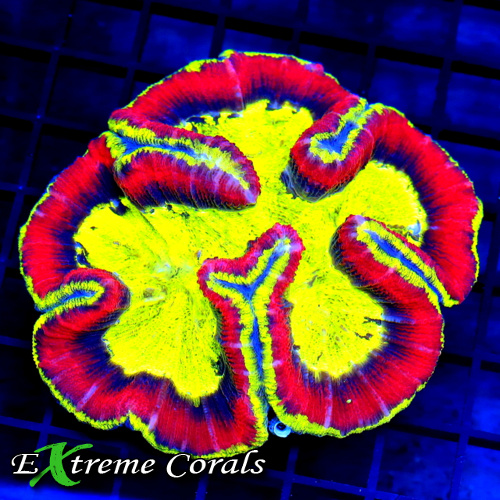
Learn how to order live corals online and add them to a reef tank safely, including coral types, shipping, unboxing, acclimation, placement, lighting, flow and water quality.
Learn how to choose, order, acclimate and care for live corals in a reef tank, including soft corals, LPS, SPS, shipping, lighting, flow and water quality.
by Scott Shiles • May 06, 2026
Live corals can turn a saltwater aquarium into a living reef, adding color, movement, texture, and natural behavior that fish-only systems cannot match. For new reef keepers, the first live coral order is exciting, but it also requires preparation. Corals are living animals, and the way you choose, receive, acclimate, place, and care for them has a major impact on long-term success.
The most successful first coral orders usually come from matching the coral to your tank, not just choosing the brightest piece online. Soft corals, LPS corals, and SPS corals all have different needs for lighting, flow, water chemistry, spacing, and stability. Choosing corals that fit your current setup helps reduce stress and improves survival.
At Extreme Corals, we have shipped and cared for live corals for decades, and we know that a smooth first coral experience starts before the box ever arrives. This guide explains how to choose live corals online, what to consider before ordering, how to unbox and acclimate new corals, and how to care for them after placement. For more detailed reef care help, review our coral care guide, coral quarantine guide, and coral placement guide.
Why Add Live Corals to a Saltwater Aquarium?
Live corals add more than decoration. They create a living reef environment with natural shapes, color, growth, feeding behavior, and movement. Over time, healthy corals can grow, spread, branch, split, encrust, or inflate, making the aquarium feel more natural and dynamic.
Benefits of keeping live corals include:
- Bright color and natural reef structure
- Movement from soft corals, Euphyllia, polyps, and flowing LPS corals
- More biodiversity in the aquarium
- A natural habitat feel for fish and invertebrates
- Growth and progression that can be tracked over time
- A more rewarding reef keeping experience
Live corals do require stable care, but they are also one of the main reasons people fall in love with reef aquariums.
Main Types of Live Corals
Before ordering your first corals, it helps to understand the main coral groups. Each group has different care requirements and works better in different areas of the reef tank.
Soft Corals
Soft corals are often more forgiving than many stony corals. They usually do not build a hard calcium carbonate skeleton like LPS or SPS corals, and many can adapt well to stable beginner reef tanks.
Examples may include:
- Leather corals
- Green Star Polyps
- Pulsing Xenia
- Mushroom corals
- Some beginner-friendly polyps
Soft corals can be excellent first corals, but some grow quickly. Place fast-spreading corals on isolated rocks if you want to control growth.
LPS Corals
Large polyp stony corals have hard skeletons and larger fleshy polyps. Many LPS corals are colorful, interesting to feed, and easier than high-demand SPS corals when kept in stable water.
Examples may include:
- Hammer Coral
- Frogspawn Coral
- Favia Coral
- Duncan Coral
- Trachyphyllia and other fleshy brain corals
Many LPS corals do best with moderate lighting, moderate indirect flow, and room from neighboring corals. Browse LPS corals with placement and spacing in mind.
SPS Corals
Small polyp stony corals usually have smaller polyps and more demanding requirements for lighting, flow, and water chemistry stability. Many SPS corals are best for reef keepers who already have a stable, mature system.
Examples may include:
- Acropora
- Montipora
- Birdsnest-style SPS corals
- Stylophora
- Pocillopora
SPS corals can be beautiful, but they are usually not the best first choice for a brand-new reef tank unless the hobbyist is prepared for tighter stability and stronger flow.
Choosing the Right Live Corals for Your Aquarium
The right coral depends on your tank size, lighting, flow, water stability, age of the aquarium, and experience level. A coral that thrives in one tank may struggle in another if the setup does not match its needs.
Before ordering, ask:
- Is my tank fully cycled and stable?
- Do I know my salinity, alkalinity, nitrate, and phosphate levels?
- Does my lighting match the coral’s needs?
- Does my tank have the right flow zone for this coral?
- Will this coral have room to grow or expand?
- Is this coral peaceful, aggressive, or fast spreading?
For a first coral order, it is usually smarter to start with hardy soft corals, Zoanthids, mushrooms, or forgiving LPS corals rather than jumping straight into delicate SPS or expensive showpiece pieces. You can browse new arrival corals and compare options that match your tank’s lighting and care level.
Ordering Live Corals Online: What to Consider
Ordering live corals online can be a great way to access a wider selection, but choosing the right seller matters. Look for clear photos, honest descriptions, healthy-looking coral tissue, and shipping policies designed for live animals.
Before ordering live corals online, check:
- The seller’s reputation and customer reviews
- Clear photos of the coral being sold
- Accurate coral descriptions
- Shipping methods and delivery timing
- Arrival guarantee or policy details
- Weather conditions during shipping
- Your own availability to receive the shipment immediately
Review the shipping and return policy before placing your order so you know what to expect and what to do if there is an issue.
Prepare Your Tank Before the Coral Arrives
Do not wait until the box arrives to prepare your aquarium. Live corals ship best when they can be unpacked, inspected, acclimated, and placed without delays.
Before delivery day, make sure you have:
- Stable tank temperature and salinity
- Tested alkalinity, nitrate, and phosphate
- Clean space for acclimation
- A coral dip if you plan to dip new arrivals
- A quarantine tank or observation area when possible
- Coral glue or mounting supplies
- A planned placement zone for each coral
If your reef tank has unstable salinity, recent ammonia issues, a major algae outbreak, or large parameter swings, wait before ordering corals. Healthy livestock still needs a stable environment.
Best Water Parameters for Live Corals
Different corals have different preferences, but most reef aquarium corals need stable saltwater conditions. Stability is more important than chasing one exact number every day.
| Parameter | Recommended Range |
|---|---|
| Temperature | 76-80°F for most reef corals |
| Salinity | 1.024-1.026 specific gravity |
| pH | 8.1-8.4 |
| Alkalinity | 8-10 dKH |
| Calcium | 400-450 ppm |
| Magnesium | 1250-1350 ppm |
| Nitrate | 2-10 ppm |
| Phosphate | 0.03-0.07 ppm |
Soft corals and many LPS corals can tolerate a little more nutrient variation than demanding SPS systems, but all corals do better when changes happen slowly. For a deeper chemistry breakdown, review our reef tank water parameters guide.
Unboxing Your First Live Coral Order
When your coral shipment arrives, open it promptly and handle everything carefully. Corals may look partially closed, smaller, or less colorful than online photos at first because shipping is stressful and lighting conditions are different.
Unboxing steps:
- Keep the box upright and open it carefully.
- Inspect bags or containers for leaks.
- Check each coral for visible damage or severe tissue loss.
- Do not expose corals to air longer than necessary.
- Take photos immediately if there is a shipping issue.
- Begin acclimation without unnecessary delays.
Some corals may take hours or days to fully open after shipping. Do not judge every coral by how it looks in the first few minutes.
How to Acclimate Live Corals
Acclimation helps new corals adjust to your aquarium’s temperature, salinity, and water chemistry. The goal is to reduce shock while keeping the process clean and efficient.
A simple acclimation process may include:
- Temperature acclimation: Float the sealed bag or container for about 15-20 minutes.
- Water acclimation: Add small amounts of tank water gradually if salinity differs.
- Inspection: Check tissue, plug, skeleton, and base for pests or damage.
- Dip when appropriate: Use coral dips only according to product directions.
- Rinse: Use clean saltwater after dipping before placing the coral.
- Placement: Start in an appropriate light and flow zone.
Avoid long, messy acclimation if the coral is sitting in poor shipping water. Match temperature first, compare salinity, and use good judgment based on the coral’s condition. For pest prevention details, review our coral quarantine guide.
Should You Quarantine New Live Corals?
Quarantine is one of the best ways to protect an established reef tank. New corals can carry pests, eggs, nuisance algae, or tissue problems even when they look healthy.
A coral quarantine setup allows you to:
- Observe new corals before display placement
- Watch for pests that appear later
- Inspect plugs and skeleton edges more carefully
- Dip or treat corals outside the display
- Protect mature coral colonies from preventable problems
Quarantine is especially useful for high-value corals, Zoanthids, SPS corals, and any display tank where pests would be difficult to remove later.
Lighting Requirements for Live Corals
Live corals need lighting that matches their biology. Photosynthetic corals rely on symbiotic algae called zooxanthellae, which use light to help produce energy for the coral. But more light is not always better.
General lighting guidelines:
- Soft corals: Usually low to moderate lighting, depending on the species.
- LPS corals: Often moderate lighting, with fleshy corals usually lower.
- SPS corals: Often stronger lighting after acclimation.
New corals should be light acclimated, especially if your lights are strong. A coral moved suddenly into high PAR can bleach or retract even if it looked healthy on arrival. Our reef tank lighting guide explains PAR, spectrum, and light acclimation in more detail.
Water Flow Requirements for Live Corals
Water flow delivers oxygen, nutrients, and dissolved materials while removing waste and mucus from coral tissue. The right flow depends on the coral type.
General flow guidelines:
- Soft corals: Gentle to moderate movement.
- LPS corals: Moderate indirect flow for many species; gentle flow for fleshy sandbed corals.
- SPS corals: Stronger indirect, turbulent flow.
Avoid direct powerhead blasting. Strong narrow flow can tear fleshy tissue, keep polyps closed, and cause recession. For more detail, read our water flow and coral health guide.
Placing New Live Corals in the Reef Tank
Coral placement should be based on lighting, flow, aggression, and future growth. Do not place every new coral wherever there is empty rock. Choose a zone that matches the coral’s needs.
Placement reminders:
- Start new corals in slightly lower light if unsure.
- Keep fleshy LPS corals away from sharp rock and direct flow.
- Leave room for LPS sweeper tentacles and full expansion.
- Use isolated rocks for fast-spreading soft corals.
- Place SPS corals where they get stronger indirect flow and proper light.
- Do not glue permanently until you are confident the coral likes the location.
For a full placement strategy, review our coral placement guide.
Common Challenges With First Live Corals
Many first coral problems come from acclimation stress, unstable water, excessive light, direct flow, poor placement, pests, or unrealistic expectations. New corals may need time to open fully after shipping.
Corals Staying Closed
Temporary retraction after shipping, dipping, or handling is common. If a coral stays closed for days, check flow, lighting, salinity, alkalinity, pests, and nearby coral aggression.
Bleaching or Fading
Bleaching may come from excessive light, heat, low nutrients, or sudden parameter swings. Reduce light gradually if the coral appears light-stressed.
Tissue Recession
Tissue recession may be caused by alkalinity swings, poor placement, direct flow, coral stings, pests, bacterial issues, or shipping damage.
Algae Around Coral Plugs
Algae can grow on plugs or exposed skeleton if nutrients are high or flow is weak. Remove nuisance algae carefully before it irritates living tissue.
Pests or Hitchhikers
Flatworms, nudibranchs, pest snails, Aiptasia, and other hitchhikers can arrive on coral plugs or skeletons. Inspect every coral carefully and use quarantine when possible. Our coral pests and predators guide can help you identify warning signs.
Beginner-Friendly Coral Choices
For a first live coral order, choose corals that match your tank’s current stability and your experience level. Easier corals still need proper care, but they are usually more forgiving than high-demand SPS or delicate showpiece LPS corals.
Good beginner coral options may include:
- Zoanthids
- Mushroom corals
- Ricordea mushrooms
- Green Star Polyps on isolated rock
- Some leather corals
- Duncan Coral
- Some hardy LPS corals in stable tanks
Browse Zoanthids, Ricordea mushrooms, and soft corals if you want colorful options that are often better suited to newer reef tanks.
Long-Term Live Coral Care
Once corals are in the tank, long-term success depends on consistency. Corals usually respond better to stable care than constant adjustments.
Good long-term coral habits include:
- Test alkalinity, salinity, nitrate, and phosphate regularly.
- Keep temperature and salinity stable.
- Feed fish and corals carefully without overfeeding.
- Perform regular water changes.
- Clean pumps so flow stays consistent.
- Watch coral extension, color, tissue, and growth.
- Reassess spacing as corals grow.
Healthy corals should gradually show better extension, stable color, and signs of growth after they settle. Some corals open quickly, while others need more time.
Related Corals and Reef Tank Topics You May Also Like
If you are ordering live corals or adding your first corals to a reef tank, these related guides and categories can help:
- Coral Care Guide - Start with the basics of coral care, placement, lighting, and water quality.
- Coral Quarantine Guide - Protect your display before adding new corals.
- Coral Placement Guide - Place corals based on light, flow, aggression, and growth.
- Reef Tank Lighting Guide - Understand PAR, spectrum, and light acclimation.
- Water Flow and Coral Health - Learn how flow affects coral extension and growth.
- Best Beginner Corals - Choose forgiving corals for a new reef tank.
- New Arrival Corals - Browse recently added WYSIWYG corals.
- Scott's Handpicked Corals - Explore standout corals selected for color and quality.
Shop Live Corals Online With Confidence
Ordering live corals online can be a great way to build a colorful reef tank when you choose healthy corals, prepare your aquarium, acclimate carefully, and place each coral according to its needs. Start with corals that match your lighting, flow, water stability, and experience level, then build slowly as your reef matures.
Browse new arrival corals, LPS corals, SPS corals, soft corals, Zoanthids, and Ricordea mushrooms at ExtremeCorals.com to find healthy live corals for your reef aquarium.
Frequently Asked Questions About Live Corals
Are live corals hard to keep?
Some live corals are easier than others. Soft corals, mushrooms, Zoanthids, and some hardy LPS corals are often better for beginners, while many SPS corals need more stable conditions.
What are the best first corals for beginners?
Good first coral choices often include Zoanthids, mushroom corals, Ricordea, Green Star Polyps on isolated rock, some leather corals, Duncan Coral, and hardy LPS corals in stable tanks.
How do I acclimate live corals?
Temperature acclimate first, compare salinity, inspect the coral, dip when appropriate, rinse in clean saltwater, and place the coral in a suitable light and flow zone.
Should I quarantine live corals?
Yes, quarantine is a smart practice because new corals can carry pests, eggs, nuisance algae, or tissue issues even when they look healthy.
Do live corals need special lighting?
Yes, most photosynthetic corals need reef-appropriate lighting. Soft corals, LPS corals, and SPS corals all have different light intensity needs.
How much flow do live corals need?
Flow depends on the coral. Soft corals often prefer gentle to moderate movement, LPS corals often need moderate indirect flow, and SPS corals often need stronger indirect flow.
Why do corals look different after shipping?
Shipping stress, retraction, lighting differences, and water changes can make corals look different at first. Many corals need time to reopen and adjust after arrival.
Can I add live corals to a new tank?
Only add live corals after the tank is cycled and stable. Salinity, temperature, alkalinity, nitrate, phosphate, lighting, and flow should be appropriate before adding corals.
About the Author
Scott Shiles is the owner of ExtremeCorals.com, which he has operated for over 25 years and is recognized as one of the early dedicated live coral websites on the internet. A lifelong reef keeper since 1984, Scott has decades of hands-on experience maintaining marine aquariums and previously owned and operated a brick and mortar aquarium retail store for 10 years, including five years alongside Extreme Corals. He holds a degree in Marine Biology and has personally selected and sold hundreds of thousands of live corals. An avid scuba diver who has explored reef systems around the world, Scott shares practical coral care and husbandry knowledge based on real world reef experience.
overall rating:
my rating:
log in to rate
-8 Comments
Please log in to leave a comment.
For more information visit: additional resources