My Cart: 0 item(s)

Extreme Corals News and Updates
Reef Safe Fish Guide: Best Fish for Coral Reef Aquariums and How to Add Them Safely
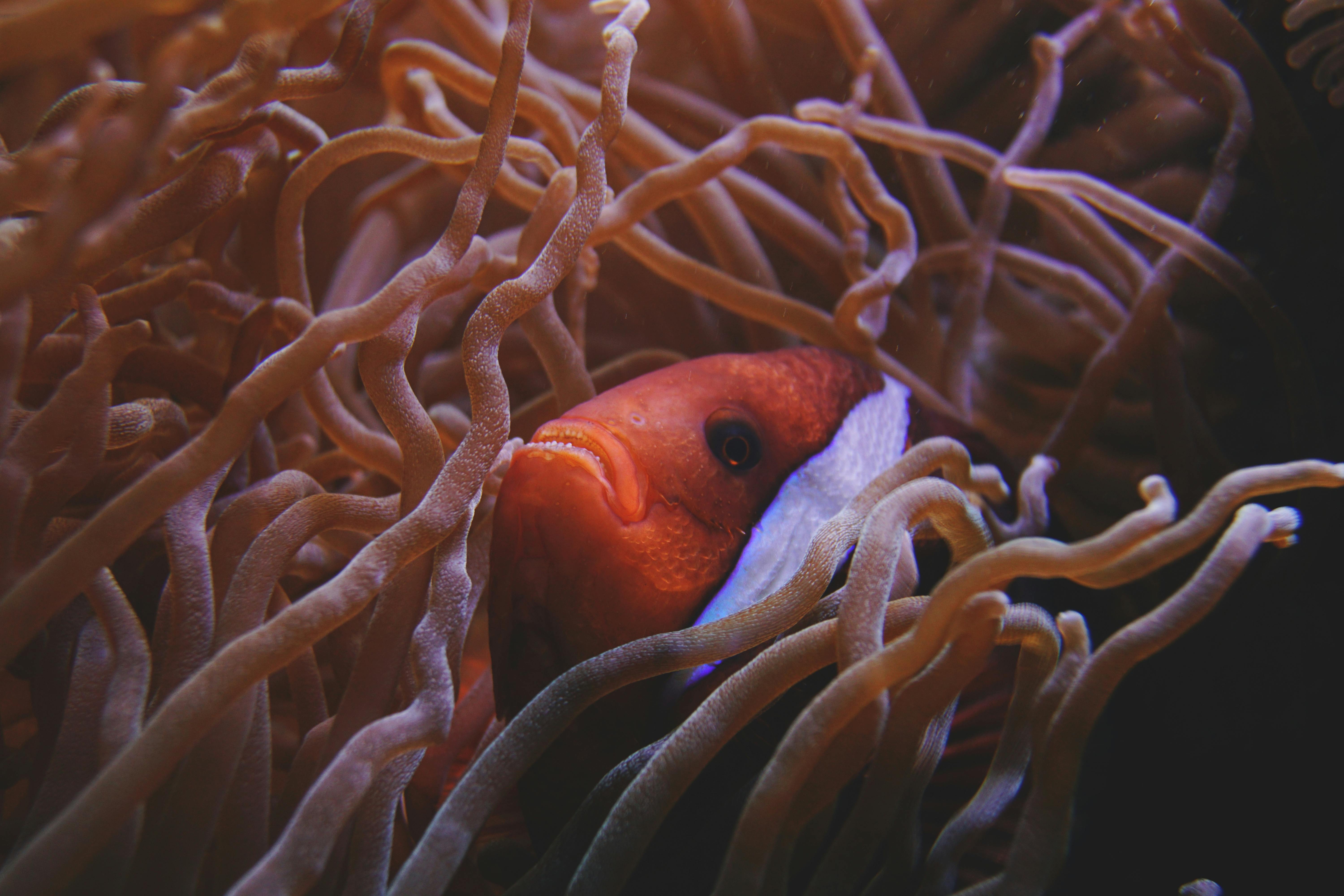
A comprehensive Extreme Corals guide to reef safe fish, including beginner fish, gobies, blennies, clownfish, wrasses, tangs, fish compatibility, quarantine, coral safety, and how to introduce fish to a reef tank.
Learn how to choose reef safe fish for coral reef aquariums, including beginner fish, gobies, blennies, clownfish, wrasses, tangs, compatibility, quarantine and coral safety.
by Scott Shiles • May 06, 2026
Reef safe fish can bring movement, personality, color, and balance to a coral reef aquarium, but choosing the wrong fish can damage corals, stress tank mates, eat invertebrates, or disrupt the entire reef system. A fish may look beautiful in a store or online photo, but that does not automatically mean it belongs in a reef tank. The best reef safe fish are selected based on behavior, adult size, diet, temperament, swimming space, compatibility with corals, and how they fit into the aquarium you actually have.
Here at Extreme Corals, we have worked with reef aquariums and live corals for decades, and in our experience, fish selection plays a major role in coral success. A reef tank is not just a fish tank with corals added. It is a living community where fish, corals, shrimp, snails, crabs, bacteria, live rock, flow, lighting, and nutrients all interact. The right reef safe fish can help the tank feel active and balanced. The wrong fish can nip coral tissue, harass peaceful species, stir up stress, eat cleanup crew animals, or make maintenance harder.
This complete reef safe fish guide explains what reef safe really means, how to choose fish for a coral reef tank, which fish groups are often safer choices, which species need caution, how fish affect corals, how to introduce new fish, why quarantine matters, how to avoid aggression, and how to build a peaceful reef aquarium around healthy corals. If you are building a reef tank, start with our coral care guide, review our live coral care guide, and browse our new arrival corals with fish compatibility in mind.
What Does Reef Safe Fish Mean?
A reef safe fish is generally a fish that can live in a reef aquarium without eating corals, constantly picking at coral tissue, destroying invertebrates, or causing major aggression problems. However, reef safe does not always mean completely harmless. It means the fish is usually considered compatible with reef aquariums when the right species, tank size, diet, and tank mates are chosen.
Reef safe fish should usually be safe with:
- Most live corals
- Common cleanup crew snails
- Many reef-safe shrimp and crabs
- Peaceful community fish
- Stable reef tank environments
The word “reef safe” should still be used carefully. Some fish are reef safe with corals but may eat shrimp. Some are safe when well fed but may nip fleshy LPS corals if hungry. Some are peaceful as juveniles but become territorial as adults. Some are safe in large tanks but aggressive in small tanks. That is why research matters before every purchase.
Why Fish Choice Matters in a Coral Reef Tank
Fish affect a reef tank in several ways. They add color and movement, but they also produce waste, compete for food, interact with corals, and influence the behavior of other fish. A good fish selection can make the reef feel natural and active. A poor selection can create stress that affects both fish and corals.
Choosing reef safe fish carefully helps prevent:
- Coral nipping
- Polyp retraction from constant irritation
- Fish aggression and bullying
- Overcrowding
- Excess nutrients from heavy feeding
- Loss of shrimp, snails, or small invertebrates
- Territorial problems as fish mature
- Stress-related disease outbreaks
In our experience, reef keepers often focus heavily on coral lighting and water chemistry but underestimate fish behavior. A coral can have perfect water and still stay closed if a fish is constantly nipping it or hovering over it.
Best Qualities of Reef Safe Fish
The best reef safe fish are not just beautiful. They fit the tank. A fish that works perfectly in a 180-gallon reef may be a bad choice for a 30-gallon aquarium. A fish that is peaceful in one system may become aggressive if the tank is crowded or lacks hiding places.
Good reef safe fish usually have these qualities:
- Peaceful or manageable temperament
- Low risk of coral nipping
- Appropriate adult size for the aquarium
- Diet that can be supported long term
- Compatibility with existing fish
- Ability to adapt to prepared foods
- Low risk to desired shrimp, snails, and invertebrates
- Behavior that does not constantly disturb corals
The right fish should make the reef tank better, not more stressful. When in doubt, choose peaceful, smaller, proven reef-compatible species before risky showpiece fish.
Best Reef Safe Fish for Beginners
Beginner reef keepers usually do best with hardy, peaceful fish that adapt well to aquarium life and do not require specialized feeding. The goal is to build a stable fish community without overwhelming the tank or creating aggression problems.
Beginner-friendly reef safe fish often include:
- Ocellaris Clownfish
- Percula Clownfish
- Firefish
- Yellow Watchman Gobies
- Clown Gobies with caution around small SPS colonies
- Tailspot Blennies
- Royal Grammas
- Banggai Cardinalfish
- Pajama Cardinalfish
- Some peaceful wrasses in covered aquariums
These fish are popular because they are generally manageable, attractive, and better suited for community reef aquariums than many aggressive or specialized species. Even with beginner-friendly fish, tank size and compatibility still matter.
Small Reef Safe Fish for Nano Reef Tanks
Nano reef tanks need extra care with fish selection because small water volume magnifies every problem. Fish waste builds up faster, aggression has fewer escape routes, and adult size becomes more important. A fish that seems small in a store can become too active or territorial for a nano tank.
Good nano reef fish candidates may include:
- Small gobies
- Firefish in covered tanks
- Tailspot Blennies in appropriate systems
- Single clownfish or a small clownfish pair depending on tank size
- Small cardinalfish in suitable tanks
- Peaceful shrimp goby pairings in sandbed tanks
Nano reef fish should be selected conservatively. A small reef tank with fewer fish and healthier corals usually looks better than a crowded tank with stressed fish and unstable nutrients.
Gobies in Reef Aquariums
Gobies are some of the most useful reef safe fish because many stay small, have interesting behavior, and fit well into peaceful reef tanks. Some live on the sandbed, some perch on rockwork, and some form relationships with pistol shrimp.
Popular reef gobies include:
- Yellow Watchman Gobies
- Diamond Gobies with caution in established sandbeds
- Neon Gobies
- Clown Gobies
- Yasha Gobies
- Hi Fin Red Banded Gobies
Most gobies are coral safe, but behavior still matters. Sand-sifting gobies may cover low corals with sand. Clown Gobies may perch in SPS branches and can irritate small Acropora colonies. Research the exact species before adding one.
Blennies in Reef Tanks
Blennies are popular reef fish because they have personality, perch on rockwork, and many help graze film algae. Some blennies are excellent reef tank additions, but not every blenny behaves the same way.
Common reef-compatible blennies include:
- Tailspot Blennies
- Lawnmower Blennies
- Midas Blennies
- Starry Blennies
Lawnmower and Starry Blennies can be helpful algae grazers, but they still need enough food once algae becomes limited. Some individuals may occasionally nip at coral surfaces, especially if underfed. Midas Blennies are more open-water swimmers and may be better for larger peaceful systems.
Clownfish in Reef Tanks
Clownfish are among the most popular reef safe fish because they are hardy, colorful, and full of personality. Ocellaris and Percula Clownfish are common choices for reef aquariums and are generally safe with corals.
Clownfish can still create issues if they decide to host in a coral instead of an anemone. Some clownfish will rub against Torch Corals, Hammer Corals, Frogspawn Corals, leather corals, mushrooms, or other fleshy corals. Sometimes the coral tolerates it. Other times the coral stays closed or becomes irritated.
When keeping clownfish in a reef tank:
- Watch whether they irritate corals.
- Be careful with aggressive pairs in small tanks.
- Avoid mixing multiple clownfish pairs in smaller systems.
- Provide stable tank conditions and good feeding.
Clownfish are reef safe, but their hosting behavior should be monitored.
Wrasses for Reef Tanks
Many wrasses can be excellent reef fish, adding color, movement, and sometimes pest control benefits. However, wrasses vary widely in size, temperament, jumping risk, and invertebrate safety.
Common reef-compatible wrasse groups include:
- Fairy Wrasses
- Flasher Wrasses
- Some Halichoeres Wrasses
- Possum Wrasses
- Pink-Streaked Wrasses
Wrasses often need covered aquariums because many are jumpers. Some wrasses may eat small flatworms, pyramid snails, or other pests, but they may also eat tiny ornamental invertebrates depending on the species. Larger or more aggressive wrasses are not ideal for peaceful reef communities.
Tangs in Reef Aquariums
Tangs are popular reef fish because they graze algae and add constant movement. Many tangs are generally reef safe with corals, but they need large aquariums, strong filtration, and careful compatibility planning. A tang that is cramped or stressed can become aggressive or unhealthy.
Common reef tangs include:
- Yellow Tangs
- Kole Tangs
- Tomini Tangs
- Blue Hippo Tangs
- Powder Blue Tangs with advanced care
- Achilles Tangs with advanced care
Tangs should be chosen based on adult size and swimming room, not juvenile size at purchase. Many tangs grow large and require tanks far bigger than beginners expect. They can be excellent algae grazers, but they are not a substitute for nutrient control, good flow, and regular maintenance.
Cardinalfish, Firefish and Royal Grammas
Cardinalfish, Firefish, and Royal Grammas can be excellent peaceful reef fish when kept properly. They add visual interest without the high activity level or aggression of many larger species.
These fish are often popular because they offer:
- Good reef compatibility
- Manageable size
- Interesting behavior
- Lower coral-nipping risk
- Strong options for peaceful community tanks
Firefish need covered tanks because they can jump. Royal Grammas may defend a cave or territory but are usually manageable in appropriately sized aquariums. Cardinalfish are usually peaceful, although multiple males may not always tolerate each other long term in smaller tanks.
Fish to Use With Caution in Reef Tanks
Some fish are described as “reef safe with caution.” These fish may be fine in some reef tanks but risky in others. Their behavior can depend on individual personality, diet, tank size, coral types, and how well they are fed.
Fish often kept with caution include:
- Dwarf Angelfish
- Large Angelfish
- Butterflyfish
- Some filefish
- Some puffers
- Some wrasses
- Some hawkfish around shrimp
- Triggers, depending heavily on species
These fish may nip LPS corals, SPS polyps, Zoanthids, clams, or fleshy coral tissue. Some may eat shrimp, snails, worms, or small fish. If your reef tank is built around expensive corals, think carefully before adding a caution-category fish.
Fish That May Nip Corals
Coral nipping is one of the most frustrating fish problems in reef aquariums. A fish may not eat the coral completely, but repeated picking can keep corals closed, cause tissue recession, or prevent growth.
Fish that may nip corals include:
- Some dwarf angelfish
- Many large angelfish
- Some butterflyfish
- Some filefish
- Some tangs that scrape near coral tissue
- Some clown gobies in SPS colonies
- Individual fish from normally safe groups
If a coral suddenly stays closed after a new fish is added, observe carefully. Fish nipping often happens quickly and repeatedly throughout the day, especially when the reef keeper is not standing close to the tank.
Fish Compatibility With Corals
Fish compatibility is not only about whether the fish eats coral. Some fish irritate corals by perching, digging, moving sand, hosting, or swimming through tissue constantly. A fish can be technically reef safe but still annoy certain corals.
Examples of compatibility issues include:
- Clownfish hosting in fleshy LPS corals
- Sand gobies covering low corals with sand
- Hawkfish perching on fleshy coral tissue
- Large fish knocking over unsecured frags
- Gobies sitting in small SPS colonies
- Overactive fish stressing shy species
Coral placement can help reduce problems. Keep sand-sensitive corals away from digging fish. Secure frags well. Give fleshy LPS corals enough space from fish territories. Our coral placement guide can help you plan better zones.
Fish Compatibility With Shrimp, Snails and Cleanup Crew
Many reef keepers care about more than coral safety. They also want fish that are safe with shrimp, snails, crabs, feather dusters, clams, and other invertebrates. A fish may leave corals alone but still eat ornamental shrimp or cleanup crew members.
Use caution with:
- Hawkfish around small shrimp
- Large wrasses around small invertebrates
- Puffers around snails, crabs, and shrimp
- Triggers around many invertebrates
- Some butterflyfish around feather dusters or clams
- Some angelfish around clams and fleshy corals
Before buying fish, decide which invertebrates matter to you. A fish that is acceptable in one reef tank may be a bad choice in a tank with prized shrimp, clams, or delicate cleanup crew animals.
How Many Fish Can You Keep in a Reef Tank?
Stocking level depends on tank size, filtration, oxygen exchange, fish behavior, feeding, swimming space, and coral goals. Overcrowding can cause aggression, disease, low oxygen, high nutrients, and poor coral health. A reef tank should be stocked with long-term adult size in mind.
When planning fish stocking, consider:
- Adult size, not purchase size
- Swimming needs
- Territorial behavior
- Food requirements
- Nutrient production
- Compatibility with existing fish
- Coral and invertebrate safety
A lightly stocked reef with peaceful fish and healthy corals is usually more impressive than a crowded tank full of stress. Fish should support the reef, not overload it.
How Fish Affect Nutrients in a Reef Tank
Fish feeding and fish waste are major nutrient sources in reef aquariums. This can be good or bad depending on balance. Corals need nutrients, and fish waste can help feed the reef indirectly. But too many fish or too much feeding can raise nitrate and phosphate, fuel algae, and reduce coral health.
Fish affect nutrients through:
- Food added to the tank
- Waste production
- Uneaten food
- Detritus accumulation
- Increased filtration demand
In our experience, the best reef tanks usually have enough fish to support biological activity and coral nutrition, but not so many that nutrients become unstable. Read our nitrates in reef tanks guide and our reef tank water testing guide for more help with nutrient balance.
Quarantine New Reef Safe Fish
Even reef safe fish can bring disease, parasites, or stress into a display aquarium. Quarantine is one of the best ways to protect established fish and corals. A fish that looks healthy at purchase may still carry parasites or develop symptoms after shipping and stress.
Quarantine helps you:
- Observe new fish before they enter the display
- Watch for disease symptoms
- Get the fish eating prepared foods
- Reduce parasite risk
- Prevent sudden disease outbreaks in the main aquarium
- Give shy fish a calmer transition
A quarantine period also gives you time to evaluate behavior and feeding response. For coral-specific quarantine, read our coral quarantine guide.
How to Introduce New Fish to a Reef Aquarium
Introducing fish properly reduces stress and aggression. A new fish is entering an established territory, so the first few hours and days matter.
Good introduction practices include:
- Quarantine fish before display introduction when possible.
- Match temperature and salinity carefully.
- Introduce peaceful fish before more aggressive fish when planning a new tank.
- Add fish with lights dimmed when appropriate.
- Use an acclimation box for higher-risk introductions.
- Provide hiding places and rockwork breaks.
- Observe aggression closely after release.
If an established fish immediately attacks the newcomer, an acclimation box or temporary rearrangement of rockwork may help. Severe aggression should not be ignored.
Signs a Fish Is Not Working in a Reef Tank
Sometimes a fish that seemed like a good choice does not work out. The problem may be aggression, coral nipping, invertebrate predation, stress, or feeding difficulty.
Warning signs include:
- Corals staying closed after the fish was added
- Visible nipping at coral tissue or polyps
- Shrimp or snails disappearing unexpectedly
- Constant chasing or bullying
- One fish hiding and not eating
- Damaged fins from aggression
- Fish digging, spitting sand, or covering corals
- High nutrients from feeding demands
If a fish is damaging corals or terrorizing the tank, removal may be necessary. It is better to correct the problem early than to let the entire reef suffer.
Best Order to Add Reef Safe Fish
The order fish are added can affect aggression. In general, peaceful fish should be added before territorial or more assertive fish. Similar-shaped fish, fish that occupy the same cave zones, or fish from the same family may be more likely to compete.
A practical stocking approach is:
- Add peaceful small fish first.
- Add shy fish before bold territorial fish.
- Add pairs carefully and avoid multiple competing pairs in small tanks.
- Add tangs and assertive fish later in larger tanks.
- Avoid adding too many fish at once.
- Observe the tank after each addition before adding more.
Patience creates a calmer reef community. Adding too many fish too fast can cause stress, aggression, and nutrient spikes.
Creating a Reef Safe Fish Community
A strong reef fish community is built around compatibility, not impulse. The best fish list considers swimming levels, hiding places, aggression, diet, and how each fish supports the overall reef.
A balanced reef fish community may include:
- A peaceful centerpiece fish for personality
- Small gobies or blennies for rockwork behavior
- Cardinalfish or Firefish for peaceful open-water movement
- Wrasses for color and activity in covered tanks
- Algae grazers in tanks large enough to support them
- No fish that threaten the coral collection
The goal is not to own every fish you like. The goal is to create a reef tank where fish and corals thrive together.
Our Practical Reef Safe Fish Advice at Extreme Corals
At Extreme Corals, our practical advice is simple: choose fish for the reef tank you have, not the reef tank you wish you had. A beautiful fish is not a good choice if it outgrows the aquarium, attacks tank mates, eats shrimp, or nips your best corals.
Our reef safe fish rules are:
- Research the exact species before buying.
- Choose peaceful fish first when building a community.
- Plan around adult size.
- Use quarantine when possible.
- Do not trust the label “reef safe” without reading more.
- Watch coral behavior after new fish are added.
- Keep fish stocking matched to filtration and nutrient control.
- Avoid risky fish if the tank is full of expensive corals.
Reef safe fish should add life to the aquarium without compromising coral health. When chosen well, fish and corals make the reef tank more complete.
Related Reef Tank Fish and Coral Care Guides
If you are planning fish for a coral reef aquarium, these related guides and coral categories can help:
- Examples of Fish to Put in a Coral Reef Tank - Compare reef fish options for coral aquariums.
- Live Coral Care Guide - Learn how fish choices fit into coral care.
- Reef Tank Water Testing Guide - Keep water stable for fish and corals.
- Nitrates in Reef Tanks - Understand how fish feeding affects coral nutrients.
- Coral Placement Guide - Place corals safely around fish behavior.
- Coral Quarantine Guide - Protect your reef from pests and disease.
- New Arrival Corals - Browse healthy corals for reef aquariums.
- Scott's Handpicked Corals - See standout corals selected for color and quality.
Shop Corals for a Reef Safe Aquarium
Reef safe fish are only one part of a successful coral reef aquarium. The best reef tanks combine compatible fish, healthy live corals, stable water, proper lighting, good flow, smart placement, and patient maintenance. When fish and corals are chosen to work together, the tank becomes more natural, more active, and more enjoyable to maintain.
Browse new arrival corals, new coral frags, new coral colonies, LPS corals, SPS corals, soft corals, Zoanthids, and Scott's Handpicked Corals at ExtremeCorals.com to build a reef tank around healthy, colorful corals.
Frequently Asked Questions About Reef Safe Fish
What does reef safe fish mean?
A reef safe fish is generally a fish that can live in a coral reef aquarium without eating corals, constantly nipping coral tissue, destroying invertebrates, or causing major aggression problems.
Are all reef safe fish completely safe?
No, reef safe does not always mean risk-free. Some fish are reef safe with corals but may eat shrimp, nip certain coral types, or become aggressive in small tanks.
What are good beginner reef safe fish?
Good beginner reef safe fish often include Ocellaris Clownfish, Percula Clownfish, Firefish, Yellow Watchman Gobies, Tailspot Blennies, Royal Grammas, and Cardinalfish in appropriate tank sizes.
Can clownfish bother corals?
Yes, clownfish can irritate corals if they try to host in them. Some corals tolerate the behavior, while others may stay closed or become stressed.
Are tangs reef safe?
Many tangs are generally reef safe with corals, but they need large aquariums, strong filtration, and enough swimming space. They should be chosen based on adult size.
Are dwarf angelfish reef safe?
Dwarf angelfish are usually considered reef safe with caution. Some individuals behave well, while others may nip LPS corals, SPS polyps, Zoanthids, clams, or fleshy coral tissue.
Should I quarantine reef safe fish?
Yes, quarantine is strongly recommended because reef safe fish can still carry disease or parasites into the display aquarium.
How do I introduce new fish to a reef tank?
Introduce new fish slowly, match temperature and salinity, use quarantine when possible, provide hiding places, consider an acclimation box, and watch for aggression after release.
Can too many fish hurt corals?
Yes, too many fish can increase nitrate, phosphate, aggression, oxygen demand, and overall stress. Overcrowding can make coral care harder.
What should I do if a fish nips corals?
If a fish repeatedly nips corals, observe carefully, rule out hunger or stress, and consider removing the fish if it continues damaging coral tissue or keeping corals closed.
About the Author
Scott Shiles is the owner of ExtremeCorals.com, which he has operated for over 25 years and is recognized as one of the early dedicated live coral websites on the internet. A lifelong reef keeper since 1984, Scott has decades of hands-on experience maintaining marine aquariums and previously owned and operated a brick and mortar aquarium retail store for 10 years, including five years alongside Extreme Corals. He holds a degree in Marine Biology and has personally selected and sold hundreds of thousands of live corals. An avid scuba diver who has explored reef systems around the world, Scott shares practical coral care and husbandry knowledge based on real world reef experience.
overall rating:
my rating:
log in to rate
Please log in to leave a comment.
For more information visit: additional resources