My Cart: 0 item(s)

Extreme Corals News and Updates
Hammer Coral Care and Growth Guide for Reef Tanks: Placement, Feeding and Buying Tips
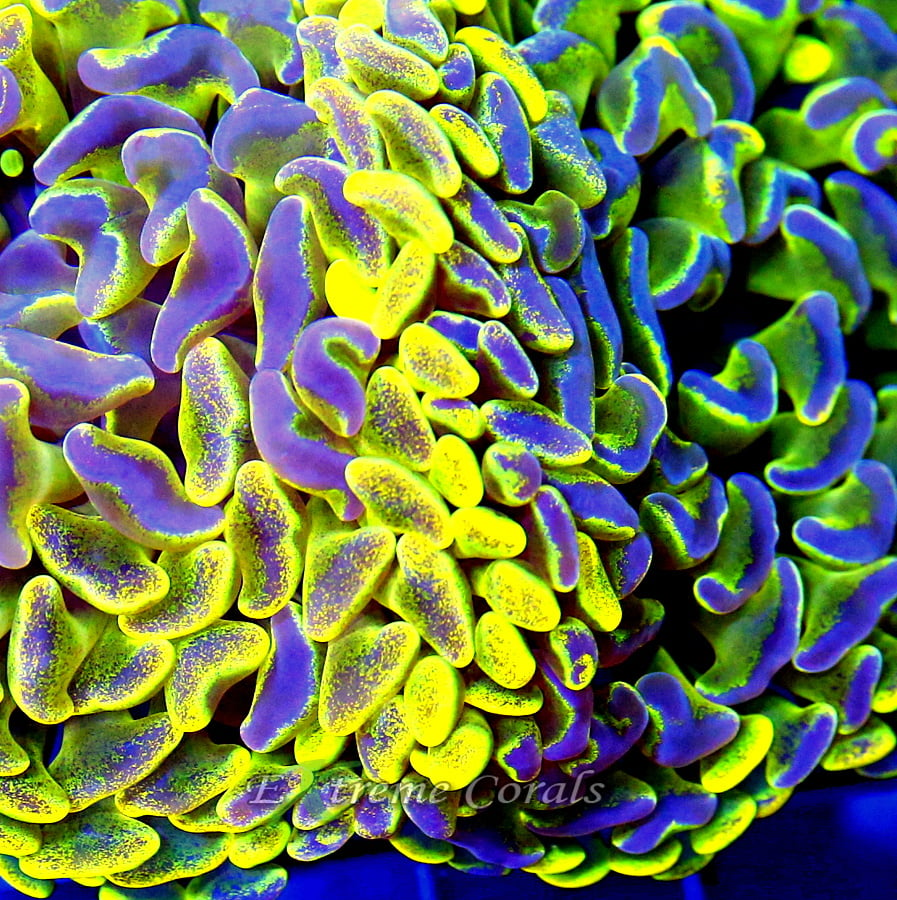
Mastering the Art of Hammer Coral Care: A Comprehensive Guide for Reef Enthusiasts
Discover essential tips for keeping hammer corals thriving in your reef tank. Learn about setup, feeding, maintenance, and more for vibrant and healthy corals
by Scott Shiles • March 25, 2024
Looking to add a hammer coral to your reef tank? Browse our hammer corals and LPS corals for sale and explore colorful WYSIWYG pieces ready for your aquarium.
Hammer coral is one of the most popular LPS corals in reef tanks, known for its flowing tentacles, vibrant coloration, and relatively forgiving care requirements. This complete guide covers hammer coral care, including lighting, flow, placement, feeding, growth, and how to choose a healthy coral that will thrive long term.
For many reef keepers, hammer coral becomes a centerpiece coral. It adds movement, fills space naturally, and grows into impressive colonies over time. While it is easier than many corals, success still depends on stability, proper placement, and understanding its behavior.
What Is a Hammer Coral?
Hammer coral (Euphyllia ancora and Euphyllia parancora) is a large polyp stony (LPS) coral known for its distinctive hammer- or anchor-shaped tentacle tips. It belongs to the Euphyllia family, which also includes torch and frogspawn corals.
These corals are found in Indo-Pacific reefs where they grow in areas with moderate lighting and water flow. In reef aquariums, they are prized for their movement, color, and relatively manageable care requirements compared to SPS corals.
Why Hammer Coral Is So Popular
- Flowing tentacles create natural movement
- Available in green, gold, purple, and bi-color varieties
- More forgiving than many LPS corals
- Works well in mixed reef tanks
- Strong growth under stable conditions
If you enjoy hammer corals, you may also want to learn more about LPS corals and how they fit into a reef system.
Hammer Coral Care Requirements
Lighting
Hammer corals prefer moderate lighting and typically do not require high-intensity light like SPS corals.
- Ideal range: moderate reef lighting
- Too much light: bleaching and tissue stress
- Too little light: reduced growth and dull coloration
If you're adjusting your lighting setup, learn how lighting affects coral growth to avoid common mistakes.
Water Flow
Hammer corals need moderate, indirect flow that allows the tentacles to sway gently.
- Too much flow can tear tissue
- Too little flow can cause debris buildup
- Ideal flow produces a slow, rhythmic movement
Flow is one of the most important factors—read our reef flow guide for proper setup.
Water Parameters
Hammer corals require stable water conditions to stay healthy and extend fully.
- Temperature: 76–80°F
- Salinity: 1.024–1.026
- pH: 8.1–8.4
- Alkalinity: 8–11 dKH
- Calcium: 400–450 ppm
- Magnesium: 1300–1400 ppm
Stability is far more important than chasing exact numbers. Sudden swings in alkalinity are one of the most common causes of hammer coral stress.
Hammer Coral Placement (Critical for Success)
Placement is one of the biggest factors in whether a hammer coral thrives or struggles.
- Place in the middle or lower areas of the tank
- Avoid direct flow from powerheads
- Allow room for expansion and growth
- Keep distance from neighboring corals
Hammer corals have sweeper tentacles that can sting nearby corals, especially at night. Proper spacing prevents damage and stress.
Branching vs Wall Hammer Coral
- Branching hammer: Easier to frag, faster growth, more beginner-friendly
- Wall hammer: Larger and more dramatic but more sensitive and harder to frag
Most reef keepers start with branching hammer corals because they are easier to manage and recover better from stress.
Feeding Hammer Coral
Hammer corals rely heavily on photosynthesis but can benefit from occasional feeding.
- Feed 1–2 times per week (optional)
- Use small meaty foods like mysis shrimp
- Avoid overfeeding to prevent nutrient spikes
While feeding can improve growth, stable water parameters and proper lighting will have a much bigger impact.
Growth Rate and What to Expect
Under stable conditions, hammer corals can grow steadily and form large colonies over time.
- Branching varieties grow faster than wall types
- New heads form gradually from existing branches
- Growth improves with stable alkalinity and proper placement
Many reef keepers frag hammer corals as they grow, allowing them to expand their collection. You can learn how to frag corals here.
Common Hammer Coral Problems
- Brown jelly disease: Rapid tissue decay, often from stress or poor water quality
- Closed polyps: Usually caused by flow or parameter issues
- Bleaching: From excessive lighting or sudden changes
- Tissue recession: Often linked to alkalinity instability
Using proper reef tank tools and monitoring equipment can help prevent and detect issues early.
Hammer Coral vs Torch Coral
Hammer corals are often compared to torch corals. While both are Euphyllia, hammer corals are generally easier to care for and less aggressive.
If you're deciding between the two, read our torch coral care guide.
How to Choose a Healthy Hammer Coral
- Look for full, extended polyps
- Avoid damaged or receding tissue
- Check for strong coloration (not bleached)
- Choose clean skeletons with no decay
Buying high-quality corals significantly improves long-term success.
Related Corals You May Also Like
If you like hammer corals, these other LPS corals are great additions to your reef tank:
- Torch coral care guide
- Euphyllia and LPS coral overview
- Bubble coral and LPS corals for sale
- Blastomussa corals (Blastos)
- Trachyphyllia (open brain corals)
Ready to add a hammer coral to your reef tank? Browse our LPS corals for sale and explore healthy, aquacultured pieces ready to ship.
Shop Hammer Corals
Browse our WYSIWYG hammer corals and find the perfect addition for your reef tank.
Frequently Asked Questions
Q: Are hammer corals good for beginners?
A: Yes, they are one of the best beginner LPS corals once your tank is stable.
Q: Why is my hammer coral not opening?
A: Usually caused by improper flow, lighting stress, or unstable parameters.
Q: How fast do hammer corals grow?
A: Branching varieties can grow steadily under stable conditions.
Q: Can hammer corals sting other corals?
A: Yes, they have sweeper tentacles and need spacing.
Q: Do hammer corals need feeding?
A: Feeding is optional but can help growth.
About the Author
Scott Shiles is the owner of ExtremeCorals.com, which he has operated for over 25 years and is recognized as one of the early dedicated live coral websites on the internet. A lifelong reef keeper since 1984, Scott has decades of hands-on experience maintaining marine aquariums and previously owned and operated a brick and mortar aquarium retail store for 10 years, including five years alongside Extreme Corals. He holds a degree in Marine Biology and has personally selected and sold hundreds of thousands of live corals. An avid scuba diver who has explored reef systems around the world, Scott shares practical coral care and husbandry knowledge based on real world reef experience.
overall rating:
my rating:
log in to rate
Please log in to leave a comment.
For more information visit: additional resources