My Cart: 0 item(s)

Extreme Corals News and Updates
Best Corals for Time-Lapse Videos: Reef Tank Species with the Most Movement and Visual Impact
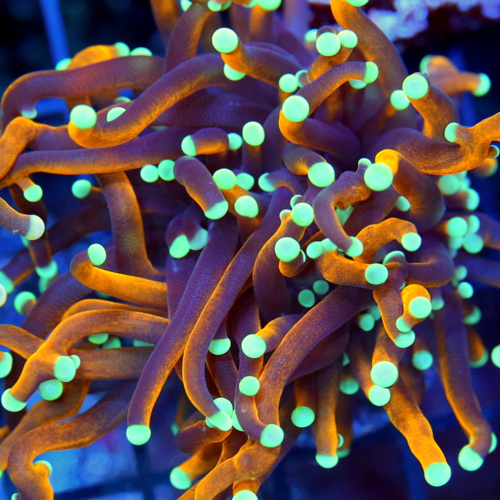
Discover the Most Dynamic Corals for Creating Mesmerizing Time-Lapse Footage
Time-lapse videos bring out the hidden dynamism of coral reefs. This blog highlights the top corals, including torch, Xenia, and Scolymia, for capturing stunning movements and growth, perfect for hobbyists and videographers alike.
by Scott Shiles • December 23, 2024
All Corals, Reef Tank Equipment
Some corals look beautiful in person, but others become truly mesmerizing when captured on camera. Time-lapse video reveals coral movement, feeding behavior, inflation cycles, and growth patterns that are easy to miss in real time. This guide covers some of the best corals for time-lapse videos, including species known for flowing tentacles, pulsing motion, polyp extension, and dramatic visual changes in a reef tank.
For reef keepers, time-lapse is more than a fun photography project. It is also a way to study coral behavior, document growth, and better appreciate how dynamic a healthy reef aquarium really is. The best time-lapse corals usually share a few traits: visible movement, strong extension cycles, clear feeding response, or noticeable day-to-night changes under reef lighting.
Looking for dynamic corals for your reef tank? Browse our new arrival corals and explore colorful corals that bring motion and visual interest to your aquarium.
What Makes a Coral Good for Time-Lapse Video?
Not every coral creates an exciting time-lapse sequence. Some species grow beautifully but show very little visible movement over short periods. Others are ideal because they react strongly to light changes, water flow, feeding, or daily expansion cycles.
- Visible movement: Tentacles or polyps that sway, pulse, or extend
- Expansion cycles: Corals that inflate, deflate, or change shape noticeably
- Feeding behavior: Corals that react strongly when food is introduced
- Color contrast: Corals that glow and stand out well under reef lighting
- Growth pattern: Corals that spread, branch, or fill in over time
The most effective time-lapse corals are usually not just colorful. They are active enough to show clear change when viewed over hours, days, or weeks.
Best Corals for Time-Lapse Videos
Torch Coral

Torch coral is one of the best corals for time-lapse because of its long, flowing tentacles and constant motion in moderate reef flow. It creates a hypnotic effect on camera, especially under blue-heavy lighting where its fluorescent tips stand out clearly.
Why It Films So Well
- Long tentacles create continuous movement
- Extension changes are easy to see on camera
- Looks especially dramatic under evening or blue-spectrum lighting
Best Shot Idea
Use a close-up shot of a single healthy head swaying in moderate indirect flow. This works especially well when the background is darker and the coral is brightly illuminated.
Basic Care Notes
- Lighting: Moderate to moderately high
- Flow: Moderate, indirect flow
- Placement: Bottom to middle of the tank with room around it
If you want a full care breakdown, read our torch coral care guide.
Xenia Coral
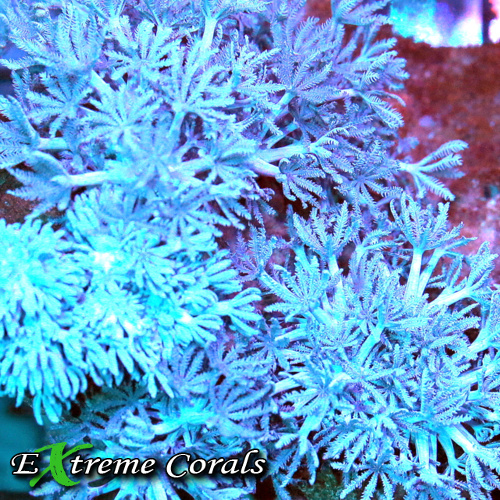
Xenia is one of the most time-lapse-friendly corals in the hobby because of its pulsing polyps. Even without speeding up the footage much, Xenia can look active and alive in a way that very few corals do.
Why It Films So Well
- Rhythmic pulsing creates built-in motion
- Colonies can show group movement that looks dramatic on camera
- Works well for both short clips and longer time-lapse sequences
Best Shot Idea
Frame a small isolated colony against a darker background so the pulsing hands are easier to see. Time-lapse works especially well when the colony is fully open and settled.
Basic Care Notes
- Lighting: Moderate to high
- Flow: Low to moderate
- Placement: Isolated rock if possible to manage spread
You can also learn more about Xenia coral care.
Green Star Polyps
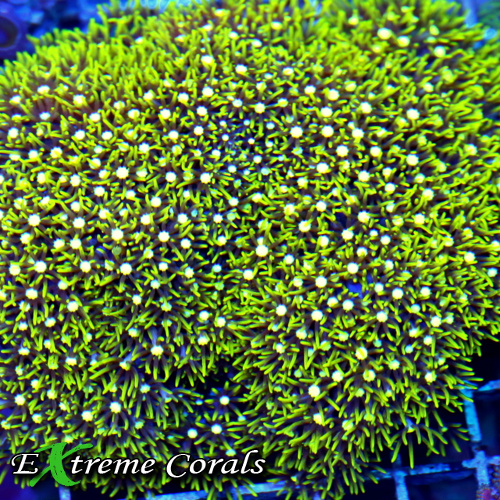
Green star polyps create one of the most recognizable motion effects in a reef tank. When healthy, they sway like underwater grass and can spread across rock in a way that makes them visually interesting over both short and long time-lapse periods.
Why It Films So Well
- Strong swaying motion in moderate flow
- Visible colony spread over time
- Bright green color stands out clearly on video
Best Shot Idea
Use a wider angle on a larger colony so the viewer can see the full mat moving with the current instead of just a small section of polyps.
Basic Care Notes
- Lighting: Moderate to high
- Flow: Moderate
- Placement: Isolated structure if you want to control spread
Zoanthids
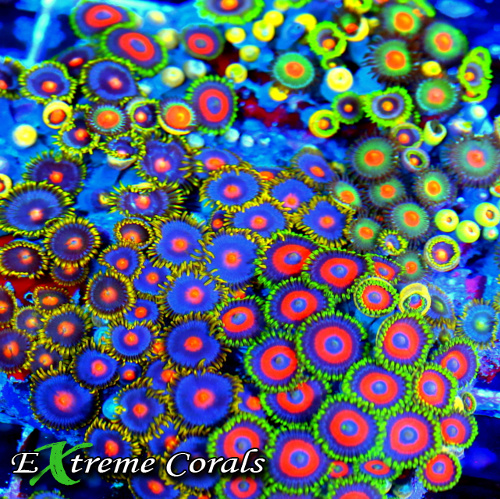
Zoanthids are excellent for time-lapse videos because of their opening and closing cycles, vivid colors, and clustered growth patterns. While they do not move like torch coral or Xenia, they create dramatic visual change over the course of a day.
Why It Films So Well
- Polyps open and close visibly
- Color variety looks striking under reef lighting
- Clustered growth makes daily sequences easy to notice
Best Shot Idea
Capture a colony as the lights ramp up in the morning so the polyps visibly open and transform the look of the frag or rock.
Basic Care Notes
- Lighting: Moderate to high
- Flow: Moderate
- Placement: Mid-level rockwork or plugs
For a deeper care article, read our zoanthid care guide.
Frogspawn Coral
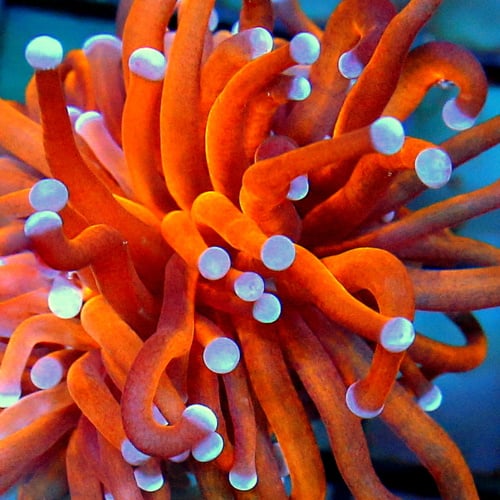
Frogspawn coral is another excellent choice for time-lapse because it combines tentacle movement with a branching coral structure that changes shape visually as the colony expands and retracts. It is especially effective for day-to-night sequences under different lighting phases.
Why It Films So Well
- Long, flowing tentacles create natural motion
- Expansion and contraction are easy to capture over time
- Works beautifully under blue-spectrum lighting
Best Shot Idea
Film the colony through a light transition period so you can capture both tentacle extension and color shift from daylight to actinic lighting.
Basic Care Notes
- Lighting: Moderate to moderately high
- Flow: Moderate, indirect current
- Placement: Bottom to middle with space around the colony
Scolymia Coral

Scolymia is a very different kind of time-lapse coral. It does not create sweeping motion like Euphyllia, but it does show impressive inflation and deflation, especially around feeding. That subtle shape change can look dramatic when condensed into a shorter sequence.
Why It Films So Well
- Visible inflation and deflation cycles
- Feeding response can look dramatic in close-up
- Bold patterns and color make it visually striking even without fast motion
Best Shot Idea
Record the coral around feeding time and focus tightly on the tissue as it expands and contracts.
Basic Care Notes
- Lighting: Low to moderate
- Flow: Low
- Placement: Bottom of the tank with space around it
Acanthophyllia Coral

Acanthophyllia is one of the best close-up corals for time-lapse because of its large fleshy body, slow inflation changes, and strong response during feeding. It may not move constantly, but it creates a very dramatic before-and-after visual effect.
Why It Films So Well
- Large tissue changes are easy to see
- Feeding response is visually dramatic
- Its size and texture work well for macro close-ups
Best Shot Idea
Use a macro shot during feeding and let the footage show slow expansion, feeding behavior, and tissue movement.
Basic Care Notes
- Lighting: Low to moderate
- Flow: Gentle
- Placement: Bottom of the tank on a flat open area
How to Get Better Coral Time-Lapse Videos
The coral matters, but the setup matters too. Even beautiful corals will not film well if the camera is unstable or the lighting flickers.
Use Consistent Lighting
Consistent lighting helps prevent flicker and keeps color transitions smoother. Blue-heavy reef lighting can make fluorescent corals look especially dramatic, but stability matters more than just intensity.
Keep the Camera Stable
A fixed tripod or stable mount is essential. Even tiny movements can ruin a time-lapse sequence, especially for close-up coral shots.
Choose the Right Interval
Fast-moving corals like Xenia may need shorter intervals, while growth-based clips and inflation cycles often work better with longer time gaps.
Film Healthy Corals
The best time-lapse footage comes from healthy, fully extended corals in stable conditions. A stressed coral rarely creates the kind of beautiful sequence hobbyists are hoping for.
Why This Topic Helps Reef Keepers
Even though this is a more creative article, it still matters for reef keepers because it teaches people to notice coral behavior. Time-lapse encourages hobbyists to look at movement, polyp extension, inflation, and growth patterns more closely, which often helps them become better at reading coral health in general.
That makes this kind of article useful not just for photography, but for reefkeeping awareness too.
Related Corals and Reef Tank Topics You May Also Like
If you are interested in time-lapse-worthy corals, you may also want to explore these related care guides and coral categories:
- Torch coral care guide
- Xenia coral care tips
- Zoanthid care guide
- LPS corals overview
- New arrival corals
Ready to stock your tank with dynamic, camera-friendly corals? Browse our new arrival corals and explore colorful corals that bring movement and life to your reef tank.
Shop Corals for Stunning Reef Tank Videos
Explore our new arrival corals, LPS corals for sale, and zoanthids for sale to find healthy, visually striking corals for your reef tank.
Frequently Asked Questions
Q: What coral moves the most in a reef tank video?
A: Xenia, torch coral, frogspawn, and green star polyps are some of the best corals for visible movement in time-lapse footage.
Q: What coral is best for filming feeding response?
A: Scolymia and Acanthophyllia are great for filming visible feeding and inflation changes.
Q: Are zoanthids good for time-lapse videos?
A: Yes. Zoanthids work well because their opening and closing cycles create strong visual change over the day.
Q: Do I need expensive equipment to film coral time-lapse?
A: No. A stable camera or smartphone setup with consistent lighting and a tripod can work very well.
Q: Why does time-lapse matter for reef keepers?
A: It helps reveal coral behavior, feeding response, extension cycles, and growth patterns that are easy to miss in real time.
About the Author
Scott Shiles is the owner of ExtremeCorals.com, which he has operated for over 25 years and is recognized as one of the early dedicated live coral websites on the internet. A lifelong reef keeper since 1984, Scott has decades of hands-on experience maintaining marine aquariums and previously owned and operated a brick and mortar aquarium retail store for 10 years, including five years alongside Extreme Corals. He holds a degree in Marine Biology and has personally selected and sold hundreds of thousands of live corals. An avid scuba diver who has explored reef systems around the world, Scott shares practical coral care and husbandry knowledge based on real world reef experience.
overall rating:
my rating:
log in to rate
Please log in to leave a comment.
For more information visit: additional resources