My Cart: 0 item(s)

Extreme Corals News and Updates
How Coral Metabolism Works: Photosynthesis, Feeding and Nutrient Uptake in Reef Tanks
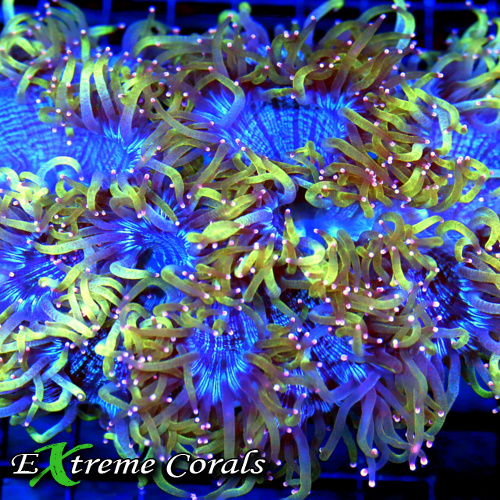
Unlock the Secrets of Coral Nutrition: Photosynthesis, Prey Capture, and Nutrient Absorption
Learn how corals feed and thrive through photosynthesis, prey capture, and nutrient absorption. Explore the science of coral metabolism and reef tank care
by Scott Shiles • May 05, 2026
Reef Tank Maintenance, Reef Tank Equipment, All Corals
Understanding coral metabolism can help you make better decisions about lighting, feeding, water chemistry, and overall reef tank care. Corals do not survive on one single food source. Instead, they rely on a combination of photosynthesis, active feeding, and dissolved nutrient uptake to grow, repair tissue, and build skeleton over time. This guide explains how corals feed and thrive, and how reef keepers can support those natural processes in a home aquarium.
At first glance, corals can seem passive, but they are highly active animals with complex biological relationships. Some of their energy comes from symbiotic algae living within their tissues, some comes from captured prey, and some comes from nutrients and ions absorbed from the water column. When reef keepers understand these pathways, it becomes much easier to create a system that supports coral growth, color, and long-term health.
Building a healthier, more balanced reef tank? Browse our new arrival corals and explore healthy corals for stable reef aquariums.
What Is Coral Metabolism?
Coral metabolism is the overall process by which corals obtain energy, absorb nutrients, maintain living tissue, and build skeleton. In practical reefkeeping terms, coral metabolism is not just about feeding. It includes everything that helps a coral stay alive and grow, including light-driven energy production, prey capture, nutrient absorption, and calcification.
That is why reef tank success depends on more than just adding coral food. Lighting, flow, nutrient balance, alkalinity, calcium, and general tank stability all affect how well corals metabolize and grow.
The Three Main Ways Corals Feed and Thrive
Corals generally rely on three major pathways for energy and nutrition:
- Photosynthesis through symbiotic zooxanthellae algae
- Prey capture using tentacles and stinging cells
- Nutrient absorption from the surrounding water
The live article centers on these same three feeding mechanisms and uses them as the foundation for explaining coral nutrition. Corals are not limited to one method. The balance between these pathways can vary by coral type, lighting, flow, and reef tank conditions. :contentReference[oaicite:1]{index=1}
Photosynthesis: The Foundation of Coral Nutrition
For many reef-building corals, photosynthesis provides the majority of day-to-day energy. The live article explains that this happens through the symbiotic relationship between corals and zooxanthellae algae living inside coral tissue. Those algae use light to produce sugars, and the coral benefits from that energy. :contentReference[oaicite:2]{index=2}
How Photosynthesis Supports Coral Health
- Light powers the zooxanthellae inside coral tissue
- The algae produce sugars and oxygen
- The coral uses a large portion of that energy for survival and growth
- The coral provides the algae with protection and access to nutrients
This relationship is one of the most important reasons lighting matters so much in reef tanks. If the light is weak, unstable, or inappropriate for the coral type, the coral may struggle to produce enough energy. If the light is too intense too quickly, the coral can become stressed and bleach.
Why Photosynthesis Matters for Reef Keepers
The live article correctly highlights lighting and stability as major factors in protecting the coral-algae relationship and reducing bleaching risk. In a home reef aquarium, that means using reliable reef lighting, avoiding abrupt intensity changes, and matching placement to the needs of the coral. :contentReference[oaicite:3]{index=3}
If you are still dialing in your lighting system, learn more about coral lighting.
Prey Capture: Corals Are Active Feeders Too
Corals are animals, not just living rock. Many species actively capture prey, especially when feeding conditions are right. The live article explains that corals extend tentacles, use stinging cells to immobilize prey, and then digest it in the gastrovascular cavity to absorb nutrients such as amino acids and fatty acids. :contentReference[oaicite:4]{index=4}
How Active Feeding Works
- Polyps extend feeding tentacles
- Stinging cells help immobilize tiny prey
- Food is moved into the coral’s mouth
- The coral digests and absorbs usable nutrients
This feeding pathway is especially important because it gives corals access to compounds that go beyond what photosynthesis alone provides. In reef tanks, this can influence tissue fullness, coloration, growth rate, and recovery from stress.
When Corals Feed Most Actively
The live article notes that many corals feed more actively at night, which is why evening feeding often makes sense in reef aquariums. Moderate flow also helps distribute food through the tank and bring particles within reach of coral polyps. :contentReference[oaicite:5]{index=5}
Nutrient Absorption: The Water Column Matters
In addition to photosynthesis and active feeding, corals also absorb dissolved materials directly from the surrounding water. The live article emphasizes calcium, magnesium, and trace elements as important to skeletal growth and overall coral health. :contentReference[oaicite:6]{index=6}
What Corals Absorb from the Water
- Calcium for skeletal growth
- Carbonate and alkalinity support for calcification
- Magnesium for broader chemical balance
- Trace elements involved in metabolic and biological processes
This is one reason stable reef chemistry matters so much. If the water column lacks the basic building blocks corals need, growth slows and long-term health can decline even if lighting and feeding appear adequate.
How Corals Build Skeleton
Coral metabolism is not just about eating. It is also about calcification. Stony corals build calcium carbonate skeletons using calcium and carbonate ions from the water. The live article specifically points to calcium and alkalinity as core parts of this process. :contentReference[oaicite:7]{index=7}
- Calcium supports skeletal structure
- Alkalinity supports carbonate availability and pH stability
- Magnesium helps keep the broader chemistry balanced
In practical reefkeeping, this means coral growth depends heavily on stable water chemistry, not just food or light. If you are working on chemistry consistency, learn more about pH and alkalinity in reef tanks.
Why Different Corals Feed Differently
Not every coral depends on the same nutritional balance. Some corals rely heavily on photosynthesis, while others respond more noticeably to direct feeding. Soft corals, LPS corals, SPS corals, mushrooms, and zoanthids can all behave differently depending on species and tank conditions.
- SPS corals often depend heavily on stable light and chemistry
- LPS corals often show stronger visible feeding responses
- Soft corals may rely more on dissolved nutrients and photosynthesis depending on species
This is why a reef tank should not be managed with a one-size-fits-all feeding philosophy. Coral type matters, and placement matters too.
How Reef Keepers Can Support Coral Metabolism
The live article offers practical advice on lighting, feeding, and stable water parameters. Those are the right categories, but they are even more powerful when viewed as one connected system instead of separate tasks. :contentReference[oaicite:8]{index=8}
1. Provide Proper Lighting
- Use quality reef lighting suited to your coral mix
- Keep lighting schedules consistent
- Avoid drastic light changes without acclimation
2. Feed Corals Appropriately
- Offer appropriate reef-safe foods when needed
- Feed based on coral type and tank nutrient balance
- Avoid overfeeding the system
3. Maintain Stable Water Chemistry
- Monitor calcium, alkalinity, and magnesium regularly
- Keep nutrient levels balanced, not wildly swinging
- Use water changes and dosing when necessary
4. Watch Coral Behavior
The live article notes that healthy corals often show extended polyps, good color, and steady growth, while stressed corals may retract or fade. Watching daily behavior is one of the best ways to learn how your system is affecting coral metabolism. :contentReference[oaicite:9]{index=9}
Common Mistakes That Disrupt Coral Metabolism
- Using poor or unstable lighting
- Ignoring water chemistry trends
- Overfeeding the tank and driving nutrients too high
- Underfeeding certain corals in ultra-clean systems
- Making too many changes too quickly
One of the biggest mistakes is treating corals like they only need light. Another is treating them like they only need target feeding. In reality, coral health depends on the balance of all three feeding and metabolic pathways working together.
How Coral Metabolism Connects to Reef Tank Success
When coral metabolism is supported correctly, you usually see better polyp extension, stronger color, steadier growth, and better long-term health. When it is disrupted, corals often respond with fading, tissue loss, poor feeding response, or stalled growth.
This is why understanding metabolism is useful beyond theory. It changes how you think about lighting, nutrient control, water testing, coral placement, and tank stability.
Related Corals and Reef Tank Topics You May Also Like
If you are interested in coral health, feeding, and long-term reef stability, you may also want to explore these related guides:
- How lighting affects coral growth
- The impact of water flow on coral health
- pH and alkalinity in reef tanks
- Reef tank water parameters explained
- Overview of coral types and care guidelines
- New arrival corals
Ready to build a healthier reef tank? Browse our new arrival corals and explore healthy corals for stable, well-maintained reef systems.
Shop Corals for a Thriving Reef Tank
Explore our new arrival corals, LPS corals for sale, and SPS corals for sale to find healthy additions for your reef aquarium.
Frequently Asked Questions
Q: How do corals get most of their energy?
A: Many reef-building corals get much of their energy from photosynthesis through symbiotic zooxanthellae algae living in their tissue.
Q: Do corals need to be fed if they have light?
A: Many corals can survive mainly through photosynthesis, but active feeding can still support growth, tissue health, and overall nutrition.
Q: Can corals absorb nutrients directly from the water?
A: Yes. Corals also absorb dissolved nutrients and important ions such as calcium and other elements from the water column.
Q: Why does coral metabolism matter in a reef tank?
A: It helps explain why lighting, feeding, water chemistry, and stability all affect coral health and growth.
Q: What is the biggest mistake reef keepers make with coral feeding?
A: A common mistake is focusing on only one pathway, such as light or target feeding, instead of supporting the full balance of coral nutrition and stability.
About the Author
Scott Shiles is the owner of ExtremeCorals.com, which he has operated for over 25 years and is recognized as one of the early dedicated live coral websites on the internet. A lifelong reef keeper since 1984, Scott has decades of hands-on experience maintaining marine aquariums and previously owned and operated a brick and mortar aquarium retail store for 10 years, including five years alongside Extreme Corals. He holds a degree in Marine Biology and has personally selected and sold hundreds of thousands of live corals. An avid scuba diver who has explored reef systems around the world, Scott shares practical coral care and husbandry knowledge based on real world reef experience.
overall rating:
my rating:
log in to rate
Please log in to leave a comment.
For more information visit: additional resources