My Cart: 0 item(s)

Extreme Corals News and Updates
What Makes Bounce Mushrooms Thrive in a Reef Tank? Care, Placement and Growth Tips
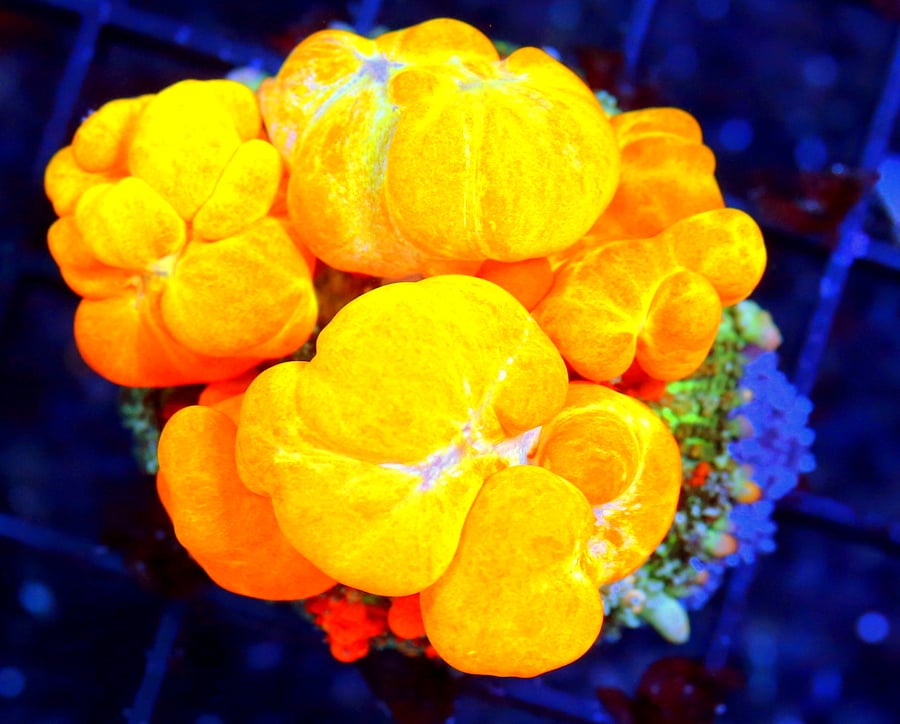
Discovering Bounce Mushrooms: Care Guide for Coral Reef Hobbyists
Explore the mesmerizing world of bounce mushrooms in coral reef aquariums. Learn about popular types, their captivating beauty, and essential care requirements for a thriving marine ecosystem. From water parameters and lighting to feeding and placement, uncover the secrets to successfully nurturing these unique and vibrant creatures.
by Scott Shiles • August 25, 2023
Looking to add bounce mushrooms to your reef tank? Browse our mushrooms for sale and explore colorful, high-end pieces for your aquarium.
Bounce mushrooms are some of the most unusual and sought-after mushroom corals in the reef hobby, known for their inflated bubble-like texture, vivid color, and collector appeal. This guide explains bounce mushroom care in reef aquariums, including lighting, flow, placement, feeding, water stability, and what helps these corals settle in and thrive over time.
Bounce mushrooms are especially popular with reef keepers who want unusual texture and standout visual contrast in lower-flow areas of a tank. They are often easier to manage than many SPS corals, but like most high-end corals, they still perform best when water conditions are stable and placement is handled carefully. In many reef tanks, a healthy bounce mushroom becomes a true focal point rather than just another soft coral.
What Are Bounce Mushrooms?
Bounce mushrooms are generally associated with Rhodactis-type mushroom corals that develop raised, inflated vesicles or “bounces” across the surface of the coral. These bubble-like structures can become more pronounced as the coral matures and adapts to consistent reef tank conditions.
In the reef hobby, bounce mushrooms are usually identified by collector or lineage names rather than strict scientific labeling. Popular names may include OG Bounce, Sunkist Bounce, Frankenstein Bounce, Insanity Bounce, Interstellar Bounce, God Spawn Bounce, and Neptune Bounce. Their rarity, texture, and fluorescence are a major part of what makes them so desirable.
Popular Types of Bounce Mushrooms
Bounce mushrooms can vary significantly in color, bubble development, and overall growth pattern. Some stay relatively smooth for a long time, while others develop dramatic inflation across most of the disc.
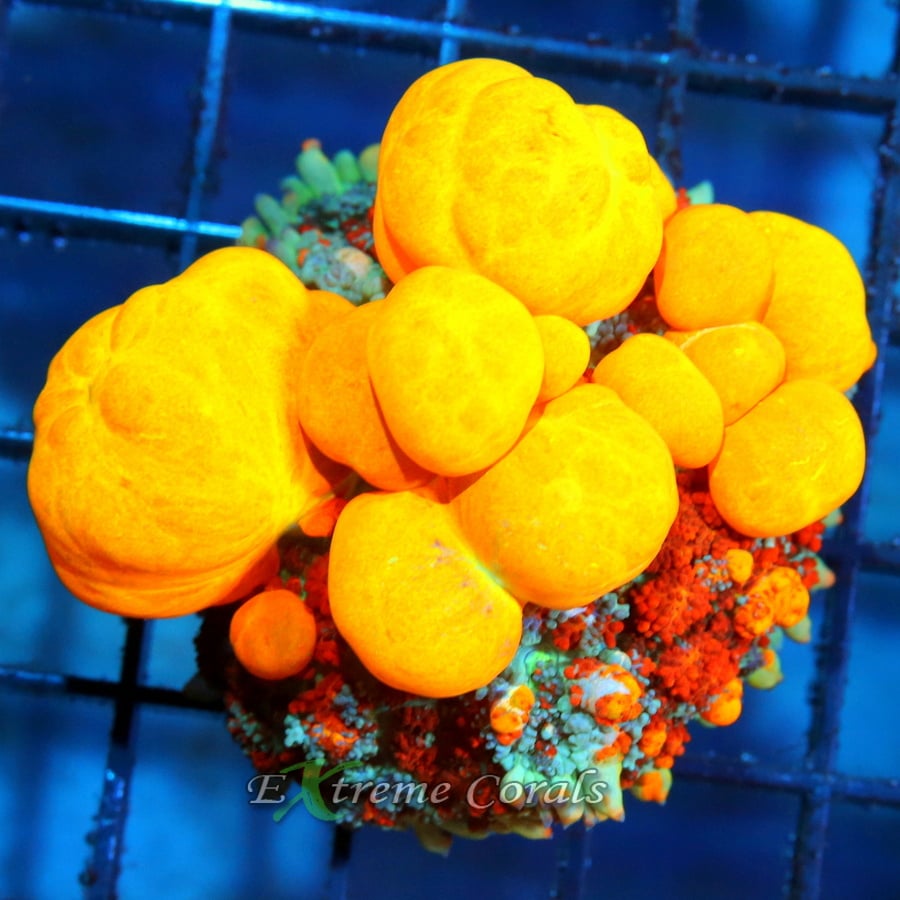
Florida Ricordea-Style Bounce Mushrooms
Some hobbyists refer to certain colorful mushroom types in casual ways that overlap with bounce naming, but true bounce mushrooms are generally discussed in the Rhodactis category. Still, brightly colored mushroom corals with unusual texture often get grouped together in collector conversations because of their visual appeal.
Bounce Rhodactis
This is the most common category people mean when discussing bounce mushrooms. Bounce Rhodactis can show bright oranges, reds, greens, yellows, and multi-color patterns, along with varying degrees of bubble formation. Some have a subtle raised texture, while others develop dramatic vesicles that make the coral instantly recognizable.
Mega Bounce Mushrooms
Mega bounce mushrooms are often described as larger, more dramatic specimens with pronounced texture and stronger collector appeal. These can become standout centerpiece corals in reef aquariums when given the right placement and time to mature.
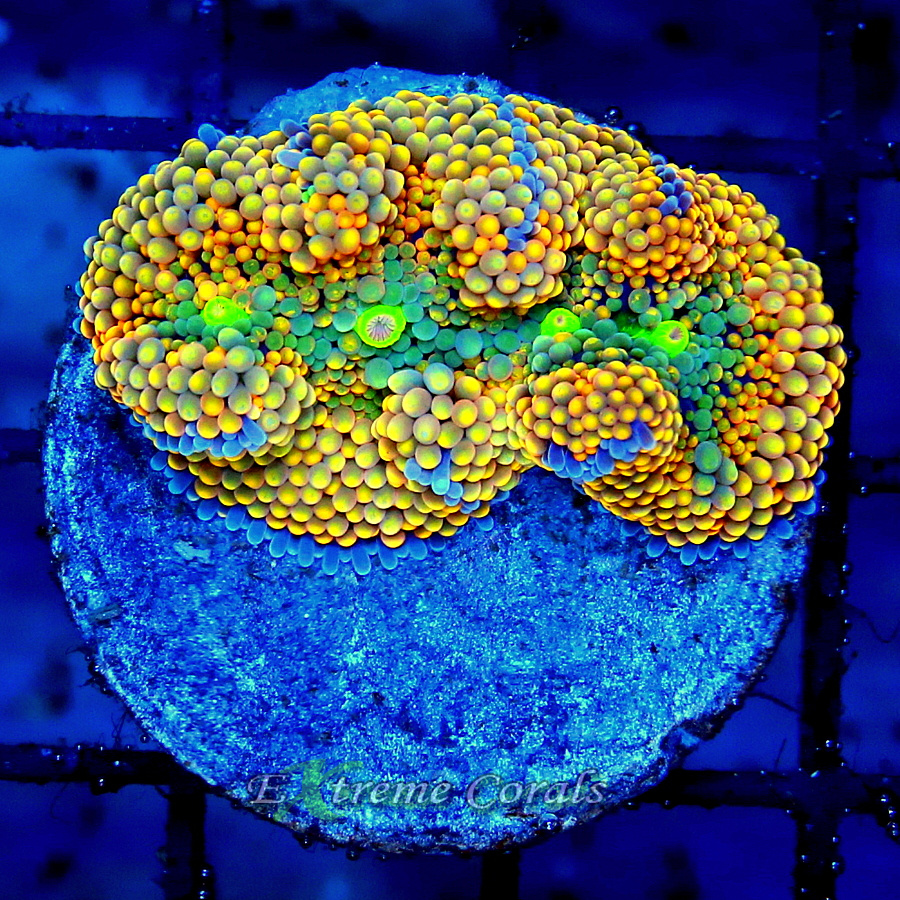
Why Bounce Mushrooms Are So Popular
- They have a distinctive inflated texture that stands out from most other corals
- They add strong color to lower-light and lower-flow zones
- Many varieties have strong collector demand
- They work well in mixed reefs, soft coral sections, and mushroom gardens
- They often provide a high-end look without requiring SPS-style placement
For many reef keepers, bounce mushrooms are both display corals and collector pieces. They combine visual impact with a lower-energy placement style that works well in many established reef tanks.
Bounce Mushroom Care Requirements
Lighting
Bounce mushrooms usually do best under low to moderate lighting. They do not need the intensity required by most SPS corals, and too much direct light can cause shrinking, stress, or washed-out appearance.
- Low to moderate lighting is usually ideal
- Avoid sudden light increases
- Acclimate slowly if moving them higher in the tank
- Excessive intensity can lead to bleaching or contraction
If you are still fine-tuning your setup, learn more about coral lighting to understand how placement affects coral behavior and coloration.
Water Flow
Bounce mushrooms generally prefer low to moderate indirect flow. They do not want strong direct current blasting across the disc. Too much flow can keep them retracted and may make it harder for them to settle in comfortably.
- Low to moderate indirect flow is best
- Avoid strong directional flow
- Provide enough movement to limit detritus buildup
Many reef keepers find that bounce mushrooms do best in more sheltered sections of the aquascape. You can also read our reef flow guide for a broader understanding of coral-safe water movement.
Water Parameters
Like most corals, bounce mushrooms do best in stable reef tank conditions. They are generally more forgiving than Acropora and other demanding SPS corals, but they still should not be treated like disposable beginner corals. Stability matters.
- Temperature: 75-80°F
- pH: 8.1-8.4
- Salinity: 1.024-1.026
- Specific gravity: around 1.025
- Stable alkalinity and general reef chemistry are important
Major swings can lead to shrinkage, stress, poor expansion, or detachment. If you are working on chemistry consistency, learn more about pH and alkalinity in reef tanks.
Water Quality
Good water quality helps bounce mushrooms stay expanded and healthy over time. Regular maintenance, reasonable nutrient control, and stable chemistry all contribute to long-term success.
- Perform regular water changes
- Avoid overfeeding the tank
- Maintain efficient filtration
- Prevent detritus buildup around the coral
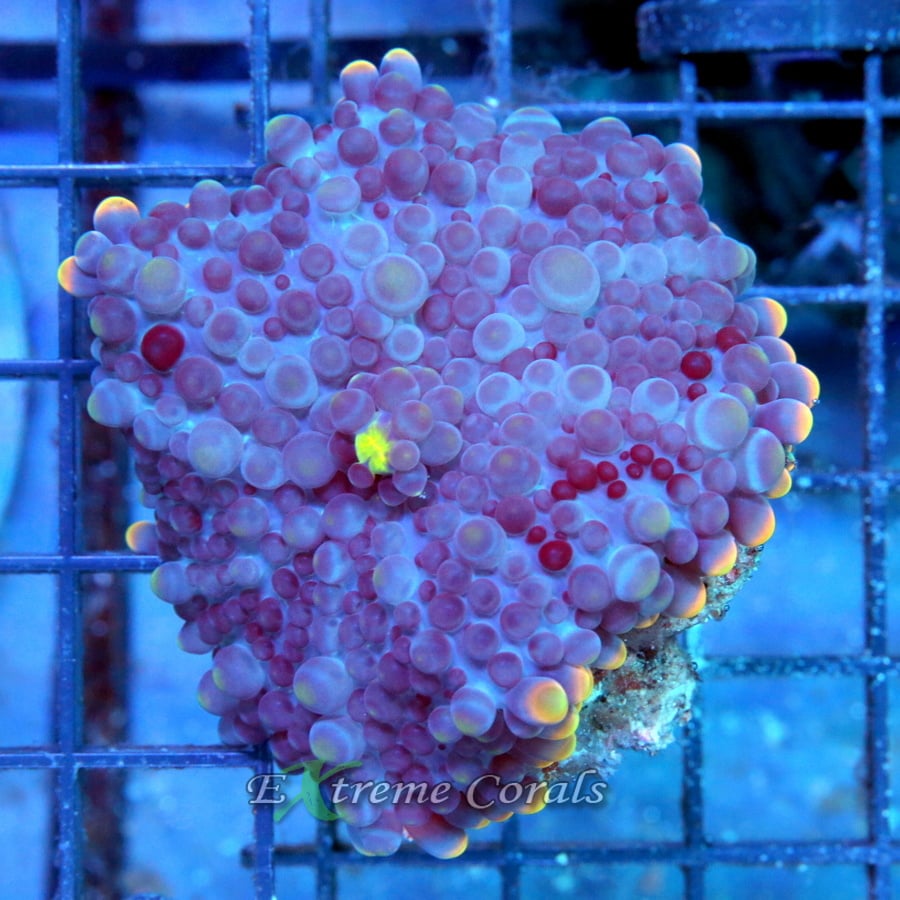
Best Placement for Bounce Mushrooms
Placement is one of the biggest factors in how bounce mushrooms look and behave. A healthy coral can still appear unimpressive if it is placed in too much light or too much flow.
- Start in the lower to middle part of the tank
- Use a lower-flow area with stable surroundings
- Allow room for the disc to expand
- Keep them away from aggressive neighboring corals
Many hobbyists prefer to place bounce mushrooms on isolated rock islands or in dedicated mushroom zones where they can grow without being crowded by faster-growing LPS or invasive soft corals.
Do Bounce Mushrooms Need Feeding?
Bounce mushrooms are photosynthetic, but some reef keepers choose to supplement with occasional feeding. This is not always necessary, and many specimens do well without direct feeding when the tank is otherwise stable.
- Supplemental feeding is optional
- Use small meaty foods or coral-specific foods if feeding
- Avoid overfeeding and nutrient spikes
- Do not force-feed stressed or recently moved mushrooms
In most tanks, proper placement and stability matter more than heavy feeding schedules.
How Bounce Mushrooms Grow and Multiply
Bounce mushrooms can grow steadily under stable conditions, though many are not especially fast growers. Some split naturally over time, while others take much longer to develop size and dramatic bubble texture.
- Growth rate depends on lineage and tank conditions
- Mature specimens may show stronger bounce development
- Splitting can happen once the coral is settled and established
Collector mushrooms often reward patience. Better color, fuller expansion, and more dramatic vesicles usually come from time and stability rather than frequent changes.
Common Bounce Mushroom Problems
Shrinking or Staying Small
This is often caused by too much light, too much flow, instability, or stress from recent movement.
Bleaching or Washed-Out Color
Excessive light intensity or abrupt placement changes are common causes.
Detachment
Bounce mushrooms can detach if they are unhappy with the flow, light, or surface they are attached to. Secure, low-stress placement helps reduce this risk.
Poor Bounce Development
Not every mushroom develops dramatic bounce structures quickly. Genetics, maturity, stability, and overall tank conditions all play a role.
Bounce Mushrooms vs Other Mushroom Corals
Bounce mushrooms are often compared with ricordea, discosoma, and other Rhodactis mushrooms. What sets them apart is the texture and collector appeal. While other mushroom corals can be colorful and hardy, bounce mushrooms often stand out because of their inflated vesicles, rarity, and high-end visual presentation.
If you enjoy mushroom corals in general, you may also want to explore ricordea mushrooms and other soft coral options for lower-flow sections of a reef tank.
How to Choose a Healthy Bounce Mushroom
- Look for full tissue and good attachment
- Avoid severely receded or damaged edges
- Choose specimens with strong color and no obvious bleaching
- Prefer pieces that look settled instead of freshly stressed
High-end mushrooms can be a serious investment, so starting with a healthy piece can make a major difference in long-term success.
Related Corals You May Also Like
If you like bounce mushrooms, you may also want to explore these related corals and reef topics:
- Ricordea mushrooms for sale
- Zoanthid care guide
- Soft coral care ideas for mixed reefs
- Overview of coral types and care guidelines
- New arrival corals
Ready to add a standout mushroom coral to your reef tank? Browse our mushrooms for sale and explore healthy, colorful corals ready for your aquarium.
Shop Bounce Mushrooms and Mushroom Corals
Browse our mushroom corals for sale and explore unique, high-end pieces for lower-flow areas of your reef tank.
Frequently Asked Questions
Q: Are bounce mushrooms good for beginners?
A: Bounce mushrooms are often easier to keep than many SPS corals, but high-end specimens still do best in stable reef tanks with proper placement.
Q: What lighting do bounce mushrooms need?
A: Most bounce mushrooms prefer low to moderate lighting and can become stressed under excessive intensity.
Q: Do bounce mushrooms need feeding?
A: Feeding is optional. They are photosynthetic but may benefit from occasional supplemental feeding in some systems.
Q: Why is my bounce mushroom shrinking?
A: Common causes include too much light, too much flow, instability, or stress from recent handling or relocation.
Q: Can bounce mushrooms touch other corals?
A: It is best to give them space. While they are not usually as aggressive as many LPS corals, crowding can still create stress and competition.
About the Author
Scott Shiles is the owner of ExtremeCorals.com, which he has operated for over 25 years and is recognized as one of the early dedicated live coral websites on the internet. A lifelong reef keeper since 1984, Scott has decades of hands-on experience maintaining marine aquariums and previously owned and operated a brick and mortar aquarium retail store for 10 years, including five years alongside Extreme Corals. He holds a degree in Marine Biology and has personally selected and sold hundreds of thousands of live corals. An avid scuba diver who has explored reef systems around the world, Scott shares practical coral care and husbandry knowledge based on real world reef experience.
overall rating:
my rating:
log in to rate
Please log in to leave a comment.
For more information visit: additional resources