My Cart: 0 item(s)

Extreme Corals News and Updates
Torch Coral Care Requirements: Water Parameters, Lighting & Flow Guide (2026)
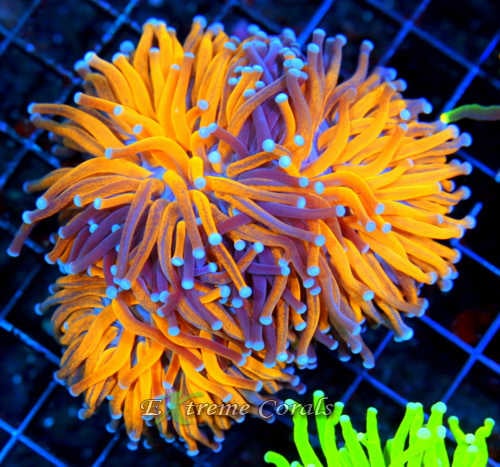
Learn the ideal torch coral water parameters, lighting, flow, feeding, placement, and compatibility requirements for keeping Euphyllia glabrescens healthy in reef tanks.
Learn torch coral care requirements for reef tanks, including water parameters, lighting, flow, feeding, placement, and common problems to avoid in 2026.
by Scott Shiles • April 21, 2026
Torch coral is one of the most recognizable and desirable LPS corals in reef aquariums because of its long flowing tentacles, strong color contrast, and dramatic movement in the current. Known scientifically as Euphyllia glabrescens, torch coral has become a centerpiece coral for many reef keepers who want both elegance and motion in their display. At the same time, it is not a coral that thrives on neglect. Torch coral does best when water conditions are stable, lighting is moderate, flow is indirect, and placement is handled carefully. This guide covers torch coral care requirements in detail, including water parameters, lighting, water flow, feeding, compatibility, fragging, and common issues to watch for in 2026.
For many hobbyists, torch coral is the coral that makes a reef tank feel alive. Its tentacles sway naturally in the current, its fluorescent tips glow under blue lighting, and a healthy colony can quickly become one of the most admired pieces in the tank. With that beauty comes responsibility, though, because torches are sensitive to instability and can decline quickly if their environment is inconsistent.
Looking to add a torch coral to your reef tank? Browse our LPS corals and explore healthy corals for your aquarium.
Introduction to Torch Coral
Torch Coral (Euphyllia glabrescens) is a Large Polyp Stony (LPS) coral known for its long, flowing tentacles tipped with bright colors. Available in green, gold, purple, blue, and orange hues, with contrasting tips in neon or fluorescent shades, Torch Coral adds mesmerizing movement to a reef tank.
Torch Coral is moderately difficult to care for, requiring stable water conditions, moderate lighting, and gentle to moderate water flow. It is semi-aggressive, capable of extending long sweeper tentacles to defend its space. It is an excellent choice for intermediate to advanced reef keepers looking to add an elegant, flowing coral to their setup.
Torch Coral Care Requirements (Quick Parameters)
Temperature: 76-80°F
Salinity: 1.024-1.026
pH: 8.1-8.4
Alkalinity: 8-10 dKH
Calcium: 400-450 ppm
Magnesium: 1250-1350 ppm
Nitrate: 5-10 ppm
Phosphate: 0.03-0.07 ppm
Lighting: 100-200 PAR
Flow: Moderate, indirect
Torch coral requires stable water conditions above all else. Sudden swings in alkalinity, temperature, or nutrients are one of the most common causes of torch coral decline.
Natural Habitat and Location in the Wild
Torch Coral is found in the Indo-Pacific region, particularly in Australia, Indonesia, Fiji, the Philippines, and the Great Barrier Reef. It thrives in lagoonal reefs, reef slopes, and deeper reef zones, attaching to rocky substrates in moderate-light, moderate-flow environments.
Why Choose Torch Coral for Your Reef Tank?
- Stunning Flowing Tentacles – Adds natural movement and elegance to the tank.
- Moderate Growth Rate – Expands steadily in ideal conditions.
- Glows Under Actinic Lighting – Fluorescent tips enhance reef aesthetics.
- Pairs Well with Other Euphyllia – Can be grouped with Frogspawn and Hammer corals in some setups with care.
Torch coral is ideal for reef keepers who want a coral with motion, color, and strong visual presence. A healthy torch can anchor an entire aquascape and become one of the defining features of the tank.
Optimal Water Parameters
Maintaining stable water conditions ensures the best health, coloration, and extension for Torch Coral.
| Parameter | Ideal Range |
|---|---|
| Temperature | 76-80°F (24-27°C) |
| Salinity | 1.024-1.026 SG |
| pH | 8.1-8.4 |
| Alkalinity | 8-10 dKH |
| Calcium | 400-450 ppm |
| Magnesium | 1250-1350 ppm |
| Nitrate | 5-10 ppm |
| Phosphate | 0.03-0.07 ppm |
Weekly water changes of 10-15% help maintain stability and prevent nutrient imbalances. Torch corals often do better in tanks with nutrients that are controlled but not stripped completely.
If you are working on chemistry stability, read our guide on pH and alkalinity in reef tanks.
Tank Size and Setup
- Minimum Tank Size: 30 gallons or larger.
- Placement: Prefers mid to lower areas of the tank, allowing room for tentacle extension.
- Substrate Considerations: Best attached to rockwork with stable footing, ensuring enough space for sweeper tentacle movement.
Torch corals need room. Their long tentacles and sweeper behavior mean they should not be wedged into crowded sections of the aquascape or placed too close to peaceful neighboring corals.
Lighting Requirements
Torch Coral thrives under moderate lighting, which helps maintain its vibrant coloration and healthy tentacle extension.
- PAR Range: 100-200 PAR
- Lighting Type: LED, T5, or hybrid setups with a blue-spectrum emphasis
- Lighting Schedule: 8-10 hours per day, with gradual intensity transitions
Torches generally do best when they are not blasted with harsh light. Excessive intensity can lead to bleaching, poor extension, or tissue stress, especially if the coral was recently added or moved from a lower-light system.
If you want to understand reef lighting better, read our guide on reef tank lighting.
Water Flow and Circulation
- Moderate, indirect water flow ensures proper polyp extension and waste removal.
- Avoid strong, direct currents, which can cause tissue damage and stress.
- Randomized flow patterns help prevent detritus buildup and enhance nutrient absorption.
Torch corals should sway gently in the current, not whip violently. Good flow helps keep them clean and oxygenated while also allowing tentacles to extend naturally.
If you want to learn more about circulation, read our guide on water flow and coral health.
Feeding and Nutrition
Torch Coral benefits from both photosynthesis and direct feeding, absorbing nutrients through its tentacles.
- Preferred Foods: Mysis shrimp, brine shrimp, reef roids, and amino acids.
- Feeding Frequency: 2-3 times per week enhances growth and polyp extension.
- Best Feeding Method: Target feeding when tentacles are extended.
While torches can survive largely on light in a stable reef tank, feeding usually helps improve growth, tissue fullness, and coloration. Moderate, consistent feeding is usually more effective than heavy feeding that dirties the tank.
Tank Mates and Compatibility
- Safe Companions: Clownfish (which may host it), gobies, blennies, shrimp, and snails.
- Caution With: Other LPS corals—Torch Coral has long sweeper tentacles that can sting neighbors.
- Avoid: Aggressive fish like certain angelfish and butterflyfish, which may nip at tentacles.
Torch coral is semi-aggressive, and that matters. Even if it looks peaceful during the day, it may extend sweeper tentacles at night and damage nearby corals if spacing is inadequate.
Growth Rate and Propagation
- Moderate growth rate, expanding into multiple branching heads over time.
- Fragging Method: Use bone cutters or coral saws to carefully cut branches from the base for propagation.
Healthy branching torch corals can be fragged successfully, but only when the colony is stable and fully established. Clean tools and careful handling are essential.
If you want to learn more about propagation, read our guide on how to frag corals.
Common Diseases and How to Prevent Them
- Brown Jelly Disease – A bacterial infection requiring iodine dips and improved water quality.
- Tissue Recession – Often caused by unstable parameters or excessive flow.
- Algae Overgrowth – Can smother the coral if excess nutrients are present.
Prevention is always easier than treatment. Stable parameters, clean flow, controlled nutrients, and smart placement are the biggest defenses against torch coral decline.
Handling and Acclimation
- Drip acclimation is recommended to gradually adjust the coral to new water conditions.
- Minimize handling, as tentacles are delicate and prone to damage.
When moving a torch coral, it is best to handle the skeleton and avoid touching fleshy tissue or tentacles whenever possible.
Maintenance and Cleaning
- Perform weekly water changes of 10-15% to maintain water quality.
- Use a turkey baster to blow off debris from the coral to help prevent bacterial issues.
Good routine maintenance helps keep torches clean and lowers the chance of tissue irritation from settling waste or detritus.
Signs of Stress and How to Address Them
- Shrunken or retracted tentacles – May indicate poor water quality, excessive flow, or aggression from nearby corals.
- Faded or bleached coloration – Reduce light intensity and review feeding consistency.
- Slow growth or tissue recession – Ensure stable water conditions and avoid placing near aggressive corals.
Torch corals tend to show visible warning signs fairly clearly. If tentacles stay retracted for too long or tissue begins receding, something in the system usually needs correction quickly.
Troubleshooting Common Issues
- Bleaching – Often caused by excessive light exposure; move to a lower-light area.
- Pest Infestation – Inspect regularly for flatworms, nudibranchs, or parasitic snails.
- Slow Growth – Increase target feeding and ensure stable alkalinity and calcium levels.
Most torch coral problems trace back to instability, poor placement, aggressive neighbors, or a mismatch between light and flow.
Best Tank Setup for Torch Coral
Torch coral usually does best in reef tanks with:
- Stable water chemistry
- Moderate lighting in the 100-200 PAR range
- Moderate indirect flow
- Enough open space for sweeper tentacles
- Regular supplemental feeding
This makes torch coral a strong choice for intermediate and advanced reef keepers who want one of the most dramatic moving LPS corals in the hobby.
Related Coral Guides You May Also Like
If you are interested in torch coral care, you may also want to explore these related reef tank guides:
- Browse LPS corals
- Torch coral fragging guide
- Euphyllia coral care guide
- Holy Grail torch coral guide
- Water flow and coral health guide
Ready to add a torch coral to your reef tank? Browse our LPS corals and explore healthy additions for your aquarium.
Shop Torch Corals and Euphyllia
Explore our WYSIWYG LPS corals, new arrival corals, and featured corals to build a more colorful reef tank.
Final Thoughts
Torch coral is one of the most beautiful and rewarding LPS corals in reef aquariums when its care requirements are met consistently. Stable water parameters, moderate lighting, moderate indirect flow, careful placement, and regular feeding all contribute to healthy growth and strong extension. With proper care, torch coral can become one of the most elegant and eye-catching corals in the entire tank.
FAQs on Torch Coral Care
1. How fast does Torch Coral grow?
It has a moderate growth rate, slowly branching into multiple heads over time.
2. Can Torch Coral be kept in a nano tank?
Yes, but stable water parameters and careful placement are essential due to its long sweeper tentacles.
3. Does Torch Coral require direct feeding?
While it survives on photosynthesis, target feeding enhances growth and color vibrancy.
4. How can I tell if my coral is unhealthy?
Signs include tissue recession, faded colors, or tentacle retraction.
5. Can Torch Coral be placed near other corals?
It should be spaced at least 6 inches away from other corals to help prevent stinging.
6. What is the best way to frag Torch Coral?
Use a bone cutter or coral saw to carefully cut branches from the base for propagation.
What parameters do torch corals need?
Torch corals require stable parameters including 76-80°F temperature, 8-10 dKH alkalinity, and 400-450 ppm calcium.
What PAR is best for torch coral?
Torch corals generally thrive in 100-200 PAR lighting.
Do torch corals need feeding?
Yes, feeding 2-3 times per week often improves growth and extension.
Are torch corals sensitive to water changes?
Yes, they are sensitive to sudden parameter swings and generally require stability more than aggressive correction.
About the Author
Scott Shiles is the owner of ExtremeCorals.com, which he has operated for over 25 years and is recognized as one of the early dedicated live coral websites on the internet. A lifelong reef keeper since 1984, Scott has decades of hands-on experience maintaining marine aquariums and previously owned and operated a brick and mortar aquarium retail store for 10 years, including five years alongside Extreme Corals. He holds a degree in Marine Biology and has personally selected and sold hundreds of thousands of live corals. An avid scuba diver who has explored reef systems around the world, Scott shares practical coral care and husbandry knowledge based on real world reef experience.
overall rating:
my rating:
log in to rate
Please log in to leave a comment.
For more information visit: additional resources