My Cart: 0 item(s)

Extreme Corals News and Updates
Coral Quarantine 101: How to Protect Your Reef from Pests and Diseases
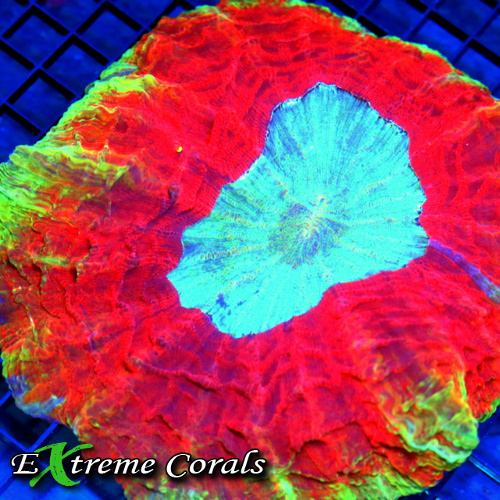
Learn how to quarantine new corals before adding them to your reef tank, including quarantine setup, lighting, flow, water parameters, coral dips, pest inspection and safe acclimation.
Learn how to quarantine corals before adding them to your reef tank, including pest inspection, coral dips, quarantine setup, water parameters and safe acclimation.
by Scott Shiles • May 01, 2026
Reef Tank Equipment, All Corals, Reef Tank Maintenance
Coral quarantine is one of the best ways to protect a reef tank from pests, diseases, nuisance algae, and preventable coral losses. New corals can look healthy when they arrive, but they may still carry flatworms, nudibranchs, pest anemones, eggs, algae, bacterial issues, or tissue damage that is not obvious at first glance.
Quarantining corals gives you time to observe, inspect, dip, treat, and stabilize new additions before they enter your main display. That extra step can prevent a small problem on one coral from becoming a major problem across an established reef tank.
At Extreme Corals, we know how valuable a mature reef aquarium can be, both financially and emotionally. This guide explains coral quarantine, including why it matters, how to set up a coral quarantine tank, what pests to watch for, how long to quarantine, when to use coral dips, how to inspect new arrivals, and how to safely move corals into your display. For more reef care help, you can also review our coral care guide, coral pests and predators guide, and coral placement guide.
Why Quarantine New Corals?
Quarantining new corals protects your main reef tank by giving you a controlled place to inspect and observe corals before they are added to the display. Even healthy-looking corals can carry small pests or eggs that may be difficult to spot during a quick inspection.
A coral quarantine system can help you:
- Inspect new corals more carefully before display placement.
- Watch for pests that appear after shipping stress fades.
- Use coral dips without exposing the main tank.
- Observe tissue health, polyp extension, and feeding response.
- Prevent pests from spreading to established colonies.
- Reduce the risk of introducing nuisance algae or hitchhikers.
Quarantine is especially important if you keep valuable LPS corals, SPS corals, Zoanthids, mushrooms, or mature coral colonies that would be difficult to replace.
Common Coral Pests to Watch For
Coral pests can be small, camouflaged, or hidden under frag plugs and skeleton edges. Some pests target specific coral groups, while others irritate many different corals.
Common pests and problem hitchhikers include:
- Aiptasia anemones: Fast-spreading pest anemones that can sting nearby corals.
- Montipora-eating nudibranchs: Small pests that can damage Montipora corals.
- Red planaria flatworms: Flatworms that can spread quickly and irritate coral tissue.
- Zoanthid-eating nudibranchs or spiders: Pests that can damage Zoanthids.
- Acropora pests: Flatworms and other pests that may affect Acropora corals.
- Vermetid snails: Irritating snails that cast mucus webs and can bother nearby corals.
- Nuisance algae: Algae that can spread from frag plugs or exposed skeleton.
- Parasitic snails: Small snails that may irritate certain coral types.
The safest approach is to assume every new coral deserves inspection, even when it comes from a trusted source. Good suppliers reduce risk, but quarantine gives you an extra layer of protection.
Diseases and Stress Signs to Watch For
Not every quarantine concern is a visible pest. Corals may also show stress from shipping, poor handling, tissue injury, bacterial infection, light shock, or unstable water. Quarantine makes it easier to watch these issues closely before the coral is placed near other corals.
Watch for:
- White spots, lesions, or tissue damage
- Brown jelly or slimy tissue decay
- Exposed skeleton or spreading recession
- Poor polyp extension
- Bleaching or fading
- Unusual growths or hitchhikers
- Algae growing around damaged tissue
- Failure to inflate or feed after settling
Some corals need time to recover from shipping and dipping, so one day of poor extension does not always mean disaster. Repeated decline, spreading tissue loss, or visible pests should be taken seriously.
How Long Should You Quarantine Corals?
A practical quarantine period for many new corals is 2-4 weeks. This gives enough time to observe pests, tissue health, polyp extension, and feeding response before the coral goes into the main display.
Some reef keepers quarantine longer for high-value SPS corals, Zoanthids, or corals with known pest risks. A longer quarantine gives more time for eggs to hatch and for hidden pests to become visible.
A good coral quarantine timeline may include:
- Day 1: Temperature acclimate, inspect, dip when appropriate, and place in quarantine.
- First week: Watch for pests, tissue damage, and acclimation stress.
- Week 2: Inspect again, especially under plugs, skeleton edges, and shaded areas.
- Weeks 3-4: Confirm stable extension, clean tissue, and no visible pest activity.
- Before display transfer: Reinspect, dip if appropriate, and acclimate to display conditions.
The more valuable or pest-sensitive your display is, the more quarantine discipline matters.
How to Set Up a Coral Quarantine Tank
A coral quarantine tank does not need to be complicated, but it does need to be stable. The goal is to provide clean water, suitable lighting, appropriate flow, and easy visibility for inspection.
Tank Size
A 10-20 gallon tank is enough for many coral quarantine setups. Smaller systems are easier to set up and observe, but they also require careful attention because salinity, temperature, and nutrients can change quickly.
Choose a tank that is easy to clean, easy to inspect, and large enough for the corals you normally purchase.
Lighting
Corals in quarantine still need appropriate lighting. The light does not have to be identical to the display, but it should be suitable for the coral types you quarantine. Low-light LPS and mushrooms do not need intense SPS-level lighting, while SPS frags may need stronger light after acclimation.
Use adjustable lighting when possible so new corals can start lower and acclimate gradually. For more help with intensity and spectrum, review our reef tank lighting guide.
Water Flow
Use gentle to moderate indirect flow in most coral quarantine systems. The goal is enough movement to prevent detritus buildup and keep tissue oxygenated without blasting freshly shipped or dipped corals.
SPS corals may need stronger indirect flow, while fleshy LPS corals such as Trachyphyllia, Acanthophyllia, and Lobophyllia need gentler movement.
Filtration
A simple hang-on-back filter, sponge filter, or small internal filter can work for coral quarantine when paired with regular water changes. Because quarantine tanks are often small, water quality can shift faster than in the display tank.
Useful quarantine filtration and support tools include:
- Small hang-on-back or sponge filter
- Heater with reliable temperature control
- Small powerhead or flow pump
- Frag rack or clean coral-safe surface
- Activated carbon when appropriate
- Test kits for salinity, temperature, alkalinity, nitrate, and phosphate
Keep the setup simple and easy to clean. A quarantine tank should support observation, not become a second complex display.
Coral Quarantine Water Parameters
Quarantine water should be stable and close to the display tank’s chemistry. Large differences between quarantine and display water can create stress when the coral is eventually moved.
| Parameter | Recommended Range |
|---|---|
| Temperature | 76-80°F for most corals |
| Salinity | 1.024-1.026 specific gravity |
| pH | 8.1-8.4 |
| Alkalinity | 8-10 dKH |
| Calcium | 400-450 ppm |
| Magnesium | 1250-1350 ppm |
| Nitrate | 2-10 ppm |
| Phosphate | 0.03-0.07 ppm |
Some sensitive corals may prefer slightly different conditions, but stability is the priority. Avoid large salinity swings, rapid alkalinity changes, unstable temperature, and excessive nutrient spikes in quarantine.
How to Inspect New Corals
Inspection should happen before the coral enters quarantine and again during the quarantine period. Many pests hide on the underside of plugs, along skeleton edges, inside crevices, or near damaged tissue.
Inspect carefully for:
- Egg clusters on plugs or skeleton
- Flatworms on coral tissue
- Nudibranchs around tissue edges
- Aiptasia or majano anemones
- Vermetid snail tubes
- Algae patches on plugs
- Dead skeleton or receding tissue
- Unusual crawling or moving organisms
A small flashlight, magnifying glass, turkey baster, and clean inspection container can make pests easier to see. Gently blasting the coral in a separate container may dislodge hidden pests before dipping.
Should You Dip Corals Before Quarantine?
Coral dips can help remove or kill many external pests, but they are not a complete replacement for quarantine. Some pests, eggs, and hidden organisms may survive dipping or appear later. That is why dipping and quarantine work best together.
Coral dipping tips:
- Follow the coral dip product directions exactly.
- Use a separate container, not the quarantine tank itself.
- Match temperature and salinity as closely as possible.
- Use gentle water movement during the dip when recommended.
- Rinse the coral in clean saltwater before placing it in quarantine.
- Never dip corals longer or stronger than product directions suggest.
Some corals are more sensitive to dips than others. Delicate fleshy LPS corals, stressed corals, and freshly damaged corals should be handled carefully. When in doubt, prioritize gentle handling and observation.
Manual Pest Removal
Some pests are best removed manually before or during quarantine. Tweezers, a turkey baster, a soft brush used carefully on plugs only, and coral-safe tools can help remove visible hitchhikers.
Manual removal may help with:
- Aiptasia on removable frag plugs
- Vermetid snail tubes
- Algae on frag plugs
- Visible nudibranchs
- Egg clusters on non-living surfaces
- Large hitchhikers or problem crabs
Avoid scraping or brushing living coral tissue. If a plug is heavily contaminated, some reef keepers remove the coral from the plug and remount it to a clean frag plug when the coral type allows it.
Quarantine-Only Treatments
Some treatments should never be used in a display reef tank because they may harm invertebrates, biological filtration, or sensitive corals. A quarantine system gives you a safer place to treat specific problems when needed.
Before using any treatment:
- Identify the problem as accurately as possible.
- Research whether the treatment is coral-safe.
- Follow product directions exactly.
- Use treatment only in quarantine unless it is specifically reef-safe for display use.
- Watch coral response closely after treatment.
Do not treat blindly. Many coral problems come from stress, flow, lighting, or water quality rather than a pest or disease that needs medication.
Acclimating Corals From Quarantine to the Display Tank
After the quarantine period, corals should be moved into the display carefully. Even if the quarantine tank is healthy, lighting, flow, and water chemistry may still differ from the main tank.
Safe transfer steps include:
- Inspect the coral one final time.
- Confirm no pests, eggs, tissue decay, or nuisance algae are present.
- Match temperature and salinity closely.
- Place the coral in a suitable display zone for light and flow.
- Use light acclimation when moving into stronger lighting.
- Avoid placing new corals too close to aggressive neighbors.
Drip acclimation may be useful when quarantine and display water chemistry differ, but avoid excessively long acclimation if temperature drops or the coral is stressed. The safest method depends on how different the two systems are.
Where to Place Corals After Quarantine
Quarantine only protects the tank from pests and disease. The coral still needs the right placement in the main reef aquarium. A coral that passes quarantine can still struggle if it is placed in too much light, too much flow, or too close to aggressive neighbors.
Placement reminders:
- SPS corals often need stronger light and stronger indirect flow.
- Many LPS corals prefer moderate light and moderate indirect flow.
- Fleshy sandbed corals often prefer lower light and gentle flow.
- Soft corals and mushrooms may spread and should be placed with control in mind.
- Aggressive LPS corals need room for sweeper tentacles.
For a complete placement strategy, review our coral placement guide.
Preventing Coral Diseases and Pest Problems Long Term
Quarantine is one of the strongest prevention tools, but it works best when combined with good long-term reef keeping habits.
Helpful prevention practices include:
- Buy corals from reputable sources.
- Inspect every coral before it enters the display.
- Use coral dips appropriately.
- Quarantine high-risk or high-value corals.
- Keep water parameters stable.
- Maintain good flow and avoid dead spots.
- Remove nuisance algae from plugs before display placement.
- Watch new corals closely after they enter the main tank.
Healthy coral selection, stable husbandry, and pest prevention all work together. Quarantine gives you time to catch problems before they become display-tank problems.
Common Coral Quarantine Mistakes to Avoid
Skipping Quarantine Because the Coral Looks Healthy
Many pests are small, hidden, or egg-based. A coral can look healthy and still carry problems that appear later.
Using Too Much Light Too Quickly
New corals are often stressed from shipping and handling. Start with appropriate lower to moderate light and acclimate gradually.
Blasting Corals With Flow
Quarantine flow should keep corals clean without tearing tissue or preventing normal expansion.
Dipping Too Strong or Too Long
Coral dips should be used according to directions. Stronger or longer is not safer and may damage stressed coral tissue.
Ignoring Frag Plugs
Frag plugs can carry algae, eggs, pest anemones, or hitchhikers. Inspect plugs and bases carefully, not just the coral tissue.
Letting Quarantine Water Become Unstable
Small quarantine tanks need testing and water changes. Poor quarantine water can stress corals and make it harder to judge their health.
Related Corals and Reef Tank Topics You May Also Like
If you are setting up a coral quarantine process, these related guides and categories can help you protect your reef tank and choose healthier corals:
- Coral Pests and Predators Guide - Learn how to identify common coral pests and warning signs.
- Coral Placement Guide - Place quarantined corals correctly in the display tank.
- Coral Care Myths - Avoid common mistakes that stress new corals.
- Reef Tank Technology Guide - Use smart tools to improve stability and monitoring.
- Reef Tank Water Parameters Guide - Keep quarantine and display water stable.
- New Arrival Corals - Browse recently added corals for your reef tank.
- Scott's Handpicked Corals - Explore standout corals selected for color and quality.
- Coral Care Guides - Browse coral care resources for reef tank success.
Shop Healthy Corals With Quarantine in Mind
Coral quarantine is not about fear. It is about protecting the reef tank you have worked hard to build. A simple quarantine system, careful inspection, appropriate coral dips, and patient observation can help prevent pests and diseases from spreading through your display.
Browse new arrival corals, LPS corals, SPS corals, soft corals, and Zoanthids at ExtremeCorals.com to find corals that fit your reef tank, quarantine process, and experience level.
Frequently Asked Questions About Coral Quarantine
Do I need to quarantine new corals?
Quarantine is strongly recommended because new corals can carry pests, eggs, nuisance algae, or tissue issues even when they look healthy at first.
How long should I quarantine corals?
Many reef keepers quarantine corals for 2-4 weeks. Longer quarantine may be useful for high-value corals or coral types with known pest risks.
What size tank do I need for coral quarantine?
A 10-20 gallon tank works for many coral quarantine setups, depending on the number and size of corals being observed.
Should I dip corals before quarantine?
Coral dips can help reduce pests, but they are not a replacement for quarantine. Dips and observation work best together.
What pests should I look for on new corals?
Watch for Aiptasia, flatworms, nudibranchs, pest snails, eggs, nuisance algae, vermetids, and coral-specific pests such as Montipora-eating nudibranchs or Zoanthid pests.
Can coral pests survive dipping?
Some pests or eggs may survive dipping, which is why quarantine and repeated inspection are important before display placement.
Do corals need light in quarantine?
Yes, corals need appropriate lighting in quarantine. Use suitable intensity for the coral type and acclimate gradually if display lighting is stronger.
Can I put quarantined corals straight into the display?
After quarantine, inspect the coral again, match temperature and salinity closely, place it in the correct light and flow zone, and avoid aggressive neighboring corals.
About the Author
Scott Shiles is the owner of ExtremeCorals.com, which he has operated for over 25 years and is recognized as one of the early dedicated live coral websites on the internet. A lifelong reef keeper since 1984, Scott has decades of hands-on experience maintaining marine aquariums and previously owned and operated a brick and mortar aquarium retail store for 10 years, including five years alongside Extreme Corals. He holds a degree in Marine Biology and has personally selected and sold hundreds of thousands of live corals. An avid scuba diver who has explored reef systems around the world, Scott shares practical coral care and husbandry knowledge based on real world reef experience.
overall rating:
my rating:
log in to rate
Please log in to leave a comment.
For more information visit: additional resources