My Cart: 0 item(s)

Extreme Corals News and Updates
Reef Tank Water Testing Guide: Essential Parameters for Healthy Live Corals
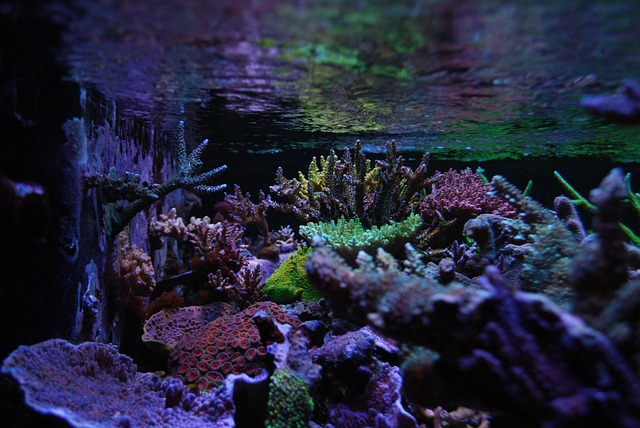
A comprehensive Extreme Corals guide to reef tank water testing, including salinity, temperature, pH, alkalinity, calcium, magnesium, nitrate, phosphate, ammonia, nitrite, testing schedules, and coral-safe stability tips.
Learn reef tank water testing for healthy live corals, including salinity, pH, alkalinity, calcium, magnesium, nitrate, phosphate, ammonia, nitrite and coral-safe stability tips.
by Scott Shiles • May 13, 2026
All Corals, Reef Tank Maintenance
Testing reef tank water is one of the most important habits in coral keeping because corals depend on stable salinity, temperature, alkalinity, calcium, magnesium, nitrate, phosphate, and pH to stay healthy. A reef aquarium can look beautiful from the outside, but the real condition of the system is often revealed through water testing. When parameters are stable, corals are more likely to open fully, hold color, grow new skeleton, and recover from normal stress. When parameters swing or drift out of range, corals usually show it through poor extension, fading color, tissue recession, algae issues, or slow growth.
Here at Extreme Corals, we have cared for, selected, photographed, shipped, and sold live corals for decades, and in our experience, reef keepers who test their water consistently have a much better chance of long-term success. Testing does not have to be complicated, but it does need to be consistent. A single test number is useful, but a trend is even more valuable. When you know how your tank normally behaves, you can catch problems before they damage your corals.
This complete reef tank water testing guide explains which parameters matter most, how often to test them, what ranges many reef tanks do well in, how salinity, alkalinity, calcium, magnesium, nitrate, phosphate, pH, temperature, ammonia, and nitrite affect corals, and how to use test results without overreacting. If you are building a healthier reef tank, start with our coral care guide, browse our new arrival corals, and review our reef tank water parameters guide.
Why Water Testing Matters in a Reef Tank
A reef tank is a closed system. In the ocean, corals live in an enormous body of water with constant movement and natural dilution. In a home aquarium, every feeding, water change, dosing adjustment, evaporation event, livestock addition, coral growth spurt, and maintenance mistake can affect the chemistry of the water.
Water testing helps reef keepers understand what is happening before problems become obvious. By the time corals are closed, faded, receding, or covered in algae, the tank may have been unstable for days or weeks. Regular testing gives you warning signs earlier.
Testing helps you:
- Keep salinity stable
- Prevent alkalinity swings
- Support LPS and SPS coral skeleton growth
- Control nitrate and phosphate
- Catch ammonia or nitrite problems in new tanks
- Understand coral color and growth changes
- Make water changes and dosing more accurate
- Avoid guessing when corals look stressed
In our experience, reef keepers often get into trouble when they make changes without testing. Guessing can create bigger swings than the original problem.
The Most Important Reef Tank Parameters to Test
Not every reef tank needs the same testing schedule, but most coral systems should pay attention to the same core parameters. These numbers help explain whether the tank is stable enough for live corals.
| Parameter | General Reef Tank Range | Why It Matters |
|---|---|---|
| Temperature | 76-80°F | Controls coral metabolism and stress response |
| Salinity | 1.024-1.026 specific gravity | Protects coral tissue and invertebrates from osmotic stress |
| pH | 8.1-8.4 | Supports reef chemistry, coral health, and calcification |
| Alkalinity | 8-10 dKH for many mixed reefs | Supports pH stability and stony coral skeleton growth |
| Calcium | 400-450 ppm | Needed for LPS and SPS coral skeleton growth |
| Magnesium | 1250-1350 ppm | Helps stabilize calcium and alkalinity balance |
| Nitrate | 2-10 ppm for many mixed reefs | Supports nutrient availability without excessive buildup |
| Phosphate | 0.03-0.07 ppm for many mixed reefs | Supports biology while helping limit algae pressure |
| Ammonia | 0 ppm in established reef tanks | Toxic to fish and coral at elevated levels |
| Nitrite | 0 ppm in established reef tanks | Useful for tracking cycle issues in newer systems |
These ranges are general guidelines, not rigid rules for every aquarium. Some successful reef tanks run slightly different numbers, but they usually succeed because the system is stable and the corals are adapted. Stability matters more than chasing perfect numbers.
How Often Should You Test Reef Tank Water?
Testing frequency depends on the tank’s age, coral load, dosing method, and how stable the system is. A new reef tank or a tank with lots of stony corals should usually be tested more often than a mature soft coral system with low mineral demand.
A practical testing schedule for many reef keepers looks like this:
- Temperature: daily observation or controller monitoring
- Salinity: at least weekly and before water changes
- Alkalinity: 2-3 times per week in stony coral tanks, weekly in lower-demand systems
- Calcium: weekly or biweekly depending on coral demand
- Magnesium: weekly to monthly depending on stability
- Nitrate: weekly or biweekly
- Phosphate: weekly or biweekly
- Ammonia and nitrite: during cycling, after emergencies, or when livestock appears stressed
- pH: periodically or continuously if using a monitor
In our experience, alkalinity deserves special attention in tanks with LPS and SPS corals. It can change faster than many reef keepers expect, especially as corals grow and consume more.
Salinity Testing: The Foundation of Reef Stability
Salinity is one of the first things every reef keeper should learn to test accurately. Corals, fish, shrimp, snails, and other invertebrates are all affected by salinity. Even small swings can cause stress, especially when they happen repeatedly.
Most reef aquariums are kept around 1.024-1.026 specific gravity. The exact target is less important than consistency. A reef tank that stays stable at 1.025 is usually better than one drifting between 1.022 and 1.027.
Good salinity testing habits include:
- Use a calibrated refractometer or reliable digital meter.
- Check calibration regularly.
- Test new saltwater before water changes.
- Top off evaporation with RO/DI freshwater, not saltwater.
- Check salinity after equipment problems or auto top-off failures.
Evaporation removes freshwater but leaves salt behind, so salinity rises when water evaporates. For more water change and top-off help, read our saltwater aquarium water change guide.
Temperature Testing and Stability
Temperature affects coral metabolism, oxygen demand, bacterial activity, and bleaching risk. Sudden temperature changes can stress corals quickly. Heat spikes are especially dangerous because they can disrupt the coral’s relationship with the symbiotic algae living inside its tissue.
Many reef tanks do well around 76-80°F. The goal is to keep the temperature stable rather than allowing large daily swings.
Good temperature habits include:
- Use a reliable thermometer or temperature controller.
- Check heaters regularly.
- Watch summer heat and room temperature changes.
- Avoid placing tanks near windows or vents with extreme swings.
- Match new water temperature during water changes.
If corals suddenly look stressed after a hot day, equipment failure, or heater malfunction, temperature should be one of the first things you check.
pH Testing in Reef Tanks
pH measures how acidic or basic the water is. In reef aquariums, pH is influenced by alkalinity, gas exchange, carbon dioxide in the room, photosynthesis, nighttime respiration, and overall tank chemistry. Many reef tanks naturally have a daily pH swing, usually lower at night and higher during the light cycle.
A common pH range for many reef tanks is 8.1-8.4. If pH is slightly lower but stable and corals look healthy, do not panic. It is usually better to understand why pH is low than to dump in additives chasing a number.
Low pH may be influenced by:
- High carbon dioxide in the room
- Poor gas exchange
- Low alkalinity
- Heavy biological activity
- Limited surface agitation
Improving airflow, surface agitation, skimmer air intake, and alkalinity stability can often help pH more safely than aggressive chemical correction.
Alkalinity Testing: One of the Most Important Coral Tests
Alkalinity is one of the most important parameters for coral health, especially in tanks with LPS and SPS corals. Alkalinity helps stabilize pH and provides carbonate needed for stony corals to build skeleton.
Many mixed reef tanks do well around 8-10 dKH, but stability matters more than the exact number. A reef tank that stays at 8.3 dKH consistently is often healthier than one bouncing between 7 and 10 dKH.
Alkalinity instability can cause:
- SPS tissue recession
- Burnt tips in sensitive SPS corals
- LPS corals pulling away from skeleton
- Poor polyp extension
- Reduced coral growth
- Greater sensitivity to lighting and nutrient changes
At Extreme Corals, alkalinity is one of the first things we think about when stony corals are struggling. If you keep Torch Corals, Hammer Corals, Frogspawn Corals, Acropora, Montipora, chalices, or other stony corals, alkalinity testing should be part of your routine.
Calcium Testing for LPS and SPS Coral Growth
Calcium is essential for stony corals because they use it to build their calcium carbonate skeletons. LPS and SPS corals both depend on calcium, although fast-growing SPS systems may consume it more quickly.
A general calcium range for many reef tanks is 400-450 ppm. Calcium should be tested regularly in tanks with stony corals, especially if coral growth increases or if you are dosing two-part, kalkwasser, or using a calcium reactor.
Low calcium can contribute to:
- Slower stony coral growth
- Reduced skeletal development
- Difficulty maintaining balanced chemistry
High calcium is not usually helpful if alkalinity and magnesium are out of balance. Reef chemistry works as a system. Do not correct calcium without also understanding alkalinity and magnesium.
Magnesium Testing and Why It Matters
Magnesium helps stabilize the relationship between calcium and alkalinity. If magnesium is too low, it can become harder to maintain calcium and alkalinity properly. Magnesium is often overlooked because it changes more slowly, but it is still important.
A general magnesium range for many reef tanks is 1250-1350 ppm. In many systems, magnesium can be tested weekly, biweekly, or monthly depending on how stable the aquarium is.
Magnesium problems may contribute to:
- Difficulty keeping calcium stable
- Difficulty keeping alkalinity stable
- Poor stony coral growth
- Imbalanced reef chemistry
If calcium and alkalinity are hard to maintain, magnesium should be checked before making large dosing changes.
Nitrate Testing: Not Too High, Not Zero
Nitrate is often misunderstood. High nitrate can contribute to algae problems and stress in some corals, but zero nitrate can also be a problem. Corals need nutrients. Many mixed reef tanks do better with measurable nitrate rather than completely stripped water.
A general nitrate range for many mixed reef systems is 2-10 ppm. Some soft coral and LPS systems may tolerate slightly higher levels, while many SPS systems are kept more controlled. The right number depends on coral response, phosphate, feeding, export, and overall tank balance.
Low or zero nitrate may contribute to:
- Pale SPS corals
- LPS corals losing fullness
- Zoanthids shrinking or closing
- Mushrooms looking flat or stressed
- Higher sensitivity to strong lighting
High nitrate may contribute to:
- Nuisance algae
- Darker or browner coral color
- Reduced SPS performance
- General nutrient imbalance
For more detail, read our guide to nitrates in reef tanks.
Phosphate Testing and Coral Health
Phosphate is another nutrient that must be balanced. Corals need some phosphate, but too much can fuel algae and create problems in stony coral systems. Too little phosphate can starve corals and contribute to pale tissue or instability.
A general phosphate range for many mixed reef tanks is 0.03-0.07 ppm. Some systems may run slightly higher or lower, but the key is to avoid extremes and rapid changes.
Low or zero phosphate may contribute to:
- Pale corals
- Reduced tissue fullness
- Poor recovery under strong lighting
- Dinoflagellate risk in some systems
High phosphate may contribute to:
- Algae growth
- Reduced calcification in sensitive stony corals
- Brown or dull coral appearance
- Difficulty maintaining a clean display
When lowering phosphate, go slowly. Rapid phosphate drops can stress corals, especially SPS and sensitive LPS corals.
Ammonia and Nitrite Testing
Ammonia and nitrite are most important when cycling a new saltwater aquarium, after livestock deaths, after major biological disruption, or when something has gone seriously wrong. In an established reef tank, ammonia and nitrite should normally test at zero.
Ammonia is toxic and should be taken seriously. If ammonia appears in an established reef tank, look for a cause such as dead livestock, overfeeding, filter failure, medication misuse, disturbed substrate, or a biological filtration problem.
Test ammonia and nitrite when:
- Cycling a new tank
- Adding livestock to a young system
- Fish or corals suddenly look stressed
- Something dies in the aquarium
- Filtration was disrupted
- A major cleaning disturbed old debris or sand
Do not add sensitive corals to a tank that is not fully cycled and stable.
Testing Water Before Adding New Corals
Before adding new live corals, test the tank. A coral may be healthy when it arrives, but it still needs a stable environment. Testing before purchase or arrival helps you avoid adding coral into a tank that is already unstable.
Before adding new corals, check:
- Salinity
- Temperature
- Alkalinity
- Calcium and magnesium for stony corals
- Nitrate and phosphate
- Ammonia in newer or questionable systems
- pH if the tank has had stability issues
This is especially important before adding higher-value corals such as Torch Corals, Hammer Corals, chalices, Acropora, Montipora, and collector mushrooms.
Testing Water After Water Changes
Water changes can help stabilize a reef tank, but only if the new saltwater is properly mixed and matched. Testing before and after water changes can help you understand how much the change affected the tank.
Before adding new saltwater, test:
- Salinity
- Temperature
- Alkalinity for larger water changes
After the water change, check the tank if:
- The water change was large
- Corals look irritated
- New salt mix was used
- You are trying to correct a nutrient problem
- You suspect salinity or alkalinity changed
A water change should feel like a controlled refresh, not a chemistry shock. Our reef tank water change guide explains this process in more detail.
Do Not Chase Numbers Too Aggressively
Testing is important, but overreacting to test results can be just as dangerous as not testing at all. Corals do not like sudden swings. If a parameter is slightly outside your preferred range but the tank is stable and corals look healthy, make corrections slowly.
Avoid these common testing mistakes:
- Changing alkalinity too quickly
- Dropping phosphate rapidly with aggressive media use
- Raising salinity too fast
- Adding multiple supplements at once
- Correcting based on one questionable test result
- Ignoring coral behavior and only watching numbers
When a result looks strange, retest before making a major correction. Test kits can expire, reagents can be contaminated, and user error can happen.
Track Trends, Not Just Single Test Results
The most useful reef keepers do not just test; they track. A single alkalinity reading tells you where the tank is today. A week of readings tells you whether the tank is stable, rising, or falling. Trends help you understand consumption, dosing needs, nutrient buildup, and maintenance timing.
Track water test results in:
- A notebook
- A spreadsheet
- An aquarium app
- A whiteboard near the tank
- Your controller or monitoring system if available
Tracking is especially helpful for alkalinity, calcium, magnesium, nitrate, phosphate, salinity, and pH. If corals start changing, your testing history can help identify what happened.
Testing for Different Coral Systems
Different reef tanks need different testing priorities. A soft coral tank usually has different demand than an SPS-dominant reef.
Soft Coral Tanks
Soft coral tanks usually need stable salinity, temperature, pH, nitrate, phosphate, and general reef chemistry. They may not consume calcium and alkalinity as quickly as stony coral systems, but water stability still matters. Browse our soft corals and read our Clove Polyps guide.
LPS Coral Tanks
LPS coral tanks need stable salinity, alkalinity, calcium, magnesium, nitrate, phosphate, and moderate nutrients. Fleshy LPS corals can react poorly to alkalinity swings, direct flow, and nutrient starvation. Browse our LPS corals.
SPS Coral Tanks
SPS coral tanks require the most consistent testing. Alkalinity, calcium, magnesium, nitrate, phosphate, salinity, temperature, lighting, and flow all matter. SPS systems often need more frequent alkalinity testing because consumption can change as colonies grow. Browse our SPS corals and read our SPS coral guide.
Common Water Testing Mistakes
Water testing only helps if the results are accurate and interpreted correctly. Many reef keepers make mistakes that lead to bad decisions.
Common testing mistakes include:
- Using expired test kits
- Not calibrating refractometers
- Testing at random times and comparing results unevenly
- Not rinsing test vials properly
- Reading color charts under poor lighting
- Making large corrections from one questionable result
- Testing only after corals are already stressed
- Ignoring trends over time
Good testing is a habit. Do it carefully, record results, and make slow corrections.
Our Practical Reef Water Testing Advice at Extreme Corals
At Extreme Corals, our practical advice is simple: test regularly, track trends, keep salinity and alkalinity stable, and do not chase numbers aggressively. Reef tanks thrive through stability, not panic corrections.
Our water testing rules are:
- Test salinity with a calibrated tool.
- Watch alkalinity closely in LPS and SPS tanks.
- Keep nitrate and phosphate measurable but controlled.
- Test new saltwater before larger water changes.
- Retest unusual results before making major corrections.
- Track trends instead of relying on memory.
- Observe coral behavior along with test numbers.
- Make changes slowly whenever possible.
Water testing is not about creating a perfect-looking chart. It is about learning how your tank behaves and keeping corals stable enough to thrive.
Related Reef Tank Water Quality and Coral Care Guides
If you are improving reef tank water quality, these related guides and categories can help:
- Reef Tank Water Parameters Guide - Learn the major water parameters for coral health.
- Saltwater Aquarium Water Change Guide - Learn how to change water safely.
- Nitrates in Reef Tanks - Understand why balanced nutrients matter.
- Live Coral Care Guide - Build a better foundation for coral success.
- Best Reef Tank Lighting Guide - Match lighting to coral needs.
- Water Flow and Coral Health - Improve flow and oxygen exchange.
- New Arrival Corals - Browse recently added live corals.
- Scott's Handpicked Corals - See standout corals selected for color and quality.
Shop Healthy Corals for Stable Reef Tanks
Good water testing helps reef keepers make better decisions. When salinity, alkalinity, calcium, magnesium, nitrate, phosphate, temperature, and pH stay stable, corals have a better chance to open, color up, grow, and recover from normal stress. Testing is not exciting, but it is one of the strongest habits behind successful reef tanks.
Browse new arrival corals, new coral frags, new coral colonies, LPS corals, SPS corals, soft corals, Zoanthids, and Scott's Handpicked Corals at ExtremeCorals.com to choose healthy corals for your reef aquarium.
Frequently Asked Questions About Reef Tank Water Testing
How often should I test reef tank water?
Many reef tanks should test salinity weekly, alkalinity weekly or several times per week in stony coral tanks, nitrate and phosphate weekly or biweekly, and calcium and magnesium regularly depending on coral demand.
What are the most important reef tank parameters to test?
The most important reef tank parameters include salinity, temperature, alkalinity, calcium, magnesium, nitrate, phosphate, pH, ammonia, and nitrite depending on tank age and coral type.
What salinity should a reef tank be?
Many reef tanks are kept around 1.024-1.026 specific gravity. Stability is more important than chasing a constantly changing number.
What alkalinity is best for corals?
Many mixed reef tanks do well around 8-10 dKH. The most important factor is keeping alkalinity stable rather than allowing sudden swings.
What nitrate level is best for a reef tank?
Many mixed reef tanks do well with nitrate around 2-10 ppm. Zero nitrate can stress some corals, while excessive nitrate may fuel algae and affect coral color.
What phosphate level is best for a reef tank?
Many mixed reef tanks do well with phosphate around 0.03-0.07 ppm. The goal is measurable but controlled phosphate, not extreme highs or zero.
Should ammonia be zero in a reef tank?
Yes, ammonia should be zero in an established reef tank. If ammonia appears, check for dead livestock, overfeeding, filtration problems, or biological disruption.
Why do my test results keep changing?
Test results may change because of evaporation, dosing, coral growth, feeding, water changes, nutrient buildup, equipment changes, or testing error. Tracking trends helps identify the cause.
Should I test new saltwater before a water change?
Yes, new saltwater should be tested for salinity and temperature before use. For larger water changes, alkalinity should also be checked to avoid shocking corals.
Can I hurt corals by correcting water parameters too fast?
Yes, rapid corrections can stress corals. It is usually safer to retest unusual results and make slow adjustments unless there is an emergency.
About the Author
Scott Shiles is the owner of ExtremeCorals.com, which he has operated for over 25 years and is recognized as one of the early dedicated live coral websites on the internet. A lifelong reef keeper since 1984, Scott has decades of hands-on experience maintaining marine aquariums and previously owned and operated a brick and mortar aquarium retail store for 10 years, including five years alongside Extreme Corals. He holds a degree in Marine Biology and has personally selected and sold hundreds of thousands of live corals. An avid scuba diver who has explored reef systems around the world, Scott shares practical coral care and husbandry knowledge based on real world reef experience.
overall rating:
my rating:
log in to rate
Please log in to leave a comment.
For more information visit: additional resources