My Cart: 0 item(s)

Extreme Corals News and Updates
Jawbreaker Mushroom Coral Guide: Colors, Care, Growth and Collector Appeal
Learn why Jawbreaker mushrooms are so prized in reef tanks, how to care for them, what makes them valuable, and how to keep their colors and growth on track.
Learn why Jawbreaker mushroom corals are so popular, how to care for them, and what lighting, flow, growth, and water conditions help them thrive in reef tanks.
by Scott Shiles • May 14, 2026
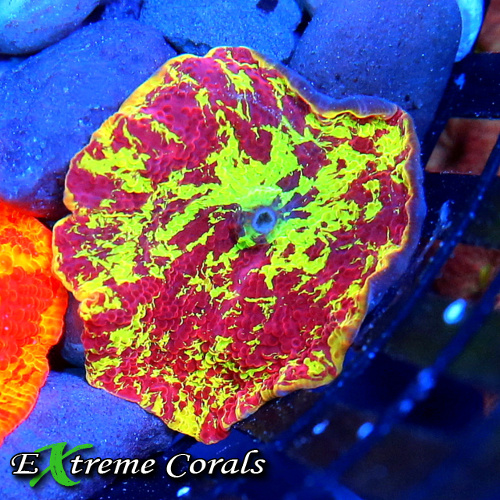
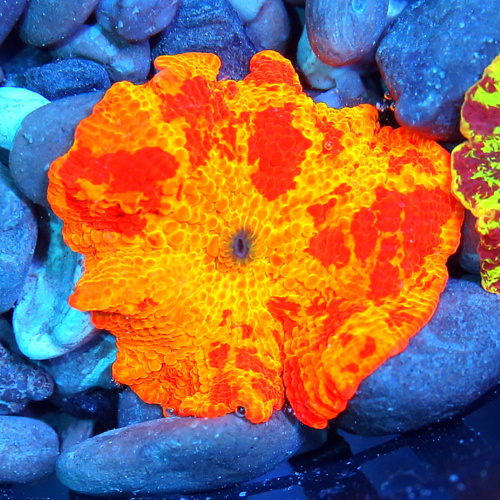
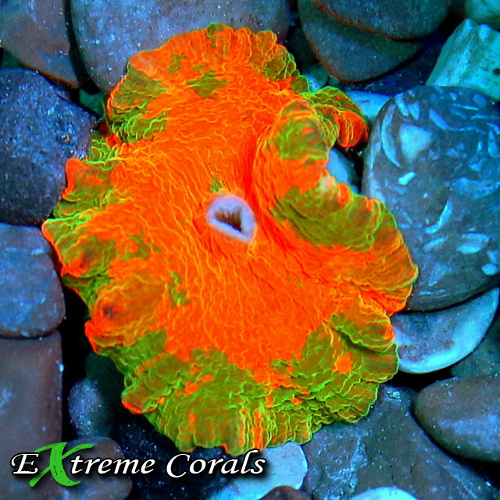
Few corals attract attention in a reef tank quite like the Jawbreaker mushroom. With fiery reds, oranges, and yellows spreading across a bright green base, Jawbreakers are among the most recognizable and desirable mushroom corals in the hobby. Their shifting colors, collector appeal, and unmistakable look have made them one of the true showpieces of modern reefkeeping.
What makes Jawbreaker mushrooms even more appealing is that they combine rarity and beauty with relatively manageable care. They are not just collector corals for advanced reef keepers. In the right setup, they can also be a realistic option for hobbyists who want a high-end coral that does not demand intense light or heavy flow. With patience, stable conditions, and good placement, Jawbreakers can become one of the most rewarding corals in the tank.
Looking to add a standout mushroom coral to your reef tank? Browse our latest Jawbreaker mushrooms and explore WYSIWYG collector pieces for your aquarium.
What Makes Jawbreaker Mushrooms So Special?
Jawbreaker mushrooms, generally identified in the hobby as Discosoma sp., are prized because no two look exactly alike. Their color pattern can evolve over time, with reds deepening, oranges becoming brighter, and in some cases even blue or purple tones emerging. That changing appearance gives them a collector quality that few other mushroom corals can match.
For many hobbyists, the appeal comes down to three things:
- Strong multicolor contrast
- A unique pattern that can continue developing with age
- A true centerpiece look in both nano and larger reef tanks
Unlike more common mushrooms that blend into the aquascape, Jawbreakers often become one of the first corals people notice in the tank.
Why Jawbreaker Mushrooms Became So Popular
Jawbreakers became highly desirable because they brought together rarity, color, and individuality in one coral. Reef hobbyists quickly recognized that these were not ordinary mushrooms. Their bold appearance, slow multiplication, and collector lineage made them stand out in a hobby that increasingly values named and visually distinctive corals.
They remain popular because:
- They are instantly recognizable
- They often hold strong resale and collector value
- Their colors can improve as they mature
- They suit a wide range of reef tank sizes
That combination has helped Jawbreakers stay desirable far longer than many short-lived coral trends.
Are Jawbreaker Mushrooms Beginner Friendly?
Yes, surprisingly, Jawbreaker mushrooms can be fairly beginner friendly. Even though they look exotic and expensive, they are relatively hardy compared with many high-end SPS and LPS corals. They generally prefer lower-energy conditions, which makes them easier to place in many reef tanks.
They are often a good fit for:
- Nano tanks
- Shaded or lower-light areas of larger tanks
- Reef keepers who want a premium coral without extreme care demands
Their slow, manageable growth also makes them less stressful to own than fast-spreading corals that can quickly take over rockwork.
Jawbreaker Mushroom Care Basics
Jawbreaker mushrooms are generally happiest in stable, lower-energy reef conditions. They do not need intense light or heavy flow, and in fact they often look better when protected from extremes.
- Lighting: Low to moderate intensity, with PAR around 50-100 as a strong starting point
- Flow: Low water movement to avoid tissue irritation
- Temperature: 76-78°F
- Salinity: 1.025
- Alkalinity: 8-10 dKH
- Calcium: 400-450 ppm
Because Jawbreakers are mushrooms, they usually do best when left in a comfortable spot and not moved around repeatedly. Stability matters more than constant adjustment.
If you are working on chemistry stability, read our guide on pH and alkalinity in reef tanks.
Lighting and Placement Tips
Jawbreakers usually thrive under low to moderate lighting. Too much intensity can stress the tissue or reduce the comfortable expansion that makes mushrooms look their best. Many reef keepers place them in lower sections of the rockwork or in partially shaded zones where they can settle in slowly.
- Start low and acclimate carefully
- Avoid sudden jumps into intense top-level light
- Use isolated rock or a frag plug when possible
- Give the coral room so it can expand fully
Placement on an isolated rock can also make future removal or propagation easier if the coral multiplies later on.
If you want to understand reef lighting better, read our guide on reef tank lighting.
Water Flow Requirements
Jawbreaker mushrooms prefer low flow. Strong water movement can cause tissue irritation and make it harder for the coral to stay comfortably expanded. A gentle surrounding current is usually enough to keep the coral clean without making it retract.
- Low indirect flow is usually ideal
- Avoid direct blasting from powerheads
- Too much flow can lead to tissue stress
- Gentle circulation helps maintain comfort without damage
As with many mushroom corals, the best flow is usually less than what many LPS or SPS corals would prefer.
If you want to learn more about circulation, read our guide on water flow and coral health.
Do Jawbreaker Mushrooms Need Feeding?
Jawbreaker mushrooms do not require direct feeding to survive, but occasional feeding can help encourage growth. Small foods such as micro-plankton or powdered coral foods may provide some benefit when used sparingly.
- Direct feeding is not required
- Occasional fine foods may help growth
- Do not overfeed
- Stable tank conditions usually matter more than frequent feeding
Because Jawbreakers are often kept for their color and long-term development, many hobbyists focus more on consistency than aggressive feeding schedules.
Growth and Propagation
Jawbreaker mushrooms multiply slowly, and that slow, deliberate growth is part of what helps keep them valuable. Mature specimens may split naturally or drop babies over time. Many hobbyists prefer to let them reproduce naturally rather than forcing propagation too early.
Propagation can be done through careful cutting, but patience is often the better strategy for collectors who want to preserve shape and value.
- They are generally slow growers
- Mature colonies may split or drop babies naturally
- Propagation is possible but usually approached carefully
- Placement on removable substrate can help later management
Their slower multiplication rate is one reason they remain so desirable in the reef hobby.
Why Jawbreakers Hold Collector Value
Jawbreaker mushrooms are often viewed as one of the crown jewels of the mushroom coral world because they combine rarity, beauty, and individuality. A high-quality Jawbreaker with strong lineage and dramatic color development is not just another coral. It is a collector piece.
That collector value is supported by:
- Unique appearance
- Slow growth and multiplication
- High-end lineage appeal
- Ongoing demand from reef hobbyists
For many reef keepers, owning a Jawbreaker is as much about appreciation and collecting as it is about basic coral care.
Why Shop Jawbreakers at ExtremeCorals.com?
At ExtremeCorals.com, Jawbreaker mushrooms are selected for strong coloration, quality, and visual impact. Because each piece is WYSIWYG, hobbyists know exactly which specimen they are getting. That matters especially with collector mushrooms, where individual pattern and color development are a major part of the appeal.
When shopping for a coral like this, seeing the exact specimen before purchase makes a real difference.
Related Corals You May Also Like
If you are interested in Jawbreaker mushrooms, you may also want to explore other unique and colorful corals for reef tanks:
- Shop Jawbreaker mushrooms
- Browse new arrival corals
- OG Bounce Mushroom guide
- Coral coloration guide
- Beginner’s guide to caring for live corals
Ready to add one of the hobby’s most coveted mushrooms to your reef tank? Shop our latest Jawbreaker mushrooms now and bring home a true collector coral.
Final Thoughts
Jawbreaker mushrooms earned their reputation because they offer something very few corals can match: intense color, one-of-a-kind patterning, manageable care, and true collector appeal. In the right reef tank, they can become one of the most admired corals in the entire display. For hobbyists who want a rare mushroom with real visual impact, Jawbreakers continue to stand near the top of the list.
Frequently Asked Questions
Q: Are Jawbreaker mushrooms beginner friendly?
A: Yes, often. They are relatively hardy and can adapt well to stable reef tank conditions.
Q: What lighting do Jawbreaker mushrooms need?
A: Low to moderate lighting is usually best, with PAR around 50-100 as a practical starting point.
Q: Do Jawbreaker mushrooms need heavy flow?
A: No. They usually prefer low water movement so the tissue does not become irritated.
Q: Why are Jawbreaker mushrooms so expensive?
A: They are valued for rarity, color development, slow multiplication, and collector demand.
Q: Can Jawbreaker mushrooms be propagated?
A: Yes. They can be propagated carefully, though many hobbyists prefer natural splitting and baby formation over time.
About the Author
Scott Shiles is the owner of ExtremeCorals.com, which he has operated for over 25 years and is recognized as one of the early dedicated live coral websites on the internet. A lifelong reef keeper since 1984, Scott has decades of hands-on experience maintaining marine aquariums and previously owned and operated a brick and mortar aquarium retail store for 10 years, including five years alongside Extreme Corals. He holds a degree in Marine Biology and has personally selected and sold hundreds of thousands of live corals. An avid scuba diver who has explored reef systems around the world, Scott shares practical coral care and husbandry knowledge based on real world reef experience.
overall rating:
my rating:
log in to rate
Please log in to leave a comment.
For more information visit: additional resources