My Cart: 0 item(s)

Extreme Corals News and Updates
Coral Health Signs: How to Tell if Your Reef Coral Is Thriving or Stressed
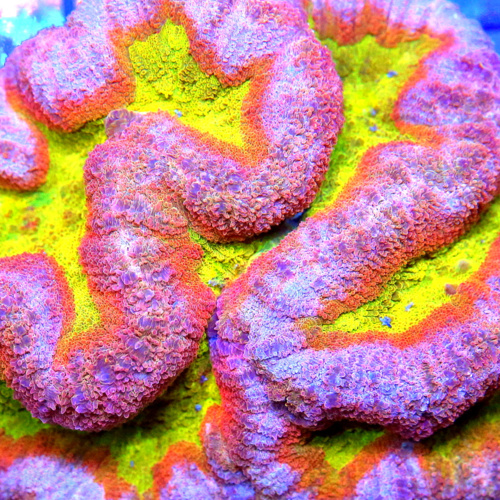
Learn how to read coral health signs in a reef tank, including color, polyp extension, tissue condition, growth patterns, and the most common signs of stress.
Learn how to tell if your coral is healthy or stressed with tips on color, polyp extension, growth, tissue recession, lighting, water quality, and reef tank stability.
by Scott Shiles • May 14, 2026
One of the most important reefkeeping skills is learning how to read your corals, because corals often show clear signs when they are healthy, declining, or under environmental stress. They may not communicate like fish, but they constantly signal their condition through color, tissue expansion, polyp extension, growth, and behavior. This guide explains the most important coral health indicators, the most common signs of stress, and what reef hobbyists can do to create a healthier and more stable environment.
For many reef keepers, coral problems do not begin with a sudden crash. They begin with subtle changes that are easy to miss at first. A coral may look slightly less colorful, stay retracted a little longer, or stop growing as quickly as it used to. When you learn to notice those early warning signs, it becomes much easier to correct problems before they turn into tissue loss, algae overgrowth, or major livestock decline.
Want to keep your reef tank healthier long term? Browse our new arrival corals and build your system around stable, coral-friendly conditions.
Why Reading Your Corals Matters
Corals are often the best indicators of how your reef tank is really doing. Test kits can tell you numbers, but corals show you how the system is functioning biologically over time.
- Color changes can reveal lighting or chemistry problems
- Polyp behavior can show whether flow and comfort are right
- Growth patterns can reflect long-term stability
- Tissue condition can reveal stress before a major decline happens
A reef tank that looks stable on paper may still have issues if the corals are clearly telling a different story. Learning to observe them closely is one of the biggest upgrades a hobbyist can make.
What a Healthy Coral Looks Like
Healthy corals usually show a combination of strong visual and behavioral signs that suggest the tank is meeting their needs.
Vivid Color
Rich, vibrant color often suggests the coral is doing well. Healthy pigment usually reflects strong tissue condition, stable zooxanthellae populations, and a reef environment that is reasonably balanced.
Polyp Extension
Extended polyps are often a sign that the coral is comfortable, feeding, and interacting normally with its environment. Good extension can also suggest that flow is appropriate for that species.
Growth and Spread
Healthy corals usually grow steadily over time. That might mean new branches, new heads, encrusting edges, or broader tissue expansion depending on the species.
Stable Attachment and Tissue Condition
Thriving corals usually remain attached firmly and show healthy tissue coverage over the skeleton or base. There should be no obvious tissue peeling, recession, or instability.
When a coral shows these signs consistently, it usually means the environment is working in its favor.
Common Signs of Coral Stress
Stressed corals often show warning signs before they decline severely. Catching those signs early is one of the best ways to protect your reef tank.
Fading or Discoloration
When corals lose color, it often suggests stress from lighting issues, water quality problems, or temperature instability. In more severe cases, bleaching can occur, leaving the coral pale or white.
Poor Polyp Extension
If polyps stay retracted or closed for long periods, the coral may be reacting to poor flow, bad lighting, aggressive neighbors, pests, or water instability.
Tissue Recession or Detachment
When tissue begins pulling back from the skeleton, it is a serious sign that the coral is under stress. This can be linked to bacterial issues, chemistry problems, physical irritation, or long-term environmental instability.
Slow Growth or No Growth
A coral that stops growing may be dealing with unsuitable conditions, poor nutrition, instability, or crowding. Growth is not always rapid, but long-term stagnation can be a warning sign.
Algae or Pest Pressure
If algae begins growing around stressed coral tissue, or if pests such as flatworms or nudibranchs appear, the coral may quickly decline further if the issue is not handled early.
What Usually Causes Coral Stress?
Coral stress usually comes from a handful of common reefkeeping problems. The cause is not always dramatic. Often, it is a combination of small issues building over time.
- Unstable water parameters
- Temperature swings
- Salinity fluctuations
- Too much or too little light
- Poor water flow or excessive direct flow
- Aggressive neighboring corals
- Pests or bacterial issues
- Overcrowding and shading
Once you identify the likely source of stress, the next step is to correct it carefully without causing even more instability.
How Color Can Help You Read Coral Health
Color is one of the easiest signals to notice, but it should be interpreted carefully. Not every color shift means the same thing.
- Rich color: often suggests good overall condition
- Paling: may point to light stress or instability
- Browning: can sometimes suggest lighting imbalance or nutrient shifts
- Bleaching: usually signals serious stress and immediate concern
Color changes are most useful when you compare the coral to its own normal appearance over time rather than relying only on general assumptions.
How Polyp Behavior Helps You Diagnose Problems
Polyp extension is one of the clearest real-time indicators of coral comfort.
- Fully extended polyps often suggest the coral feels safe and stable
- Constant retraction can point to stress or irritation
- Uneven extension may suggest directional flow or localized aggression
- Nighttime feeding behavior can also reveal coral health and response
Because different species behave differently, it helps to learn the normal behavior of each coral in your tank instead of expecting them all to look the same.
How Growth Patterns Reveal Long-Term Health
Growth is not always dramatic, but healthy corals usually show progress over time if conditions are good.
- SPS may show new branch tips or encrusting bases
- LPS may grow new heads or fuller tissue
- Soft corals may spread, branch, or multiply
- Zoanthids may open new polyps and expand colonies
When a coral stays healthy but shows no growth for a long period, it may be surviving rather than truly thriving.
How to Promote Better Coral Health
The best way to keep corals thriving is to build a stable environment that matches the needs of the species you keep.
Maintain Stable Water Parameters
Consistency is one of the most important factors in coral health. Stable temperature, salinity, alkalinity, calcium, magnesium, and nutrient levels usually matter more than chasing perfect numbers aggressively.
Use Appropriate Lighting
Different corals have different lighting needs. Matching each coral to suitable light intensity and spectrum is one of the best ways to reduce stress and improve color and growth.
Provide Proper Water Flow
SPS, LPS, soft corals, and zoanthids all respond differently to flow. Tailor movement to the coral rather than assuming one flow pattern works for the whole tank equally well.
Feed Corals Thoughtfully
Photosynthesis supports many corals, but supplemental feeding can also help depending on the species. The key is feeding in a way that supports the coral without harming water quality.
Quarantine New Additions
Quarantining new corals and fish can reduce the risk of pests, diseases, and unwanted algae making their way into the display tank.
When to Act Quickly
Some coral issues can wait for careful review, but others require fast action. You should move quickly if you see:
- Rapid tissue recession
- Severe bleaching
- Brown jelly or similar visible infection
- Major pest outbreaks
- Sudden system-wide changes affecting multiple corals
In these cases, waiting too long can turn one stressed coral into a broader tank problem.
The Best Habit: Watch Your Corals Daily
Daily observation is one of the most powerful reefkeeping habits. You do not need to stare at the tank for an hour. You just need to know what “normal” looks like for your corals and notice when that changes.
Healthy corals not only look better, they also help create a more balanced reef ecosystem. The more closely you watch them, the sooner you can respond when something is off.
Related Reef Tank Topics You May Also Like
If you want to improve your ability to read coral behavior and build a healthier reef tank, these related guides may also help:
- Coral care guide
- How to acclimate new corals
- pH and alkalinity in reef tanks
- LPS vs SPS corals
- Browse new arrival corals
Want healthier, more vibrant corals in your reef tank? Browse our new arrival corals and support them with stable reefkeeping habits that promote long-term health.
Final Thoughts
Corals are always giving feedback about the health of your reef tank. By paying attention to color, polyp extension, tissue condition, growth, and behavior, you can spot stress early and make smarter corrections before problems escalate. Healthy corals are not just beautiful. They are also one of the clearest signs that your reef ecosystem is working the way it should.
Frequently Asked Questions
Q: What does a healthy coral usually look like?
A: Healthy corals usually show strong color, good polyp extension, steady growth, and stable tissue attachment.
Q: What is the biggest sign of coral stress?
A: There is no single sign, but fading color, poor polyp extension, and tissue recession are some of the most important warning signs.
Q: Why is my coral losing color?
A: Common causes include lighting imbalance, temperature stress, poor water quality, and broader reef instability.
Q: Why is my coral staying closed?
A: It may be reacting to poor flow, lighting issues, aggressive neighbors, pests, or unstable water conditions.
Q: How can I improve coral health?
A: Focus on stable water parameters, correct lighting, proper flow, thoughtful feeding, and careful observation.
About the Author
Scott Shiles is the owner of ExtremeCorals.com, which he has operated for over 25 years and is recognized as one of the early dedicated live coral websites on the internet. A lifelong reef keeper since 1984, Scott has decades of hands-on experience maintaining marine aquariums and previously owned and operated a brick and mortar aquarium retail store for 10 years, including five years alongside Extreme Corals. He holds a degree in Marine Biology and has personally selected and sold hundreds of thousands of live corals. An avid scuba diver who has explored reef systems around the world, Scott shares practical coral care and husbandry knowledge based on real world reef experience.
overall rating:
my rating:
log in to rate
Please log in to leave a comment.
For more information visit: additional resources