My Cart: 0 item(s)

Extreme Corals News and Updates
Elegance Coral in Reef Tanks: How to Keep It Healthy, Expanded and Thriving
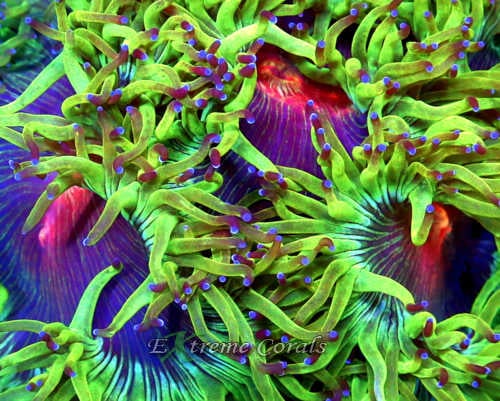
Learn how to care for Elegance coral in a reef tank with the right lighting, flow, placement, feeding, and stable water conditions for long-term success.
Learn how to care for Elegance coral in a reef tank with tips on lighting, flow, placement, feeding, water quality, and stress prevention for healthy long-term growth.
by Scott Shiles • February 24, 2023
Elegance coral is one of the most dramatic LPS corals in the reef hobby because of its long flowing tentacles, bold coloration, and unmistakable showpiece appearance. Known scientifically as Catalaphyllia, Elegance coral can become a centerpiece in a reef tank when its lighting, flow, feeding, and placement are handled correctly. This guide explains how to care for Elegance coral in a reef tank, including water parameters, lighting, water flow, feeding, maintenance, and the most common problems that affect long-term success.
For many reef keepers, Elegance coral is the kind of coral that instantly draws attention. Its tentacles sway in the current, its fleshy body expands beautifully when healthy, and it can add a high-end display look to a reef tank without needing a large colony to make an impact. At the same time, Elegance coral does best when the tank is stable and its placement is thoughtful, which is why consistent care matters so much.
Looking to add a flowing showpiece coral to your reef tank? Browse our LPS corals for sale and explore healthy corals for your aquarium.
What Is Elegance Coral?
Elegance coral is a large polyp stony coral prized for its large fleshy body and long extended tentacles. It is one of the most recognizable LPS corals because it creates motion and visual impact that can rival much larger colonies of other coral types.
In a reef tank, Elegance coral is often chosen by hobbyists who want a coral with a dramatic appearance and a softer, more animated look than many rigid stony corals provide. When healthy, it expands beautifully and becomes one of the most eye-catching corals in the entire aquarium.
Why Elegance Coral Is So Popular
- It has long, graceful tentacles that add movement
- It creates a strong centerpiece effect
- It often shows beautiful color contrast
- It works well in many LPS-focused reef tanks
- Healthy specimens have very high visual value
Elegance coral is especially attractive to reef keepers who want a coral that looks alive and dynamic throughout the day instead of staying compact or static.
Optimal Water Parameters
Stable water parameters are one of the most important parts of Elegance coral care. Like many fleshy LPS corals, Elegance usually responds better to stable conditions than to repeated corrections and parameter swings.
- Temperature: 75-80°F
- pH: 8.1-8.4
- Salinity: 1.023-1.025
- Calcium: maintain in a healthy reef range
- Alkalinity: keep stable and consistent
- Magnesium: maintain in a normal reef range
Regular water changes and routine testing help support these numbers and reduce the risk of stress-related problems. Stability is usually much more important than chasing the perfect reading on every test.
If you are working on chemistry consistency, read our guide on pH and alkalinity in reef tanks.
Proper Lighting
Elegance coral generally does best under moderate to moderately high lighting. It benefits from steady, suitable reef lighting, but harsh direct exposure to very intense light can stress the coral and increase the risk of bleaching.
- Lighting intensity: moderate to moderately high is usually best
- Placement under light: avoid forcing it into the harshest direct hotspot
- Acclimation: move it into stronger light gradually if needed
A slower light acclimation process is usually safer than sudden exposure. If the coral stays expanded and colorful, the lighting is often working well. If it pulls in too much or begins losing color, the light may be too intense or the coral may be stressed by another factor.
If you want to learn more about reef lighting, read our guide on how lighting affects coral growth.
Ideal Water Flow
Moderate water flow is one of the biggest keys to Elegance coral success. The coral needs enough movement to stay clean and receive nutrients, but too much direct flow can damage its flesh or prevent it from extending properly.
- Best flow: moderate indirect flow
- Avoid: harsh direct current from powerheads
- Too little flow: can allow debris to accumulate
- Too much flow: can stress tissue and reduce expansion
The best flow usually causes the tentacles to sway gently rather than whip hard in one direction. Elegance coral should look comfortable and full, not battered.
If you want to learn more about water movement, read our guide on water flow and coral health.
Placement in the Reef Tank
Elegance coral should be placed in an area where it has enough room to expand fully and enough distance from neighboring corals. Because it is fleshy and can extend well beyond its base, spacing matters more than many hobbyists expect.
- Give the coral open space around it
- Avoid aggressive nearby corals
- Do not wedge it into sharp rockwork that can damage tissue
- Choose a stable position where it will not need frequent moving
Many reef keepers have the best success placing Elegance coral in lower to middle zones, depending on the intensity of the lighting system and the flow pattern of the tank.
Feeding Requirements
Elegance coral is primarily photosynthetic and receives much of its energy from zooxanthellae, but it also benefits from supplemental feeding. Thoughtful feeding often helps support stronger tissue condition and long-term health.
- Diet: small pieces of meaty food such as shrimp or brine shrimp
- Frequency: about once a week is a practical starting point
- Method: feed gently and avoid oversized pieces
Feeding should support the coral, not overwhelm the tank. Overfeeding can reduce water quality and create bigger problems than it solves.
Regular Maintenance
Consistent maintenance helps keep Elegance coral thriving over time. Many problems with fleshy LPS corals begin with neglected water quality, detritus accumulation, or failure to notice early warning signs.
- Inspect regularly: look for damage, recession, or signs of disease
- Keep the area clean: remove detritus and buildup around the coral
- Monitor condition: watch how fully the coral expands day to day
Because Elegance coral is a fleshy showpiece coral, daily observation is one of the easiest ways to catch problems before they become severe.
Common Elegance Coral Problems
Tissue Recession
This is often linked to unstable parameters, physical irritation, poor placement, or disease-related stress.
Bleaching
Too much light too quickly can stress Elegance coral and wash out color.
Poor Expansion
If the coral remains withdrawn, common causes include improper flow, nearby aggression, unstable water quality, or recent handling stress.
Debris Accumulation
Weak flow or poor maintenance can allow detritus to collect around the coral, increasing irritation and stress.
How to Tell If Elegance Coral Is Healthy
- It stays expanded and full
- Tentacles move gently in the flow
- Color remains strong
- There is no obvious exposed skeleton from recession
- The coral responds well to stable placement and feeding
A healthy Elegance coral usually looks calm, full, and visually impressive. A coral that remains tight, damaged, or pale for too long is usually signaling a problem in its environment.
Best Tank Setup for Elegance Coral
Elegance coral usually does best in reef tanks with:
- Moderate to moderately high lighting
- Moderate indirect flow
- Stable water parameters
- Enough room for full expansion
- Consistent maintenance and observation
It is a strong choice for reef keepers who want a dramatic LPS showpiece and are willing to give it the stable conditions and space it needs.
Related Corals You May Also Like
If you are interested in Elegance coral, you may also want to explore other fleshy LPS corals and related reef tank guides:
- Browse LPS corals for sale
- Scolymia coral care guide
- Bubble coral care guide
- Euphyllia care requirements
- LPS corals overview
Ready to add a flowing showpiece coral to your reef tank? Browse our LPS corals for sale and explore healthy corals for your aquarium.
Shop Elegance Coral and LPS Corals
Explore our WYSIWYG LPS corals, new arrival corals, and featured corals to build a more colorful reef tank.
Final Thoughts
Elegance coral is one of the most beautiful and rewarding LPS corals you can keep when lighting, flow, placement, and water quality are balanced correctly. With stable care and regular observation, it can become a long-term showpiece that adds color, motion, and elegance to your reef tank.
Frequently Asked Questions
Q: Does Elegance coral need strong light?
A: Not usually. Elegance coral often does best under moderate to moderately high lighting rather than extreme direct intensity.
Q: Does Elegance coral need feeding?
A: Yes, supplemental feeding can help. It is photosynthetic, but small meaty foods offered weekly often support better long-term health.
Q: What flow is best for Elegance coral?
A: Moderate indirect flow is usually best because it keeps the coral clean without damaging fleshy tissue.
Q: Why is my Elegance coral not expanding?
A: Common causes include lighting stress, improper flow, unstable parameters, recent handling, or nearby aggression.
Q: Is Elegance coral easy to keep?
A: It can be manageable in a stable reef tank, but it still benefits from thoughtful placement, regular observation, and steady water quality.
About the Author
Scott Shiles is the owner of ExtremeCorals.com, which he has operated for over 25 years and is recognized as one of the early dedicated live coral websites on the internet. A lifelong reef keeper since 1984, Scott has decades of hands-on experience maintaining marine aquariums and previously owned and operated a brick and mortar aquarium retail store for 10 years, including five years alongside Extreme Corals. He holds a degree in Marine Biology and has personally selected and sold hundreds of thousands of live corals. An avid scuba diver who has explored reef systems around the world, Scott shares practical coral care and husbandry knowledge based on real world reef experience.
overall rating:
my rating:
log in to rate
Please log in to leave a comment.
For more information visit: additional resources