My Cart: 0 item(s)

Extreme Corals News and Updates
Micromussa Coral Care Guide: How to Grow Colorful Micro Lords in a Reef Tank
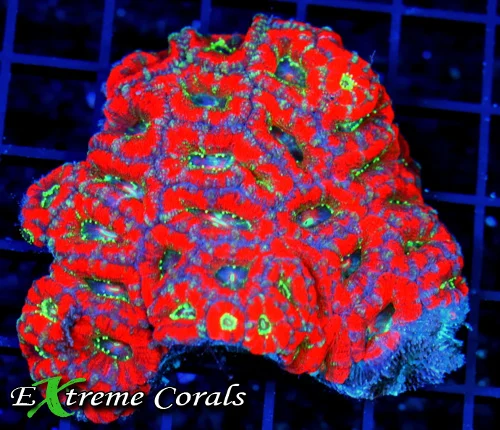
Learn how to care for Micromussa corals, also called Micro Lords, with practical reef tank guidance for lighting, flow, feeding, placement, water parameters, compatibility and long-term growth.
Learn Micromussa coral care for reef tanks, including lighting, flow, feeding, placement, water parameters, compatibility, growth, fragging and common stress signs.
by Scott Shiles • May 12, 2026
Micromussa corals, often called Micro Lords or Mini Brain Corals, are colorful large polyp stony corals that bring intense color, fleshy texture, and manageable care requirements to reef aquariums. Their compact polyps, encrusting growth, and wide range of red, orange, blue, green, yellow, purple, and rainbow color patterns make them especially popular with reef keepers who want strong visual impact without needing an advanced SPS-style system.
Micromussa corals are often compared with Acan corals because they share a similar fleshy LPS appearance. In many reef tanks, Micromussa offers an excellent balance of color, feeding response, moderate growth, and beginner-friendly potential when water quality is stable. They are not difficult corals when placed correctly, but they can struggle if blasted with direct flow, exposed to too much light too quickly, crowded by aggressive neighbors, or allowed to sit in detritus.
At Extreme Corals, Micromussa remains a strong choice for reef keepers who want a colorful LPS coral that can fit into mixed reefs, nano tanks, LPS gardens, and lower to middle rockwork displays. This guide explains how to care for Micromussa coral, including lighting, flow, water parameters, feeding, placement, compatibility, stress signs, fragging, and long-term success.
What Is Micromussa Coral?
Micromussa is a large polyp stony coral known for small, fleshy polyps that grow across a hard calcium carbonate skeleton. Many hobbyists refer to them as Micro Lords because of their bright colors and compact, Acan-like appearance. They are prized for their ability to add color and texture to lower and middle areas of the reef tank.
Micromussa corals are popular because they offer:
- Bright multi-color patterns
- Fleshy LPS texture
- Moderate care requirements
- Visible feeding response
- Good placement options in mixed reefs
- Strong appeal in LPS coral gardens
Although Micromussa is often hardy, it still needs stable water, appropriate lighting, indirect flow, and enough space from aggressive corals.
Why Micromussa Is a Great Reef Tank Coral
Micromussa is a great coral for reef keepers who want color without the high-light, high-flow demands of many SPS corals. It can work well in beginner reef tanks once the aquarium is cycled and stable, and it also fits beautifully into more mature LPS-focused displays.
Reef keepers often choose Micromussa because it is:
- Colorful under blue and balanced reef lighting
- More compact than many larger LPS showpieces
- Often easier to place than aggressive sweeping LPS corals
- Responsive to target feeding
- Suitable for small reef tanks when parameters are stable
- Attractive as a single frag, colony, or grouped LPS garden
The coral’s manageable size makes it useful for aquascaping. A colorful Micromussa colony can fill a small area of rockwork with texture and color without dominating the entire tank.
Natural Habitat and Reef Tank Behavior
Micromussa corals are found in Indo-Pacific reef environments, including areas around Australia and other tropical reef regions. In nature, they are often associated with reef slopes, rubble zones, and lower-light areas where they can grow over hard surfaces.
In aquariums, this background helps explain their care needs. Micromussa usually prefers lower to moderate lighting, gentle to moderate indirect flow, and stable reef water. It does not need to be placed at the top of the tank or blasted with intense current to do well.
A healthy Micromussa will usually show full, fleshy tissue, consistent color, and feeding tentacles when food is present or after the lights begin to dim.
Best Water Parameters for Micromussa Coral
Stable water parameters are one of the most important parts of Micromussa coral care. These corals can tolerate a reasonable reef range, but they do not respond well to constant swings in salinity, alkalinity, temperature, or nutrients.
| Parameter | Recommended Range |
|---|---|
| Temperature | 76-80°F |
| Salinity | 1.024-1.026 specific gravity |
| pH | 8.1-8.4 |
| Alkalinity | 8-10 dKH |
| Calcium | 400-450 ppm |
| Magnesium | 1250-1350 ppm |
| Nitrate | 5-15 ppm |
| Phosphate | 0.03-0.10 ppm |
Micromussa often looks better in tanks with controlled but measurable nutrients rather than ultra-sterile systems. Water that is too stripped can leave fleshy LPS corals looking thin or pale. Excess nutrients can fuel algae around the colony and irritate tissue. Balanced, stable reef water is the goal.
Lighting Requirements for Micromussa
Micromussa corals usually do best under low to moderate or moderate reef lighting. A practical range for many Micromussa corals is around 50-150 PAR, depending on the coral’s previous lighting, tank depth, and overall health.
Too much light can cause Micromussa to shrink, fade, or bleach, especially if the coral is moved upward too quickly. Too little light can reduce color and slow growth. Start new Micromussa corals in a lower to moderate-light area and adjust gradually only after watching the coral’s response.
Signs Micromussa may be receiving too much light include:
- Faded or pale tissue
- Polyps staying tight during peak light
- Reduced inflation
- Bleaching or washed-out coloration
- Better extension in shaded periods
Blue-spectrum lighting can make Micromussa colors glow, but coral health should come first. Strong fluorescence under blue light is best when the tissue is also full, stable, and healthy.
Water Flow for Micromussa Coral
Micromussa prefers low to moderate or moderate indirect flow. The coral needs enough circulation to prevent detritus from settling between polyps, but not so much flow that the fleshy tissue is pushed hard against the skeleton.
Good Micromussa flow should:
- Move gently across the coral
- Keep debris from collecting around the colony
- Allow polyps to inflate normally
- Deliver food and oxygen without blasting tissue
- Support consistent tissue expansion
Strong direct flow can cause tissue recession or prevent normal expansion. If the coral looks deflated or the flesh is being pulled sharply in one direction, move it to a calmer area or redirect the pump.
Best Placement for Micromussa in a Reef Tank
Placement should protect Micromussa from excessive light, strong direct flow, and aggressive neighboring corals. Most Micromussa corals do well on lower to middle rockwork or on stable rubble where they can encrust over time.
Good placement options include:
- Lower rockwork
- Middle rockwork in moderate lighting
- Stable rubble pieces
- LPS garden areas with enough spacing
- Lower-flow areas away from direct pump output
Avoid placing Micromussa where sand can constantly blow onto the tissue or where detritus collects heavily. Also avoid placing it directly beside aggressive LPS corals that may sting it at night.
Feeding Micromussa Coral
Micromussa corals receive energy from light through their symbiotic algae, but they also benefit from occasional target feeding. Feeding can support tissue fullness, color, growth, and recovery after shipping or handling.
Good food options include:
- Mysis shrimp
- Finely chopped marine seafood
- Small LPS coral foods
- Zooplankton-based foods
- Fine powdered coral foods used lightly
- Enriched brine shrimp as an occasional option
Feed small portions one to two times per week as a starting point. Some systems can support slightly more feeding, but overfeeding can raise nitrate and phosphate, fuel algae, and irritate coral tissue. The food should be small enough for the coral to capture and consume without sitting on the tissue too long.
How to Target Feed Micromussa
Target feeding is usually the best way to feed Micromussa because it gives the coral access to food without adding too much waste to the entire aquarium.
A simple target-feeding routine:
- Turn down strong flow briefly.
- Use a pipette or turkey baster to gently place food near the polyps.
- Allow the coral time to pull food into the mouths.
- Keep shrimp and fish from stealing the food if possible.
- Restore normal flow after feeding so leftovers do not settle.
Many Micromussa corals show stronger feeding response after lights dim or when food is already in the water. Do not force large foods onto closed or stressed tissue.
Compatibility With Fish and Other Corals
Micromussa can work well in mixed reef aquariums, but it still needs careful spacing. It is not usually one of the most aggressive LPS corals, but it can still be damaged by stronger neighbors or irritated by fish and invertebrates.
Good tank mates often include:
- Clownfish
- Gobies
- Blennies
- Peaceful wrasses
- Reef-safe shrimp with caution during feeding
- Snails and other peaceful cleanup crew animals
Use caution with coral-nipping fish such as some angelfish, butterflyfish, and certain wrasses. Also protect Micromussa from aggressive LPS corals with long sweeper tentacles, such as some torches, galaxea, chalices, and other strong stingers.
Growth Rate and Long-Term Development
Micromussa has a moderate growth rate in stable reef tanks. It typically grows by adding new polyps and slowly encrusting across the surface it is mounted on. Growth is usually not explosive, but healthy colonies can steadily expand over time.
Micromussa growth depends on:
- Stable alkalinity, calcium, and magnesium
- Appropriate low to moderate lighting
- Gentle to moderate indirect flow
- Small, consistent feeding
- Clean tissue and low detritus buildup
- Space from aggressive neighbors
A Micromussa colony that stays inflated, holds color, and slowly adds polyps is usually doing well.
Common Micromussa Problems
Most Micromussa problems come from light stress, excessive flow, unstable water chemistry, coral aggression, pests, detritus buildup, or physical damage. Because these corals have fleshy tissue, they should be handled carefully and placed where the tissue will not rub against sharp rock.
Tissue Recession
Tissue recession may be caused by alkalinity swings, strong direct flow, coral stings, damage during handling, poor water quality, or irritation from debris. Check flow and nearby corals first, then test water parameters.
Bleaching or Faded Color
Bleaching or fading may happen when lighting is too intense, nutrients are too low, or the coral is stressed from a recent move. Reduce light gradually or move the coral to a lower-light area if needed.
Brown Jelly Disease
Brown jelly disease can affect fleshy LPS corals and may appear as brown, slimy tissue decay. If suspected, act quickly by isolating the affected coral if possible, improving water quality, and using an appropriate coral dip when needed.
Algae Around the Colony
Algae can irritate Micromussa tissue if it grows around the base or between polyps. Improve nutrient control, increase gentle flow if detritus is settling, and carefully remove algae without damaging the coral.
Fragging Micromussa Coral
Micromussa can be fragged, but it should be done carefully because the fleshy tissue can be damaged easily. A coral bandsaw is often the cleanest option. Bone cutters may work on some pieces, but rough cuts can crush the skeleton and tear tissue.
Fragging tips include:
- Frag only healthy, established colonies.
- Use clean tools and stable saltwater.
- Cut between polyps when possible.
- Avoid crushing fleshy tissue.
- Place new frags in gentle flow for healing.
- Watch for infection or tissue recession after cutting.
New frags should be given time to heal before being moved repeatedly or exposed to strong light and flow.
Handling and Acclimation
Micromussa should be acclimated and handled gently. Avoid touching the fleshy tissue directly. Handle the plug, rock, or skeleton whenever possible, and keep the coral from rubbing against hard surfaces during transfer.
Good acclimation practices include:
- Temperature acclimate the coral.
- Inspect for pests, damaged tissue, and algae.
- Dip the coral when appropriate and follow product directions.
- Start in lower to moderate lighting.
- Place in gentle to moderate indirect flow.
- Give the coral time to settle before moving it again.
A newly added Micromussa may take time to fully inflate. Stable placement and patience are better than repeated handling.
Signs of a Healthy Micromussa Coral
Healthy Micromussa corals are usually easy to recognize because they look full, colorful, and responsive.
Healthy signs include:
- Full, fleshy polyps
- Stable color
- No exposed skeleton
- Good feeding response
- New polyp formation over time
- No algae smothering the tissue
- No obvious pests or irritation
Do not judge a Micromussa only by how it looks immediately after shipping or dipping. Watch the trend over several days. A coral that gradually inflates and holds color is usually settling in well.
Related Corals You May Also Like
If you like Micromussa corals, these related coral categories and care guides can help you build a colorful LPS-focused reef tank:
- LPS Corals - Browse colorful large polyp stony corals with fleshy tissue and feeding response.
- New Arrival Corals - See recently added WYSIWYG corals for your reef aquarium.
- Scott's Handpicked Corals - Explore standout corals selected for color and health.
- LPS vs SPS Corals - Learn how LPS corals compare with SPS corals in reef tanks.
- Reef Tank Lighting Guide - Understand lighting, PAR, and coral placement.
- Coral Care Guides - Browse care resources for LPS, SPS, soft corals, mushrooms, and zoanthids.
Shop Micromussa and LPS Corals
Micromussa corals are excellent choices for reef keepers who want compact, colorful LPS corals with visible feeding response and manageable care needs. With stable water, lower to moderate light, gentle indirect flow, and occasional feeding, these corals can become bright focal points in an LPS garden or mixed reef.
Browse LPS corals, new arrival corals, and featured corals at ExtremeCorals.com to find healthy corals that fit your lighting, flow, placement, and reefkeeping goals.
Frequently Asked Questions About Micromussa Coral Care
Is Micromussa coral beginner friendly?
Yes, Micromussa can be beginner friendly in a stable reef tank. It does best with lower to moderate light, gentle to moderate indirect flow, balanced nutrients, and stable water parameters.
How much light does Micromussa need?
Micromussa usually does well under low to moderate or moderate lighting. Many pieces are comfortable around 50-150 PAR, but exact needs depend on the coral and tank conditions.
Does Micromussa need to be fed?
Micromussa can survive with proper lighting, but occasional target feeding can support fuller tissue, better color, and improved growth. Small meaty foods and LPS coral foods work well.
Where should I place Micromussa in a reef tank?
Micromussa is usually best placed on lower to middle rockwork, stable rubble, or LPS garden areas with gentle to moderate indirect flow and enough space from aggressive corals.
Why is my Micromussa shrinking?
Shrinking may be caused by too much light, strong direct flow, unstable water parameters, pests, coral aggression, poor water quality, or recent handling stress.
Can Micromussa be kept with other LPS corals?
Yes, Micromussa can be kept with other LPS corals if spacing is planned carefully. Keep it away from aggressive corals with long sweeper tentacles.
How fast does Micromussa grow?
Micromussa has a moderate growth rate. In stable conditions, it can slowly add new polyps and encrust across the surface it is mounted on.
Can Micromussa be fragged?
Yes, Micromussa can be fragged, but it should be done carefully with clean tools, preferably a coral bandsaw, to avoid tearing fleshy tissue or crushing the skeleton.
About the Author
Scott Shiles is the owner of ExtremeCorals.com, which he has operated for over 25 years and is recognized as one of the early dedicated live coral websites on the internet. A lifelong reef keeper since 1984, Scott has decades of hands-on experience maintaining marine aquariums and previously owned and operated a brick and mortar aquarium retail store for 10 years, including five years alongside Extreme Corals. He holds a degree in Marine Biology and has personally selected and sold hundreds of thousands of live corals. An avid scuba diver who has explored reef systems around the world, Scott shares practical coral care and husbandry knowledge based on real world reef experience.
overall rating:
my rating:
log in to rate
Please log in to leave a comment.
For more information visit: additional resources