My Cart: 0 item(s)

Extreme Corals News and Updates
The Evolution of Reef Keeping: How Reef Tanks Changed and Which Corals Defined Each Era
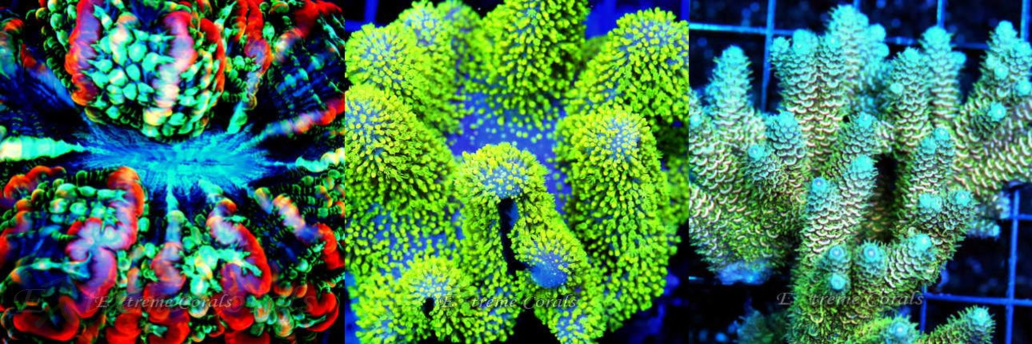
Explore how reef keeping evolved from simple fish-only saltwater systems into modern coral aquariums, and learn which coral groups became the foundation of today’s reef tanks.
Learn how reef keeping evolved over the decades, from early fish-only systems to modern coral aquariums, and discover the coral types that shaped the hobby.
by Scott Shiles • April 22, 2026
Zoanthids Coral Care, Reef Tank Equipment, Soft Corals Care, All Corals, SPS Coral Care, LPS Coral Care
Reef keeping has changed dramatically over the decades, evolving from simple saltwater fish systems into sophisticated living coral ecosystems that now combine technology, biology, design, and long-term husbandry in ways early hobbyists could barely imagine. For many reef keepers, that evolution is part of what makes the hobby so fascinating. Today’s reef tanks can support a wide range of corals with far more stability, control, and consistency than was possible in earlier years, but getting here took time. In our experience, understanding where the hobby came from helps reef keepers better appreciate why modern practices matter so much. It also explains why certain coral groups became foundational in home aquariums while others remained more advanced or specialized. This article looks at how reef tanks have changed over time and the coral types that helped define the hobby along the way.
A common mistake newer hobbyists make is assuming reef keeping has always looked the way it does now, with programmable LEDs, reliable skimmers, automated dosing, aquacultured corals, and detailed testing routines. In reality, reef keeping was built slowly through experimentation, mistakes, better equipment, and a much stronger understanding of coral biology than existed in the early years.
If you want to compare the kinds of corals that define modern reef tanks, browse our WYSIWYG new arrivals to compare fully conditioned, ready-to-ship specimens.
The Early Years of Modern Reef Keeping
The 1970s and 1980s marked the beginning of the modern reef tank hobby. At the time, saltwater aquariums were primarily used for keeping fish, but hobbyists began experimenting with live corals and other invertebrates. Compared with today’s systems, tanks from this era were relatively simple, with limited filtration, basic lighting, and fewer proven methods for long-term coral success.
In many early reef tanks, the focus was more on appearance and novelty than on the welfare and long-term health of the organisms inside. Corals were often collected from the wild, and there was less understanding of what different species actually needed in terms of lighting, water chemistry, and flow. We’ve found that one of the biggest differences between that era and today is that modern reef keepers think much more in terms of sustainability, coral health, and system stability rather than just display value.
The 1990s: A Major Leap Forward
In the 1990s, reef tanks began to experience a major surge in popularity, thanks in part to technological improvements that made it easier to maintain a healthy aquarium. Protein skimmers became more common, and high-powered metal halide lighting helped support much stronger coral growth.
Just as importantly, hobbyists began to recognize the value of stable water chemistry and the role of beneficial bacteria in breaking down waste. In our experience, this period was one of the most important turning points in reef keeping because it shifted the hobby away from improvisation and toward more repeatable systems. A pattern we often see in long-time reef keepers is that many of the core habits still respected today—stable parameters, strong export, consistent maintenance—became much more established during this era.
The Early 2000s: More Control, Better Coral Success
The early 2000s saw the rise of LED lighting technology, which gave reef hobbyists a more energy-efficient and customizable way to light their tanks. This made it easier to keep a broader range of coral species, including some that responded poorly to overly harsh or poorly distributed lighting setups.
Additionally, the use of live rock became even more important in reef systems because it helped establish a more stable and diverse ecosystem in the tank. Live rock provided habitat for beneficial bacteria and countless small organisms that supported biological balance.
We’ve found that this period helped move reef tanks closer to what hobbyists now expect from a successful system: better control, better consistency, and a stronger biological foundation. One common mistake hobbyists make today is underestimating how much easier modern equipment has made reef keeping compared with the earlier decades.
The Modern Era: Sustainability and Precision
In recent years, the reef tank hobby has continued to evolve, with a much stronger emphasis on sustainability, aquaculture, and system precision. There is now far greater awareness of the importance of captive-grown corals and responsible sourcing, which reduces pressure on wild reef environments.
Advances in water testing, controllers, dosing systems, and monitoring equipment have also made it easier for reef keepers to maintain stable water chemistry and identify issues before they become serious problems. In our experience, this has made the hobby both more rewarding and more demanding in a different way. There are more tools than ever before, but success still depends on judgment, patience, and consistency.
Some sellers focus mostly on novelty and volume. Experienced reef keepers usually focus more on long-term coral health, sustainability, and choosing species that genuinely fit the aquarium.
Soft Corals: The Foundation for Many Reef Tanks
Soft corals remain some of the most commonly kept and most approachable corals in the hobby. They are generally easier to care for than stony corals and come in a wide range of shapes and colors.
Popular soft coral examples include:
- Soft corals in general
- Leather corals
- Mushroom corals
- Ricordea mushrooms
- Discosoma mushrooms
- Clove polyps
In many reef tanks, soft corals provide the first real sense of life, movement, and growth. We’ve found that they are especially valuable for hobbyists who are still learning stability and placement because they often offer visible feedback without being as punishing as more delicate species.
LPS Corals: Color, Motion, and Showpiece Appeal
LPS corals became some of the most popular corals in home aquariums because they offer a strong balance between beauty and manageability. These corals have a hard skeleton and larger polyps than SPS corals, and many species combine bright coloration with dramatic movement or fleshy showpiece presence.
Popular LPS corals include:
- Hammer coral
- Torch coral
- Acanthophyllia
- Scolymia
- Acanthastrea
- Bubble coral
- Cynarina
- Goniopora
- Indophyllia
- Wellsophyllia
- Frogspawn
- Trachyphyllia
- Candy Cane coral
- Echinophyllia
- Blastomussa
In our experience, LPS corals helped make reef keeping more visually accessible to a wider group of hobbyists. They often provide the kind of movement and bold color that people imagine when they first picture a reef tank. A common mistake hobbyists make is underestimating spacing and aggression with LPS corals, especially once colonies begin to expand.
SPS Corals: The Benchmark for Advanced Reef Systems
SPS corals are widely regarded as the most demanding of the major coral groups commonly kept in reef tanks. They require stronger lighting, more energetic water flow, and tighter long-term stability.
Popular SPS corals include:
- Acropora
- Montipora
- Hydnophora
- Pocillopora
- Stylophora
- Porites
We’ve found that SPS corals became much more practical to keep as reef tank technology improved. In many ways, the rise of successful SPS systems tracks the evolution of reef keeping itself: better lighting, better flow, better chemistry control, and a better understanding of coral response. For many hobbyists, thriving SPS still represents a major milestone in the hobby.
Zoanthids: Color Diversity and Beginner Appeal
Zoanthids have remained consistently popular because they are colorful, adaptable, and visually diverse. They come in an enormous range of morphs and patterns and can work well in beginner systems as well as advanced collector tanks.
In our experience, zoanthids became one of the most important coral groups in the modern hobby because they allowed hobbyists to build color-rich reef tanks without needing every coral to be high-demand SPS or expensive fleshy showpieces. They are also one of the clearest examples of how reef keeping shifted toward collecting, aquaculture, and visual variety over time.
What the Evolution of Reef Keeping Really Changed
The biggest change in reef keeping over time was not just equipment. It was mindset.
The hobby changed in several major ways:
- From display-first thinking to coral-health-first thinking
- From heavy wild collection to stronger aquaculture awareness
- From limited control to highly adjustable lighting, flow, and chemistry systems
- From trial-and-error setups to much more informed husbandry
- From simple fish systems to true mixed coral ecosystems
In our experience, this is what really defines the evolution of reef keeping. Modern hobbyists have far better tools, but they also have far better information. A common mistake newer reef keepers make is assuming success comes from buying more equipment. In reality, the biggest long-term gains in the hobby came from understanding coral biology, stability, and sustainability more deeply.
We’ve also found that the modern reef tank is much more intentional than the early systems were. Hobbyists today are more likely to think about coral compatibility, long-term growth, aquascape planning, nutrient balance, and where a coral came from before buying it. That shift has made the hobby stronger, more sustainable, and more rewarding.
How Today’s Hobbyists Benefit From That Progress
Because of all this progress, reef keepers today can build tanks that would have been difficult or impossible to maintain successfully decades ago.
- There are more coral choices than ever
- Captive-grown specimens are more available
- Lighting and flow can be tailored more precisely
- Water testing is more accurate and accessible
- There is much better education available for hobbyists at every level
If you are looking for a healthy, fully acclimated specimen, it helps to compare actual coral examples and choose species that fit both your system and your skill level. Our beginner coral care guide, reef maintenance guide, and broader LPS coral care guide can help hobbyists make stronger choices.
Related Corals You May Also Like
If you are interested in the evolution of reef keeping and the coral groups that shaped the hobby, you may also want to explore these related coral categories and reef tank guides:
Ready to explore the corals that define modern reef tanks? Browse our coral categories and compare healthy additions for your aquarium.
Shop Coral Categories for Modern Reef Tanks
Explore our soft corals, WYSIWYG LPS corals, SPS corals, zoanthids, and new arrival corals to build a more colorful reef tank.
Final Thoughts
Reef tanks have come a long way over the decades. Advances in lighting, filtration, water chemistry control, and coral husbandry have made reef keeping far more successful and sustainable than it once was. Today’s reef tanks are a reflection of both technological progress and a much deeper understanding of the living organisms inside them.
In our experience, that is one of the most satisfying things about the hobby. A modern reef tank is not just a display. It is the result of decades of learning, refinement, and a growing respect for the complexity of coral life. That evolution is part of what makes reef keeping so rewarding today.
Frequently Asked Questions
Q: When did modern reef keeping really begin?
A: The modern reef tank hobby began taking shape in the 1970s and 1980s, when hobbyists started experimenting with keeping live corals and invertebrates in saltwater tanks.
Q: What changed reef keeping the most over time?
A: Better lighting, protein skimming, improved water chemistry knowledge, live rock use, and modern monitoring tools all played major roles.
Q: What are the main coral groups kept in reef tanks today?
A: The major groups are soft corals, LPS corals, SPS corals, and zoanthids.
Q: Why are soft corals often recommended for beginners?
A: They are generally more forgiving, adaptable, and easier to care for than many demanding stony corals.
Q: Why is sustainability more important in reef keeping now?
A: Because the hobby now places more emphasis on captive-grown corals and responsible sourcing, which helps reduce pressure on wild reefs.
About the Author
Scott Shiles is the owner of ExtremeCorals.com, which he has operated for over 25 years and is recognized as one of the early dedicated live coral websites on the internet. A lifelong reef keeper since 1984, Scott has decades of hands-on experience maintaining marine aquariums and previously owned and operated a brick and mortar aquarium retail store for 10 years, including five years alongside Extreme Corals. He holds a degree in Marine Biology and has personally selected and sold hundreds of thousands of live corals. An avid scuba diver who has explored reef systems around the world, Scott shares practical coral care and husbandry knowledge based on real world reef experience.
overall rating:
my rating:
log in to rate
Please log in to leave a comment.
For more information visit: additional resources