My Cart: 0 item(s)

Extreme Corals News and Updates
Top Must-Have Corals for Reef Tanks: Standout Picks for Color, Growth and Visual Impact
Discover some of the top must-have corals for reef tanks, from Acropora and Euphyllia to zoanthids, chalices, mushrooms, and other favorites that reefkeepers value most.
Explore top must-have corals for reef tanks, including Acropora, Montipora, zoanthids, Euphyllia, chalices, mushrooms, and other standout reef aquarium favorites.
by Scott Shiles • April 22, 2026
Zoanthids Coral Care, SPS Coral Care, Soft Corals Care, All Corals, LPS Coral Care
Some corals do more than simply fill space in a reef tank. They define the look, movement, color, and personality of the entire aquarium. Reefkeeping is an intricate art form that involves creating and maintaining a miniature ecosystem, and corals are at the center of that experience. They add structure, texture, movement, and color in a way that no other livestock can. In our experience, the corals hobbyists return to again and again are the ones that not only look impressive, but also bring a tank to life in a way that feels unmistakably reef-like. In this guide, we’ll explore some of the top must-have corals that have captivated reefkeepers worldwide, along with what makes them so desirable and what buyers should think about before adding them to a system.
A common mistake hobbyists make is choosing corals only by trend or color without thinking about how they fit the tank as a whole. We’ve found that the best coral collections usually combine several strengths: a few architectural SPS pieces, some movement-rich LPS, a few colorful soft corals or polyps, and one or two standout showpieces. That combination creates a reef tank that feels layered, mature, and intentional rather than random.
If you are looking for healthy, individually photographed specimens, browse our WYSIWYG new arrivals to compare fully conditioned, ready-to-ship specimens.
Why Some Corals Become “Must-Haves”
Not every coral earns that reputation. In many reef tanks, the corals that become true favorites usually have one or more of the following:
- Strong visual impact
- Distinctive growth form
- Movement in the current
- Reliable long-term appeal
- Good compatibility with common reef setups
Some sellers focus mostly on hype or short-term trends. Experienced coral vendors and long-time hobbyists usually focus more on long-term coral health, growth potential, and how a coral actually performs in captivity over time.
One pattern we often see is that the most satisfying reef tanks are not built around just one coral type. They use contrast. Branching SPS looks better with a fleshy LPS nearby. Zoanthids stand out more when paired with structured stony corals. Mushrooms can soften an aquascape that would otherwise feel too rigid. That balance is what makes these “must-have” coral groups so important.
Acropora
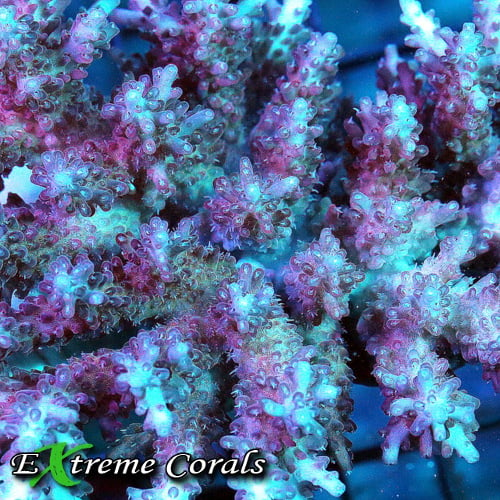
Known for their intricate branching structures and vibrant colors, Acropora corals are a staple in reef aquariums. They come in various shapes and hues, ranging from delicate pastels to striking fluorescents. Their fast growth rate and stunning appearance make them a favorite among experienced hobbyists.
In our experience, Acropora is one of the coral groups that instantly signals an advanced reef tank when it is healthy and growing well. A common mistake hobbyists make is trying to add Acropora too early, before the tank is stable enough to support it. When choosing a healthy specimen, look for strong coloration, intact branch tips, good polyp extension, and no visible tissue loss around the base.
Montipora
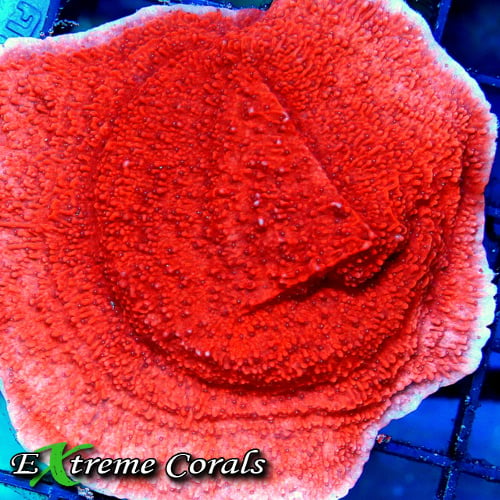
Montipora corals are prized for their diverse growth forms, including encrusting, plating, and branching varieties. They exhibit a kaleidoscope of colors, from neon greens to deep purples, adding visual interest to any reef tank. Additionally, their hardy nature and adaptability make them suitable for both beginners and seasoned aquarists.
We’ve found that Montipora is often one of the best bridges between beginner corals and more demanding SPS systems. It gives hobbyists the look of a serious reef tank without always being as unforgiving as Acropora. For many reefkeepers, Montipora is one of the first corals that makes the reef start to feel layered and established.
Zoanthus
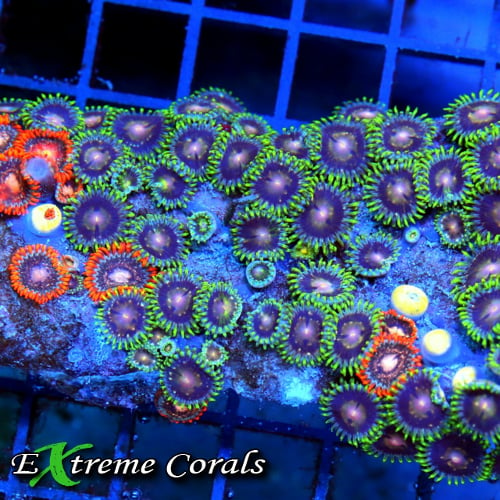
Zoanthids, commonly referred to as "zoas," are beloved for their vibrant polyps and wide-ranging color patterns. These colonial corals form colorful mats that sway gently in the water, creating a mesmerizing display. With hundreds of morphs and color combinations available, zoanthids offer endless possibilities for customization in reef aquariums.
One common mistake hobbyists make is underestimating how quickly zoanthids can become a major visual part of the reef. In many tanks, they are one of the easiest ways to build color density fast. When selecting a healthy colony, look for open polyps, stable coloration, and a mat that appears clean and actively growing rather than tight or stressed.
Pocillopora
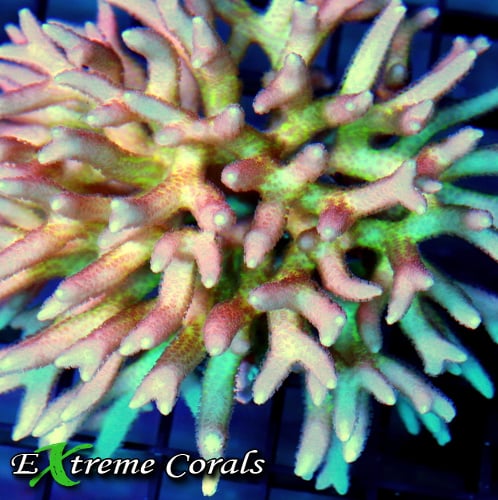
Pocillopora corals are renowned for their delicate branches and intricate growth patterns. They come in various forms, including bushy, branching, and encrusting varieties, each with its own unique charm. These corals thrive in a wide range of conditions, making them suitable for both beginner and advanced reefkeepers.
We’ve found that Pocillopora often gets overlooked compared with Acropora and Stylophora, but it can be one of the most useful SPS corals for adding a softer, bushier structure to the reef. It is a strong choice for hobbyists who want branching SPS texture without building the entire tank around ultra-high-demand pieces.
Euphyllia
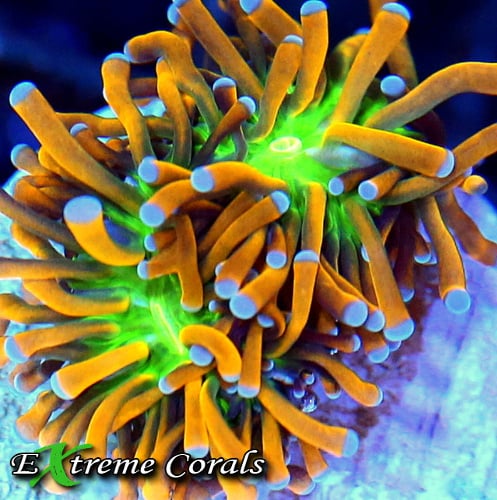
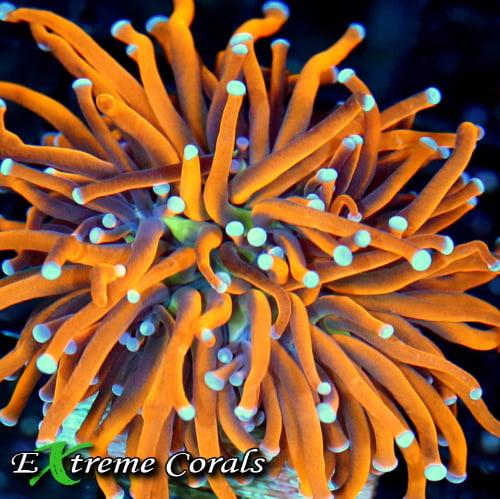
Euphyllia corals, such as hammer, frogspawn, and torch corals, are prized for their graceful tentacles and mesmerizing movements. They exhibit a stunning range of colors, from vibrant greens to fiery oranges, adding drama to reef tanks. Despite their delicate appearance, euphyllia corals are relatively easy to care for, making them popular choices for beginners.
In our experience, Euphyllia is one of the most visually rewarding coral groups in the hobby because it adds movement that instantly changes how alive a tank feels. A pattern we often see is that one healthy torch, hammer, or frogspawn quickly turns into a larger Euphyllia collection because hobbyists love the motion and color so much.
Stylophora
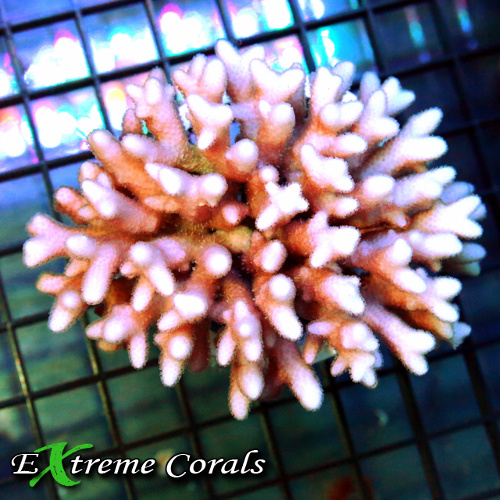
Stylophora corals, also known as "Cat's Paw" corals, are valued for their intricate branching structures and vibrant colors. They form dense thickets of delicate branches, creating a striking visual impact in reef aquariums. With proper care, stylophora corals can thrive and grow rapidly, making them a favorite among reefkeeping enthusiasts.
Stylophora is often a strong coral for reefkeepers who want SPS texture with a little more visual density than some open-branching species. We’ve found that it can help make the upper reef structure feel fuller without needing a huge colony to create that effect.
Blastomussa
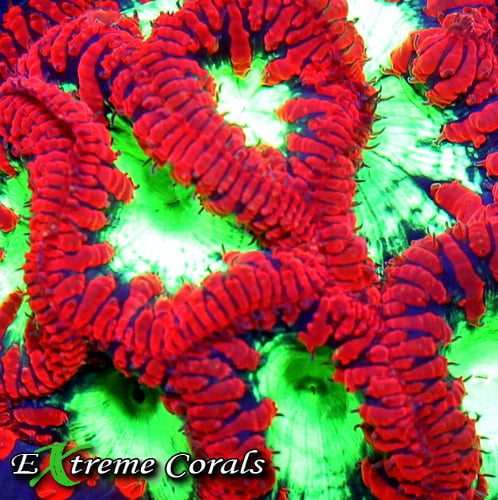
Blastomussa corals, also known as "blastos," are prized for their large, fleshy polyps and vibrant colors. They come in various forms, including branching and solitary varieties, each with its own unique beauty. Blastomussa corals are relatively hardy and easy to care for, making them ideal for both beginner and experienced reefkeepers alike.
In many reef tanks, Blastomussa fills a very useful role: softer and more approachable than some aggressive LPS, but still colorful enough to stand out. A common mistake hobbyists make is placing blastos too high or in too much direct flow when they usually look better lower and calmer.
Favia
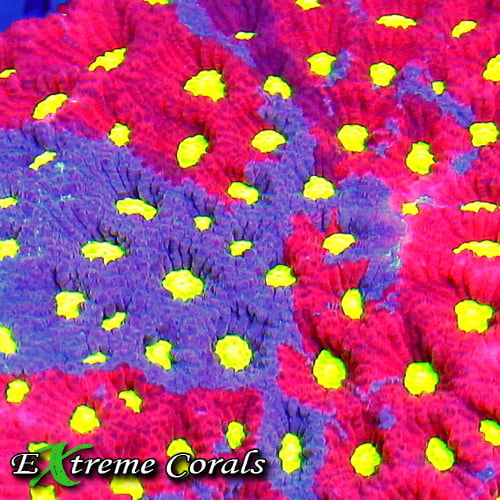
Favia corals, also known as "moon corals," are valued for their round, dome-shaped colonies and striking coloration. They come in a wide range of hues, from electric greens to deep blues, adding visual interest to reef tanks. Favia corals are relatively low-maintenance and can thrive in a variety of lighting and water flow conditions.
We’ve found that Favia is one of the better corals for hobbyists who want texture and structure without relying only on movement corals. It adds a mature reef feel and works especially well in mixed reefs with both soft and stony coral contrast.
Acanthastrea
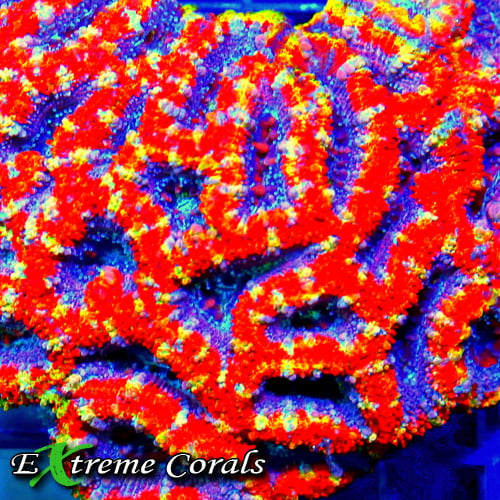
Acanthastrea corals, commonly referred to as "acans," are prized for their colorful, doughnut-shaped polyps and intricate patterns. They come in a dazzling array of colors, including neon greens, vibrant pinks, and deep purples, making them a favorite among reefkeeping enthusiasts. With their stunning appearance and ease of care, acan corals are a must-have for any reef tank.
When selecting a healthy specimen, look for full polyp inflation, clean tissue edges, and stable coloration instead of just the brightest fluorescence. In our experience, acans remain one of the most reliable ways to add dense color to lower parts of the reef without making the tank feel too rigid or too sparse.
Chalice Corals
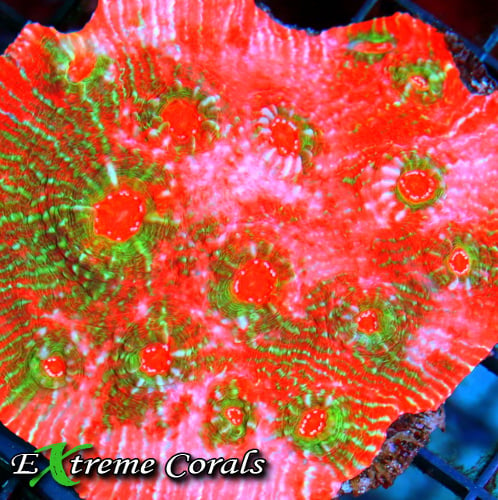
Chalice corals are renowned for their distinctive shape and intricate patterns. They come in various forms, including plating, branching, and encrusting varieties, each with its own unique charm. Chalice corals exhibit a mesmerizing array of colors, from earthy browns to electric blues, adding depth and dimension to reef aquariums.
We’ve found that chalices often work best as contrast corals. They do not move like Euphyllia and they do not branch like SPS, but they add visual layers that make the whole reef look more intentional.
Goniopora
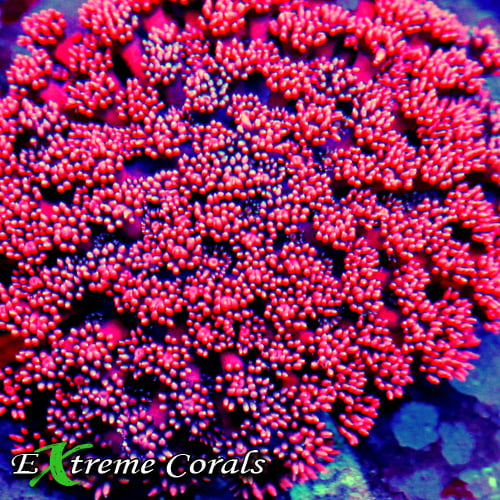
Goniopora corals, also known as "flowerpot corals," are prized for their delicate tentacles and vibrant coloration. They come in various forms, including branching and encrusting varieties, each with its own unique beauty. Despite their delicate appearance, goniopora corals can thrive under the right conditions, making them a popular choice for experienced reefkeepers.
In many reef tanks, Goniopora earns must-have status because of movement alone. A healthy Goniopora colony adds a kind of softness and motion that few corals can match. A common mistake hobbyists make is buying one for the look before fully understanding its feeding and stability needs.
Duncanopsammia
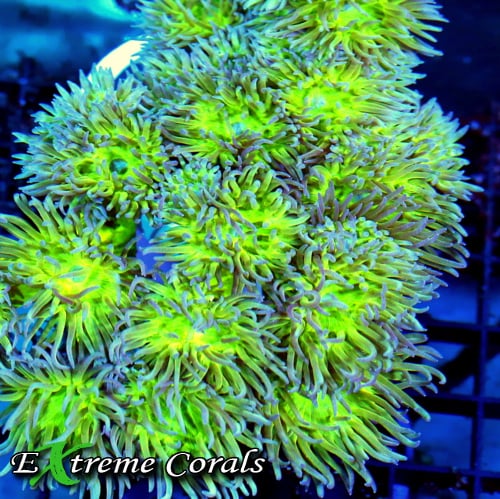
Duncanopsammia corals, commonly referred to as "duncans," are prized for their large, fleshy polyps and striking coloration. They come in various hues, including vibrant greens, deep purples, and fiery oranges, adding visual interest to reef tanks. Duncanopsammia corals are relatively easy to care for, making them ideal for beginner and experienced aquarists alike.
We’ve found that Duncans are one of the better “confidence corals” in the hobby. They usually show clear feeding response, good extension, and visible growth when happy, which makes them satisfying for both newer and experienced reefkeepers.
Lobophyllia
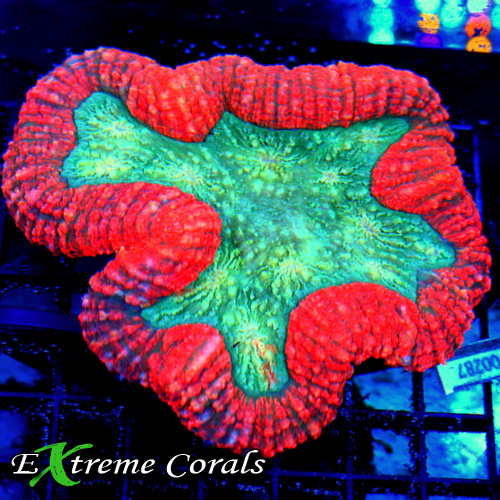
Lobophyllia corals, also known as "lobos," are valued for their large, fleshy polyps and intricate patterns. They come in various forms, including branching and encrusting varieties, each with its own unique charm. Lobophyllia corals are relatively hardy and can thrive in a variety of lighting and water flow conditions, making them popular choices for reef aquariums.
In our experience, Lobophyllia is one of the best must-have fleshy LPS corals because it combines color, substance, and a strong “showpiece” look without being overly delicate if properly placed.
Seriatopora
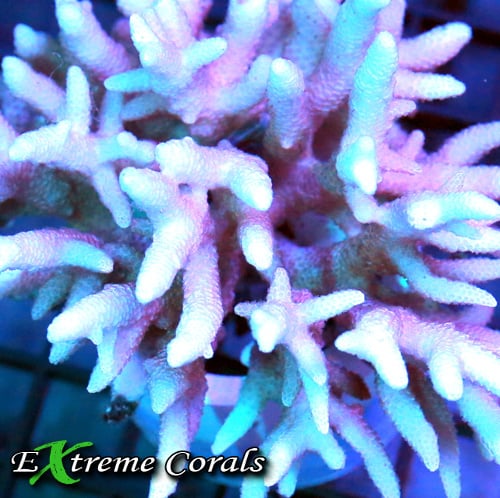
Seriatopora corals, commonly referred to as "bird's nest corals," are prized for their delicate branches and vibrant coloration. They come in various forms, including branching and plating varieties, each with its own unique charm. Seriatopora corals are relatively hardy and can thrive in a variety of lighting and water flow conditions, making them suitable for reef aquariums of varying complexities.
Bird’s nest corals often become favorites because they bring instant SPS texture and can fill space in a way that feels delicate but still substantial. They are often a smart choice for reefkeepers looking to diversify beyond only LPS and soft corals.
Ricordea
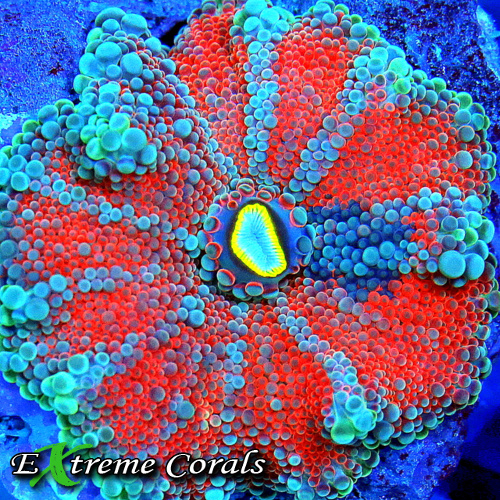
Ricordea corals, also known as "ricordea mushrooms," are prized for their vibrant colors and unique mushroom-like appearance. They come in a dazzling array of hues, including neon greens, electric blues, and fiery oranges, adding visual interest to reef tanks. Ricordea corals are relatively easy to care for and can thrive in a variety of lighting and water flow conditions, making them popular choices for reef aquariums.
In our experience, Ricordea is one of the best lower-profile corals for bringing color into smaller spaces of the aquascape. It works especially well when a tank needs bright accents without adding more large branching or fleshy colonies.
Fungia
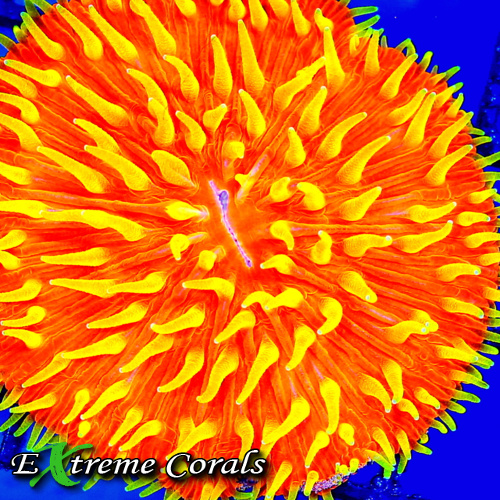
Fungia corals, commonly referred to as "plate corals," are prized for their flat, disc-shaped skeletons and vibrant coloration. They come in various hues, including bright yellows, deep purples, and striking oranges, adding visual interest to reef tanks. Fungia corals are relatively hardy and can thrive in a variety of lighting and water flow conditions, making them popular choices for both beginner and experienced aquarists.
Plate corals remain popular because they bring a very different silhouette to the reef. A common mistake hobbyists make is not giving solitary plate corals enough open space on the sandbed where they can remain undisturbed.
Scolymia
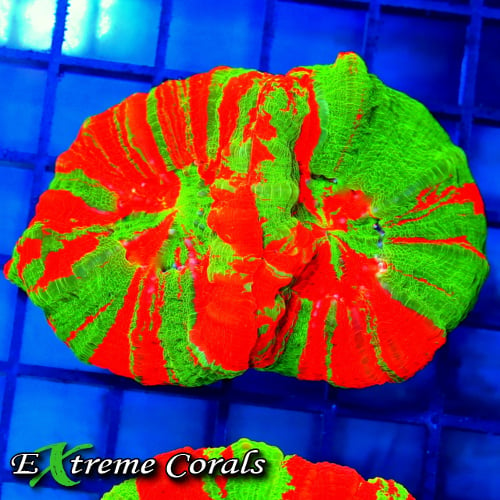
Scolymia corals, also known as "scolies," are prized for their large, fleshy polyps and striking coloration. They come in a wide range of hues, including vibrant greens, deep purples, and fiery oranges, adding visual interest to reef tanks. Scolymia corals are relatively hardy and can thrive in a variety of lighting and water flow conditions, making them popular choices for reef aquariums.
We’ve found that scolies often become the kind of coral people build an entire section of the tank around. They are true display pieces, and when selecting one, healthy tissue fullness matters at least as much as color.
Gorgonia
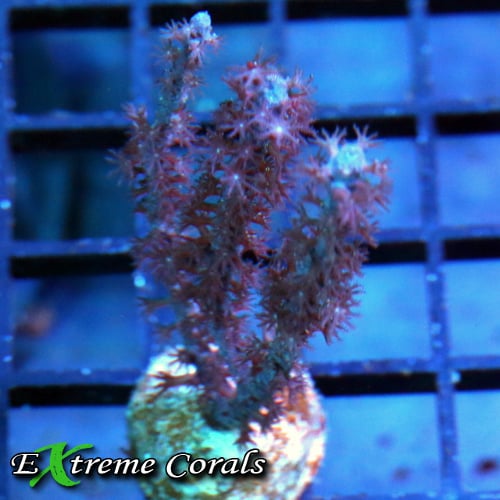
Gorgonia corals, also known as "sea fans," are prized for their intricate branching structures and vibrant colors. They come in various hues, including bright yellows, deep purples, and striking oranges, adding visual interest to reef tanks. Gorgonia corals are relatively hardy and can thrive in a variety of lighting and water flow conditions, making them popular choices for both beginner and experienced aquarists.
In many reef tanks, gorgonians add a sense of vertical motion and shape that is hard to reproduce with standard corals. They can make an aquascape feel more natural and less static when placed well.
Tubastrea
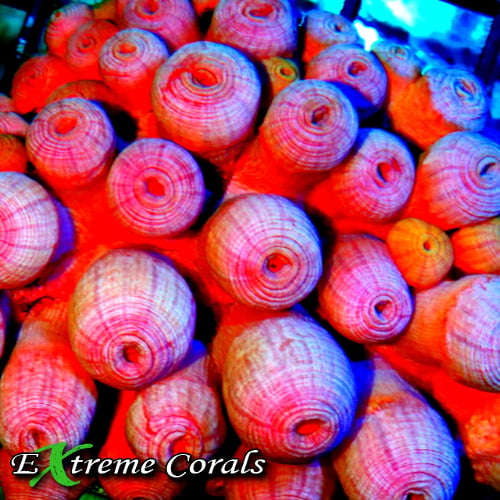
Tubastrea corals, commonly referred to as "sun corals," are prized for their large, fleshy polyps and vibrant coloration. They come in various hues, including bright oranges, deep reds, and fiery yellows, adding visual interest to reef tanks. Tubastrea corals are relatively hardy and can thrive in a variety of lighting and water flow conditions, making them popular choices for reef aquariums.
Sun corals remain highly desirable because of their color and polyp extension, but they are also a coral where buyers should be realistic about feeding commitment. We’ve found that they are most rewarding for reefkeepers who enjoy active coral care rather than passive ownership.
Symphyllia
_1712157358.JPG)
Symphyllia corals, commonly referred to as "smiley face corals," are prized for their large, fleshy polyps and unique appearance. They come in various hues, including bright greens, deep purples, and striking oranges, adding visual interest to reef tanks. Symphyllia corals are relatively hardy and can thrive in a variety of lighting and water flow conditions, making them popular choices for both beginner and experienced aquarists.
In our experience, Symphyllia has strong long-term appeal because it looks established and substantial even when the colony is not huge. It works especially well for reefkeepers who want a fleshy coral with more pattern and structure than some softer LPS options.
Hydnophora
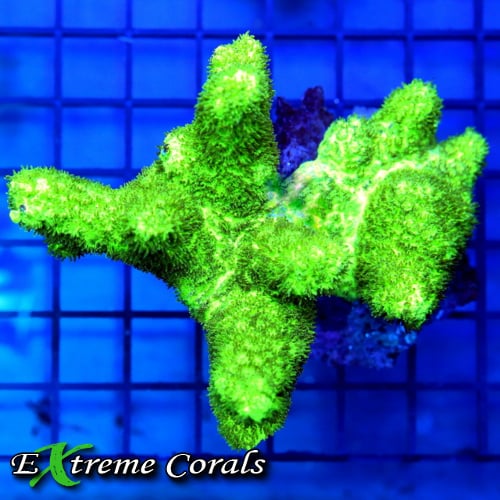
Hydnophora corals, commonly referred to as "horn corals," are prized for their intricate branching structures and vibrant colors. They come in various hues, including bright greens, deep purples, and striking oranges, adding visual interest to reef tanks. Hydnophora corals are relatively hardy and can thrive in a variety of lighting and water flow conditions, making them popular choices for reef aquariums.
Hydnophora can be a standout coral for hobbyists who like aggressive-looking structure and brighter green coloration, but a common mistake hobbyists make is underestimating how assertive it can be around neighboring corals.
Trachyphyllia
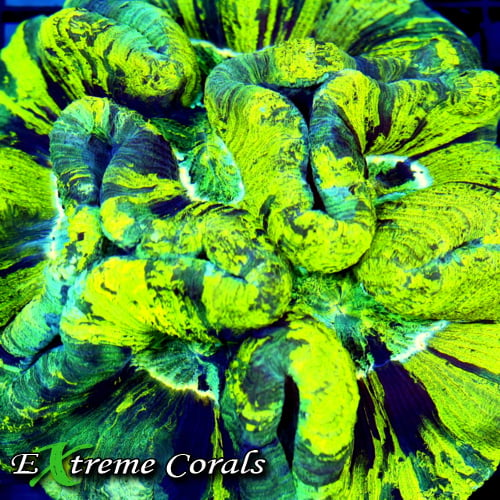
Trachyphyllia corals, commonly referred to as "brain corals," are prized for their large, fleshy polyps and intricate patterns. They come in various hues, including bright greens, deep purples, and striking oranges, adding visual interest to reef tanks. Trachyphyllia corals are relatively hardy and can thrive in a variety of lighting and water flow conditions, making them popular choices for both beginner and experienced aquarists.
We’ve found that Trachyphyllia remains one of the best “single coral impact” choices in the hobby. A healthy trachy can anchor an entire lower section of the reef visually without needing much else around it.
Standout Section: How to Build a Must-Have Coral Collection Without Making the Tank Look Random
One of the most useful things hobbyists can learn is that a great coral collection is not just a list of expensive names. In our experience, the best reef tanks balance contrast, growth form, and visual rhythm.
A well-rounded “must-have” coral mix often includes:
- One or two branching SPS corals for structure, such as Acropora, Stylophora, or Seriatopora
- One motion-rich LPS category, such as Euphyllia or Goniopora
- A few lower-profile color corals like zoanthids, ricordea, or chalices
- One fleshy showpiece coral such as a scoly, lobo, or trachy
- A coral with unique texture, such as Favia, Symphyllia, or Blastomussa
A common mistake hobbyists make is buying every coral they like individually without thinking about how those corals work together visually. The result is often a tank with nice pieces but no real composition. We’ve found that the most impressive reef tanks usually mix movement, structure, fleshy texture, and color density in a way that makes the entire display feel intentional.
When selecting healthy specimens, look for strong extension, healthy tissue, stable coloration, and growth forms that fit your tank’s actual space. If you are building gradually, that usually works better than trying to fill the entire tank at once with corals that may outgrow or crowd one another later.
Related Corals You May Also Like
If you are interested in building a standout reef coral collection, you may also want to explore other coral groups and related reef tank guides:
- Browse new arrival corals
- Browse coral colonies
- Beginner coral care guide
- SPS coral care guide
- LPS coral care guide
Ready to add standout corals to your reef tank? Browse our new arrival corals and explore healthy additions for your aquarium.
Shop Featured and New Arrival Corals
Explore our WYSIWYG featured corals, new arrival corals, and coral colonies to build a more colorful and visually striking reef tank.
Final Thoughts
These top corals represent only a fraction of the diversity found within the reefkeeping hobby, but they remain some of the most popular for good reason. Each brings its own unique beauty, growth form, and visual energy to the aquarium, whether through vivid color, dramatic motion, intricate branching, or fleshy showpiece presence.
Whether you are a seasoned reefkeeper or just starting out, incorporating the right combination of these corals into your aquarium can elevate the reef from a simple tank into something far more impressive and immersive.
Frequently Asked Questions
Q: What are the most popular must-have corals for reef tanks?
A: Some of the most popular reef tank corals include Acropora, Montipora, Euphyllia, zoanthids, chalices, ricordea, scolymia, and Trachyphyllia.
Q: What makes a coral a must-have for reefkeepers?
A: Usually a combination of color, growth form, movement, compatibility, and long-term visual impact.
Q: Should beginners buy the same corals as advanced reefkeepers?
A: Not always. Some must-have corals are beginner friendly, while others are better suited to mature, stable systems.
Q: How do I choose a healthy coral before buying?
A: Look for strong tissue, healthy extension, stable coloration, and no obvious recession or damage.
Q: Is it better to buy a few standout corals or many random ones?
A: In our experience, a few well-chosen standout corals usually create a better-looking reef than a random mix without structure or contrast.
About the Author
Scott Shiles is the owner of ExtremeCorals.com, which he has operated for over 25 years and is recognized as one of the early dedicated live coral websites on the internet. A lifelong reef keeper since 1984, Scott has decades of hands-on experience maintaining marine aquariums and previously owned and operated a brick and mortar aquarium retail store for 10 years, including five years alongside Extreme Corals. He holds a degree in Marine Biology and has personally selected and sold hundreds of thousands of live corals. An avid scuba diver who has explored reef systems around the world, Scott shares practical coral care and husbandry knowledge based on real world reef experience.
overall rating:
my rating:
log in to rate
Please log in to leave a comment.
For more information visit: additional resources