My Cart: 0 item(s)

Extreme Corals News and Updates
Ricordea Mushroom Coral Care Guide: Lighting, Flow, Feeding and Placement in Reef Tanks
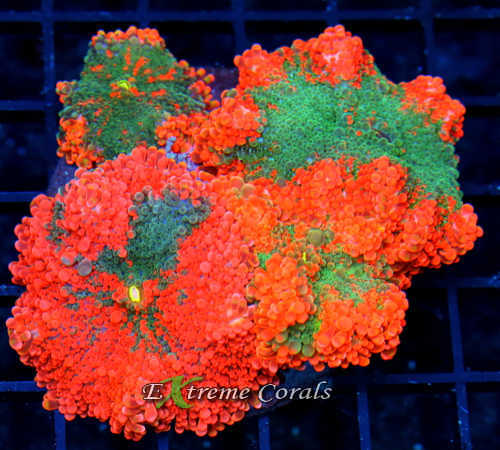
Learn how to care for Ricordea mushroom corals in a reef tank with tips on lighting, flow, water parameters, placement, feeding, and choosing healthy specimens.
Learn how to care for Ricordea mushrooms in a reef tank with guidance on lighting, water flow, feeding, placement, water parameters, and long-term mushroom coral health.
by Scott Shiles • April 22, 2026
Ricordea mushrooms are one of the most colorful and approachable corals in reef aquariums because they combine bright appearance, manageable care, and strong adaptability in stable systems. Often chosen by both beginners and experienced reef keepers, Ricordea mushrooms can add texture, color, and movement to a reef tank without the same demands as many more delicate stony corals. This guide explains how to care for Ricordea mushrooms in a reef tank, including lighting, flow, water parameters, placement, feeding, maintenance, and what to look for when selecting a healthy specimen.
In our experience, Ricordea mushrooms are often one of the best corals for hobbyists who want visible color and personality without jumping immediately into more demanding SPS or aggressive LPS territory. They are hardy, but they still respond best when the tank is stable and their placement is thoughtful. A common mistake hobbyists make is assuming mushrooms can simply be dropped anywhere in the tank. Like most corals, they still do better when their light, flow, and space match the way they grow.
If you are looking for colorful, fully conditioned mushroom corals, browse our Ricordea mushrooms to compare healthy examples.
What Are Ricordea Mushrooms?
Ricordea mushrooms are popular soft corals known for their fleshy disk-like bodies, bright coloration, and textured surface covered with bubble-like vesicles. They are often grouped with mushroom corals in the hobby and are prized because they can stand out visually even in smaller reef tanks.
In many reef tanks, Ricordea works especially well as a lower-profile color coral. It does not rely on long sweeper tentacles or exaggerated branching growth to get attention. Instead, it brings visual impact through color, shape, and texture.
Why Ricordea Mushrooms Are So Popular
- They come in bright and highly varied colors
- They are generally beginner friendly in stable tanks
- They do not require intense lighting
- They can work well in nano and full-size reef systems
- They add texture and contrast to rockwork and lower reef zones
We’ve found that Ricordea is especially useful for hobbyists who want something more visually dynamic than plain starter corals but still manageable enough to enjoy without constant stress.
Lighting
Ricordea mushrooms generally prefer moderate lighting. They can thrive under T5 or LED lighting, but the key is avoiding excessive intensity that can stress or bleach the coral.
- Moderate lighting is usually ideal
- T5 and LED lighting can both work well
- Avoid placing them under harsh direct intensity
- A practical starting point is about 5-8 hours of light per day depending on the system
If the light is too intense, Ricordea mushrooms can bleach, shrink, or look stressed. In our experience, they usually color up better and settle more naturally in moderate zones than in the brightest parts of the tank.
If you want to understand reef lighting better, read our guide on reef tank lighting.
Water Flow
Ricordea mushrooms prefer gentle to moderate water flow. They should be placed in an area where the flow is steady enough to keep detritus from settling, but not so strong that it causes irritation or detachment.
- Gentle to moderate flow is usually best
- Avoid strong direct current
- Avoid dead zones with no movement at all
- Look for a placement zone where the coral remains stable and open
If the flow is too strong, the mushrooms can detach from the rock or show signs of stress. A pattern we often see is that Ricordea performs best in areas with enough circulation to stay clean, but not enough turbulence to constantly push at the tissue.
If you want to learn more about circulation, read our guide on water flow and coral health.
Water Parameters
Ricordea mushrooms are relatively hardy and can tolerate a fair range of reef conditions, but stable water parameters still matter. They usually do best when the tank is consistent rather than constantly shifting.
- Temperature: 75°F to 82°F
- pH: 8.0 to 8.4
- Salinity: 1.023 to 1.025
- Alkalinity: 8-12 dKH
In our experience, mushrooms like Ricordea often tolerate small imperfections better than many stony corals, but they still react poorly to instability over time. A common mistake hobbyists make is assuming “hardy” means water chemistry does not matter. Stable reef parameters are still the foundation.
If you are working on chemistry stability, read our guide on pH and alkalinity in reef tanks.
Placement
Ricordea mushrooms should be placed on live rock or reef-safe substrate where they have room to attach and expand. They may be glued into position or allowed to settle and attach naturally depending on the aquascape and the piece.
- Place on live rock or reef-safe substrate
- Allow enough room for spreading and growth
- Choose lower to mid areas if lighting is stronger higher in the tank
- Avoid crowded zones where they will be overshadowed or irritated
We’ve found that Ricordea often does best when given a stable rock island or a dedicated lower reef area where it can multiply over time without being overrun by aggressive corals. If you want to compare healthy examples before buying, browse our Ricordea mushroom collection.
Feeding
Ricordea mushrooms are photosynthetic, which means they produce much of their own food through light. However, they can also benefit from occasional supplemental feeding.
- Feed small amounts of brine shrimp, mysis shrimp, or other small meaty foods
- Feed lightly and do not overdo it
- Remove excess food if it is not consumed
In many reef tanks, Ricordea grows and colors up well with light alone, but we’ve found that occasional feeding can still be beneficial, especially in systems where nutrients are very lean. A common mistake hobbyists make is overfeeding mushrooms and causing water quality problems that matter more than the feeding benefit itself.
Maintenance
Ricordea mushrooms are generally easy to maintain, but good reefkeeping habits still make a difference. Regular water changes, stable parameters, and periodic observation all help keep them healthy.
- Perform regular water changes
- Monitor lighting and flow over time
- Watch for signs of stress or detachment
- Keep surrounding rockwork reasonably clean
In our experience, mushrooms often look best in tanks that are consistent rather than constantly being adjusted. Once Ricordea settles in, it usually does not benefit from being moved repeatedly unless there is a clear problem with placement.
Standout Section: How to Tell a Healthy Ricordea Before Buying
One of the most useful things a buyer can learn is how to recognize a strong specimen before it ever enters the tank. Ricordea mushrooms are hardy, but starting with a healthy piece still matters.
When selecting a healthy Ricordea, look for:
- Firm attachment to rock, plug, or substrate
- Stable, natural-looking color rather than faded tissue
- A full, open disk instead of a consistently shrunken one
- No obvious melting, tears, or damaged tissue
- A clean base without signs of decay
A common mistake hobbyists make is buying a mushroom only because the color looks intense under heavy blue lighting. In our experience, tissue condition, attachment, and overall structure tell you much more than fluorescence alone. A healthy Ricordea usually looks settled, clean, and stable rather than stressed or overly pinched.
This is also where WYSIWYG buying helps. Being able to compare real specimens makes it easier to judge shape, fullness, and health before making a decision. If you want to compare similar beginner-friendly soft corals, you may also want to browse our soft coral selection or read our beginner coral care guide.
Common Signs of Stress
Ricordea mushrooms are usually good at showing when something is not right. Watching for early warning signs helps prevent bigger problems later.
- Discoloration or bleaching
- Shrinking or failure to open fully
- Detachment from the rock
- Unusual melting or tissue breakdown
In many reef tanks, these issues are tied back to either too much light, too much direct flow, or unstable parameters. We’ve found that small placement changes often solve the problem faster than making broad tank-wide changes.
Best Tank Mates and Compatibility
Ricordea mushrooms are generally easy to mix into peaceful reef tanks, but they still need enough room to expand and grow. They are often a strong match for soft coral tanks, mixed reefs, and beginner systems with other non-aggressive species.
- Work well with many soft corals and peaceful LPS
- Do well in mixed reefs with thoughtful spacing
- Should not be crowded by highly aggressive corals
One pattern we often see is beginners underestimating how much room mushrooms can eventually occupy once they settle and spread. Plan for future growth, not just the size of the single specimen on day one.
Final Thoughts
Ricordea mushrooms are a beautiful and easy-to-care-for addition to a reef tank. Providing them with moderate lighting and water flow, stable water parameters, proper placement, and occasional feeding can help keep them healthy and thriving. With a little care and attention, these colorful mushrooms can be a stunning addition to almost any reef aquarium.
In our experience, Ricordea is one of the better corals for hobbyists who want something bright, rewarding, and manageable without the constant pressure of keeping a highly demanding species. It is colorful enough to stand out, but forgiving enough to help build confidence.
Frequently Asked Questions
Q: Are Ricordea mushrooms good for beginners?
A: Yes, Ricordea mushrooms are often a very good beginner coral because they are colorful, hardy, and usually manageable in stable reef systems.
Q: What lighting do Ricordea mushrooms need?
A: Moderate lighting is usually best, and excessive intensity can cause bleaching or stress.
Q: Do Ricordea mushrooms need feeding?
A: They are mainly photosynthetic, but they can benefit from occasional small supplemental feedings.
Q: What flow is best for Ricordea mushrooms?
A: Gentle to moderate indirect flow is usually ideal because it keeps them clean without causing detachment or irritation.
Q: How can I tell if a Ricordea is healthy before buying?
A: Look for strong attachment, stable color, a full open disk, and no signs of melting or damaged tissue.
About the Author
Scott Shiles is the owner of ExtremeCorals.com, which he has operated for over 25 years and is recognized as one of the early dedicated live coral websites on the internet. A lifelong reef keeper since 1984, Scott has decades of hands-on experience maintaining marine aquariums and previously owned and operated a brick and mortar aquarium retail store for 10 years, including five years alongside Extreme Corals. He holds a degree in Marine Biology and has personally selected and sold hundreds of thousands of live corals. An avid scuba diver who has explored reef systems around the world, Scott shares practical coral care and husbandry knowledge based on real world reef experience.
overall rating:
my rating:
log in to rate
Please log in to leave a comment.
For more information visit: additional resources