My Cart: 0 item(s)

Extreme Corals News and Updates
Coral Placement Guide: How to Arrange Corals for Better Growth, Color and Reef Tank Health
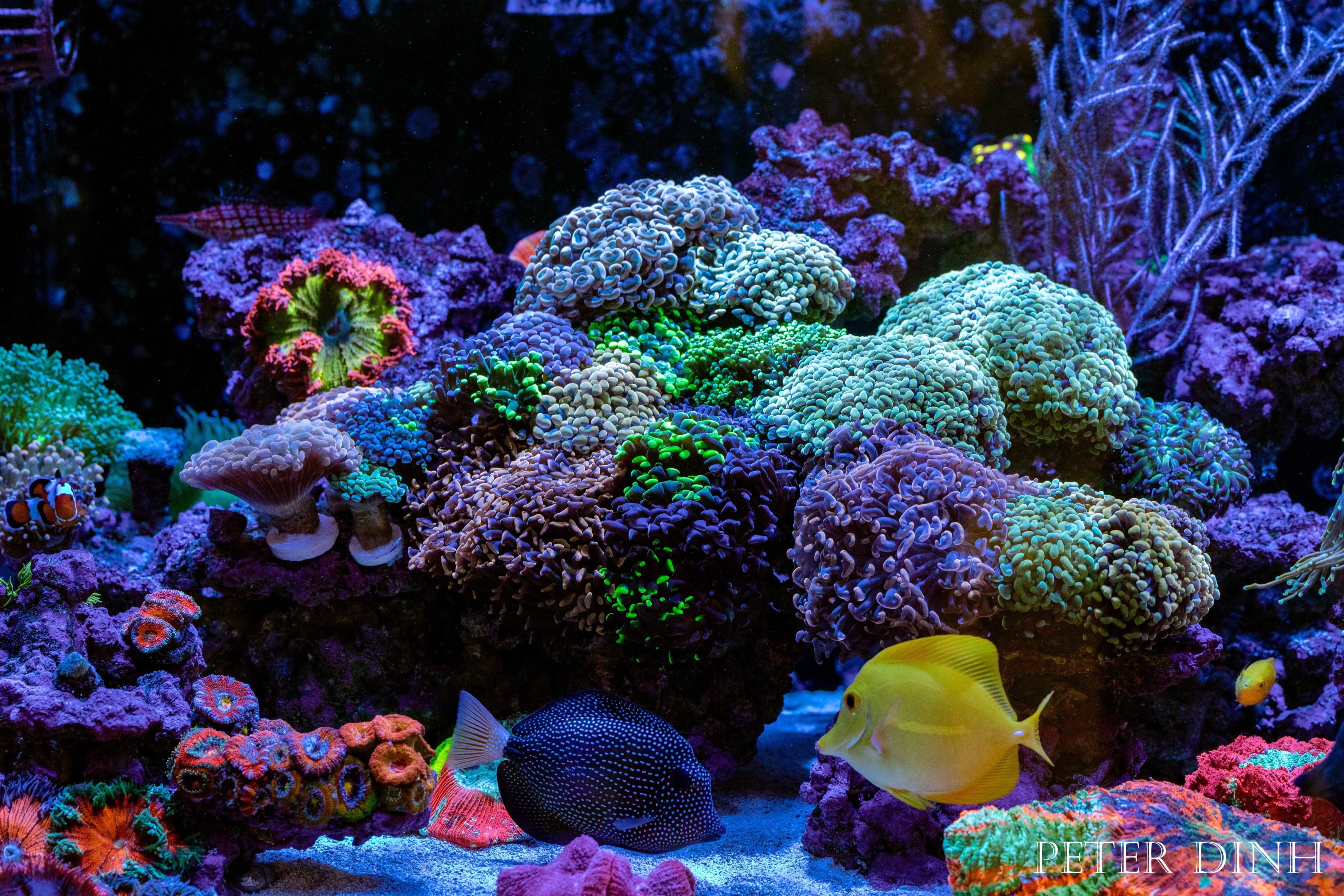
Learn how to place corals in a reef tank using lighting, flow, aggression, spacing, aquascape zones, coral compatibility and long-term growth planning.
Learn how to place corals in a reef tank using lighting, flow, aggression, spacing, compatibility, aquascape zones and long-term coral growth planning.
by Scott Shiles • May 14, 2025
Reef Tank Maintenance, Reef Tank Equipment, All Corals
Coral placement is one of the most important parts of building a successful reef tank because where you place each coral directly affects its health, growth, color, extension, and long-term survival. A reef tank can have strong equipment, stable water parameters, and high-quality livestock, but poor placement can still lead to stress, stinging, shading, weak polyp extension, algae problems, tissue damage, and slow decline.
Many reef keepers choose corals based on color first and then try to figure out placement later. That usually creates avoidable problems. Corals are living animals with different lighting needs, water flow preferences, aggression levels, growth forms, and space requirements. Some belong high in strong light and turbulent flow. Others do better in lower, calmer areas where fleshy tissue can expand without getting blasted.
At Extreme Corals, we see how much better corals perform when they are placed according to their real needs instead of just where they look good on the first day. This guide explains how to place corals in a reef tank the right way, including lighting, flow, coral aggression, spacing, aquascape design, future growth, mounting, and common placement mistakes. For broader care guidance, you can also review our coral care guide, reef tank lighting guide, and water flow and coral health guide.
Why Coral Placement Matters in a Reef Tank
Coral placement affects far more than how the tank looks. It controls how much light a coral receives, how water moves around its tissue, whether waste can clear away, how much room it has to expand, and whether it will eventually touch or sting a neighboring coral.
Good coral placement helps manage:
- Lighting exposure: Supports photosynthesis, coloration, and growth.
- Water flow: Affects polyp extension, feeding response, gas exchange, and waste removal.
- Coral aggression: Reduces stinging, sweeper tentacle damage, and chemical competition.
- Future growth: Prevents overcrowding, shading, and constant rearranging.
- Aquascape balance: Creates a reef that looks natural while still supporting coral health.
A coral that is healthy when purchased can still struggle if it is placed in the wrong zone. Good placement gives each coral a better chance to adapt, extend, feed, grow, and hold color.
Start With Coral Needs, Not Just Appearance
One of the biggest mistakes in reef tank design is building the layout around looks alone. A coral may look perfect in a certain spot visually, but if the lighting, flow, or spacing is wrong, it may never thrive there.
Before placing any coral, ask:
- Does this coral prefer low, moderate, or high light?
- Does it need gentle, moderate, or strong flow?
- Does it have sweeper tentacles or a strong sting?
- Will it encrust, plate, branch, spread, or inflate?
- How large could it become in one year?
- Will it shade, crowd, sting, or overgrow nearby corals?
When you place corals according to their needs first, the reef usually ends up looking more natural and performing better. The best displays combine health, color, structure, and long-term planning.
Create Coral Zones in the Reef Tank
A successful reef tank is not one uniform environment. Light and flow change from the top of the aquascape to the sandbed, from open rock ledges to shaded caves, and from high-flow pump paths to calmer corners. Thinking in zones makes coral placement easier and more predictable.
Upper Reef Zone
The upper zone usually receives stronger lighting and stronger flow. This area is often best for light-loving SPS corals and some higher-light encrusting or plating corals when they are acclimated properly.
Good upper-zone candidates may include:
Middle Reef Zone
The middle zone often works well for many LPS corals and mixed reef centerpieces because it provides moderate light and moderate flow. This is one of the most flexible coral placement areas in many tanks.
Good middle-zone candidates may include:
- Hammer Coral
- Frogspawn Coral
- Favia Coral
- Many chalice and brain-style LPS corals with proper spacing
Lower Reef and Sandbed Zone
The lower zone is usually best for lower-light, fleshy, or more delicate corals that need room to inflate without rubbing against sharp rock. This area is important for many showpiece LPS corals.
Good lower-zone candidates may include:
- Trachyphyllia
- Acanthophyllia
- Indophyllia
- Fungia Plate Coral
- Mushrooms and lower-light soft corals
Isolated Islands
Isolated islands are useful for corals that can spread quickly. Placing them on separate rock structures makes it easier to control growth and keep them from overtaking the main aquascape.
Good island candidates may include:
- Green Star Polyps
- Pulsing Xenia
- Zoanthids
- Mushroom corals
Match Coral Placement to Lighting
Lighting is one of the main reasons coral placement matters. A coral placed too high can bleach or shrink from excess intensity. A coral placed too low may lose color, grow slowly, or stretch toward light. The right placement depends on the coral type, tank depth, light fixture, spectrum, water clarity, and acclimation history.
General lighting placement guidelines:
- High light: Many SPS corals and some high-energy encrusting corals.
- Moderate light: Many LPS corals, Euphyllia, Favia, Favites, and mixed reef corals.
- Low to moderate light: Many fleshy LPS corals, chalices, mushrooms, and lower-light soft corals.
Avoid moving new corals directly into the brightest part of the tank unless you know they were already adapted to similar conditions. Gradual light acclimation is safer than guessing. For more detail on PAR, spectrum, and light response, read our reef tank lighting guide.
Match Coral Placement to Water Flow
Water flow affects coral health as much as light does. Flow delivers oxygen and nutrients, removes waste, prevents detritus buildup, supports feeding response, and helps corals shed mucus or debris. The wrong flow can cause tissue damage, poor extension, algae buildup, or slow decline.
General flow placement guidelines:
- Strong indirect flow: Many SPS corals and some plating or branching corals.
- Moderate indirect flow: Many LPS corals, Euphyllia, Favia, Favites, and chalices.
- Gentle indirect flow: Fleshy sandbed LPS corals, mushrooms, and delicate soft corals.
Direct blasting is one of the most common placement problems. A coral may need strong water movement but still be harmed by a narrow stream from a powerhead. Aim for indirect, random, natural movement instead of harsh one-direction flow. Our water flow and coral health guide explains this in more detail.
Understand Coral Aggression Before Placing Corals
Not all corals make good neighbors. Some corals extend sweeper tentacles, some have strong stings, some release chemical compounds, and some grow so quickly that they overtake nearby areas. Compatibility should always be part of your placement plan.
Common aggression and compatibility concerns include:
- Torch, Hammer, and Frogspawn corals: Can sting nearby corals with tentacles or sweepers.
- Favia, Favites, Platygyra, and chalice corals: May extend sweepers after dark.
- Green Star Polyps and Xenia: Can spread quickly onto surrounding rockwork.
- Mushrooms: Can multiply and crowd slower-growing corals.
- Soft corals: Some may create chemical competition in crowded mixed reefs.
A coral may look safe next to another coral for a few weeks, then become a problem as it grows, expands, or starts extending sweepers. Planning for future interaction matters just as much as current spacing.
How Much Space Should You Leave Between Corals?
There is no single spacing rule for every coral, but giving corals more room than they appear to need is usually safer than crowding them. Small frags can grow into large colonies, and many LPS corals can extend tissue or sweepers well beyond the visible skeleton.
Practical spacing guidelines:
- Leave several inches around peaceful LPS and soft corals.
- Leave at least 6 inches around aggressive LPS corals when possible.
- Give Euphyllia room for full daytime expansion and nighttime sweepers.
- Keep fast spreaders on isolated rocks if you want control.
- Plan for future colony size, not just frag size.
Overcrowding leads to shading, stinging, tissue damage, and frequent rearranging later. A slightly open reef often looks better and performs better than one packed solid from day one.
Plan Coral Growth Before You Glue Anything
Coral placement is easier before the coral is permanently attached. Once a coral encrusts, plates, branches, or grows into the rockwork, moving it becomes more difficult and more stressful.
Before gluing a coral, consider:
- Will this coral shade anything as it grows?
- Will it grow across the rock and become hard to remove?
- Could it sting or be stung by nearby corals?
- Will it block flow around other corals?
- Will it still look balanced when it triples in size?
Good placement is not just about where the coral looks best today. It is about where that coral can live successfully over the next year and beyond.
How to Arrange Corals for Better Reef Tank Aesthetics
A reef tank should be healthy first, but appearance still matters. A well-designed tank usually has variation in height, color, movement, and texture without looking cramped or overly symmetrical.
Aesthetic placement tips include:
- Layer heights: Place taller or branching corals toward the back or upper rockwork.
- Mix textures: Combine branching, plating, encrusting, fleshy, and soft movement corals.
- Use negative space: Leave open areas for fish movement and visual depth.
- Create focal points: Give showpiece corals room to stand out.
- Balance color: Spread similar colors throughout the tank instead of clustering everything in one area.
A natural-looking reef usually feels more balanced than one packed from top to bottom. Open space can make the corals you do have look more important and healthier.
Secure Corals Properly
Once you know where a coral belongs, securing it properly matters. A coral that falls, gets knocked over by fish, or is blown loose by flow can become damaged quickly.
Good mounting habits include:
- Use reef-safe coral glue or epoxy.
- Make sure the coral is stable before walking away.
- Avoid awkward angles that may cause future tipping.
- Keep fleshy tissue from rubbing against sharp rock.
- Consider future fragging or removal before mounting permanently.
Fleshy LPS corals should never be wedged tightly into rock where tissue will scrape. SPS and encrusting corals should be mounted firmly enough that they can grow without being dislodged.
Monitor Coral Placement as the Reef Grows
Coral placement is not a one-time decision forever. As corals grow, they may shade one another, expand farther than expected, or become more aggressive than they appeared when small.
Recheck placement regularly for:
- New shading from faster-growing corals
- Corals touching or nearly touching
- Sweeper tentacle damage after dark
- Flow blockage from larger colonies
- Fast spreaders moving onto unwanted rockwork
- Corals losing color after being shaded
The best reef tanks evolve over time. Staying ahead of growth helps keep the system healthier and avoids major rearranging later.
Common Coral Placement Mistakes to Avoid
Placing Corals Too Close Together
Overcrowding is one of the most common reef tank mistakes. It may look impressive at first, but it often leads to stinging, shading, recession, and long-term instability.
Ignoring Sweeper Tentacles
Many LPS corals look peaceful during the day but extend sweepers at night. Check aggressive corals after lights out before assuming nearby corals are safe.
Putting Low-Light Corals Too High
Fleshy LPS, mushrooms, and some chalice corals can bleach or shrink when placed too high under strong lighting. Start lower and move slowly if needed.
Putting High-Flow Corals in Dead Spots
SPS corals and many plating corals need active water movement. Dead spots can lead to detritus buildup, poor growth, and algae problems.
Forgetting Future Growth
A frag may look tiny when purchased, but many corals can grow quickly once established. Plan for the colony, not just the plug.
Gluing Too Soon
It is often smarter to test placement first, watch the coral for a few days, and then secure it once you are confident the location is right.
How to Build a More Balanced Reef Tank
A strong reef layout balances health, function, and appearance. The best tanks are not just colorful. They are designed around coral needs, future growth, and long-term stability.
A balanced reef tank usually includes:
- Open space for fish movement and coral growth
- Separate zones for different light and flow needs
- Enough space around aggressive corals
- Isolated rocks for fast-spreading corals
- Good access for cleaning, fragging, and maintenance
- A mix of height, movement, texture, and color
When you understand coral compatibility, spacing, lighting, and flow, you can build a reef that looks better, grows better, and causes fewer problems over time.
Related Corals and Reef Tank Topics You May Also Like
If you are planning coral placement and building a better reef layout, these related guides and categories can help:
- Reef Tank Lighting Guide - Learn how PAR, spectrum, and acclimation affect coral placement.
- Water Flow and Coral Health - Improve coral extension, movement, and waste removal.
- LPS vs SPS Corals - Compare placement and care needs across major stony coral groups.
- Keeping LPS Corals Successfully - Review LPS placement, feeding, and setup rules.
- Best Beginner Corals - Choose easier corals for new reef tank zones.
- New Arrival Corals - Browse recently added corals for your reef tank.
- LPS Corals - Shop colorful large polyp stony corals for moderate-light zones.
- SPS Corals - Shop small polyp stony corals for higher-light, higher-flow zones.
Shop Corals for Every Zone of Your Reef Tank
The best coral placement plan starts with choosing corals that fit your tank’s lighting, flow, space, and experience level. Whether you are building a mixed reef, LPS garden, soft coral display, or SPS-focused system, placing each coral in the right zone helps improve color, growth, extension, and long-term success.
Browse new arrival corals, coral colonies, LPS corals, SPS corals, and soft corals at ExtremeCorals.com to build a reef tank with better placement, better balance, and better long-term results.
Frequently Asked Questions About Coral Placement
Why is coral placement important in a reef tank?
Coral placement affects lighting, flow, aggression, growth, feeding response, color, and long-term health. A good placement plan helps corals settle better and reduces future problems.
How much space should I leave between corals?
Leave enough room for full expansion, future growth, and sweeper tentacles. Peaceful corals still need several inches, while aggressive LPS corals often need 6 inches or more when possible.
Where should SPS corals be placed?
Many SPS corals do best in upper to middle rockwork where they receive stronger lighting and strong indirect flow. New SPS frags should still be acclimated gradually.
Where should LPS corals be placed?
Many LPS corals do best in middle or lower areas with moderate lighting, moderate indirect flow, and enough room from neighboring corals.
Where should soft corals be placed?
Many soft corals do well in lower to middle areas with moderate light and gentle to moderate flow. Fast-spreading soft corals are often best kept on isolated rocks.
Should I glue corals down right away?
It is often better to test placement first, watch how the coral responds, and then secure it once you are confident the location is right.
Can corals touch each other?
Some compatible corals may tolerate close placement, but many corals can sting, irritate, shade, or overgrow each other. It is safer to leave space unless you know the specific corals are compatible.
How often should I adjust coral placement?
Check placement as corals grow. Reassess spacing every few months in active reef tanks, especially around aggressive LPS corals, fast spreaders, and plating or branching colonies.
About the Author
Scott Shiles is the owner of ExtremeCorals.com, which he has operated for over 25 years and is recognized as one of the early dedicated live coral websites on the internet. A lifelong reef keeper since 1984, Scott has decades of hands-on experience maintaining marine aquariums and previously owned and operated a brick and mortar aquarium retail store for 10 years, including five years alongside Extreme Corals. He holds a degree in Marine Biology and has personally selected and sold hundreds of thousands of live corals. An avid scuba diver who has explored reef systems around the world, Scott shares practical coral care and husbandry knowledge based on real world reef experience.
overall rating:
my rating:
log in to rate
Please log in to leave a comment.
For more information visit: additional resources