My Cart: 0 item(s)

Extreme Corals News and Updates
Best Beginner Corals for First-Time Reef Keepers: Easy Corals for a Healthy Reef Tank
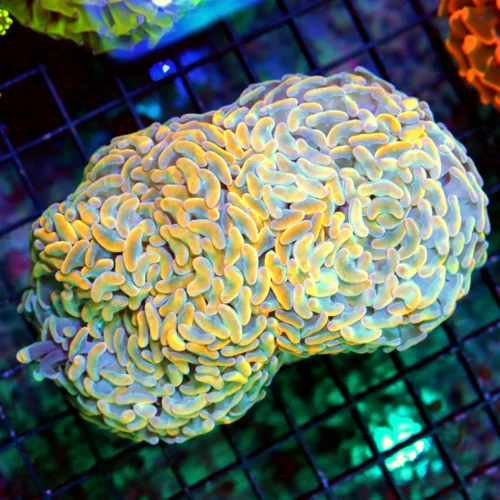
Explore the best beginner corals for new reef tanks, including zoanthids, mushrooms, Green Star Polyps, leather corals, Duncan, Candy Cane, Xenia, Hammer and Clove Polyps.
Discover the best beginner corals for first-time reef keepers, including hardy soft corals and LPS corals that offer color, movement, easy care and reef tank success.
by Scott Shiles • May 12, 2026
Choosing the right beginner corals can make the difference between a frustrating first reef tank and a reef aquarium that builds confidence from the start. New reef keepers are already learning saltwater mixing, lighting, flow, testing, algae control, coral placement, and water stability. Starting with hardy, adaptable corals gives you more room to learn while still creating a colorful and rewarding display.
The best beginner corals are not boring. Many of the easiest corals in the reef hobby offer bright colors, movement, interesting growth patterns, and strong visual impact. Zoanthids, mushrooms, Green Star Polyps, leather corals, Duncan Coral, Candy Cane Coral, Xenia, Hammer Coral, and Clove Polyps can all help a new reef tank look alive without requiring advanced SPS-level care.
At Extreme Corals, we work with reef keepers at every level, from first-time hobbyists buying their first coral frag to experienced aquarists building mature mixed reefs. This guide explains the best beginner corals for first-time reef keepers, what makes each one easier to care for, where to place them, and how to avoid common beginner mistakes.
What Makes a Coral Beginner Friendly?
A beginner-friendly coral is usually hardy, adaptable, and able to tolerate normal learning curves better than more delicate coral species. That does not mean the coral can survive neglect. It means the coral is more forgiving when the tank is stable but not perfect.
Good beginner corals usually have:
- Reasonable lighting needs
- Moderate or flexible flow requirements
- Good tolerance for mature beginner reef systems
- Visible signs of health or stress
- Strong color or movement
- Manageable feeding needs
- Lower risk compared with advanced SPS corals
Even easy corals still need stable salinity, temperature, alkalinity, and nutrients. The goal is to start with corals that match a new reef keeper’s experience while the tank continues to mature.
Best Water Parameters for Beginner Corals
Most beginner corals do well in stable reef water rather than constantly changing conditions. Chasing perfect numbers can create more problems than keeping the tank steady within a good range.
| Parameter | Recommended Range |
|---|---|
| Temperature | 76-80°F |
| Salinity | 1.024-1.026 specific gravity |
| pH | 8.1-8.4 |
| Alkalinity | 8-10 dKH |
| Calcium | 400-450 ppm |
| Magnesium | 1250-1350 ppm |
| Nitrate | 5-15 ppm |
| Phosphate | 0.03-0.10 ppm |
Before adding corals, make sure the aquarium is fully cycled, ammonia and nitrite are zero, salinity is stable, and the tank has consistent lighting and flow.
1. Zoanthids
Zoanthids, often called zoas, are among the most popular beginner corals because they offer huge color variety, manageable care, and strong colony-building potential. They grow as small polyps across rock, frag plugs, and rubble, making them excellent for zoa gardens and colorful lower to middle rockwork.
Zoanthids are great for beginners because they:
- Come in many colors and patterns
- Usually adapt well to moderate lighting
- Can grow into attractive colonies
- Work well in nano reefs and mixed reefs
- Are easy to place on isolated rocks or rubble
Most zoanthids do well under moderate lighting and low to moderate or moderate indirect flow. They should be inspected carefully for pests such as sundial snails and zoanthid-eating nudibranchs. Always handle zoanthids safely, avoid touching your face while working with them, and wash your hands and tools afterward.
2. Green Star Polyps
Green Star Polyps are hardy soft corals known for bright green color and waving polyps. They can create beautiful movement and can spread quickly when they are happy.
Green Star Polyps are beginner friendly because they:
- Are very hardy in stable reef tanks
- Add strong movement under reef flow
- Grow quickly once established
- Adapt to a range of lighting and flow
- Create a bright green mat over rockwork
The main caution with Green Star Polyps is growth control. They can spread across rockwork and crowd other corals if placed directly on the main reef structure. Many reef keepers place them on an isolated rock or back wall where their growth can be managed.
3. Mushroom Corals
Mushroom corals are excellent beginner corals because they are hardy, colorful, and often comfortable in lower-light areas where other corals may struggle. Discosoma, Rhodactis, and Ricordea mushrooms can all add color and texture to a beginner reef tank.
Mushrooms are good beginner corals because they:
- Usually prefer low to moderate lighting
- Do not need intense flow
- Can tolerate moderate nutrients better than many delicate corals
- Offer bright colors and interesting textures
- Work well on lower rockwork or rubble islands
Avoid placing mushrooms in very high light or strong direct flow. If a mushroom stays tight, shrinks, or detaches, it may be getting too much light or too much current.
4. Toadstool Leather Coral
Toadstool Leather Coral is a classic beginner soft coral because it is durable, attractive, and able to grow into a strong centerpiece over time. Its broad cap and extended polyps add height, texture, and natural movement to the aquarium.
Toadstool Leather Corals are beginner friendly because they:
- Are hardy once established
- Add height and structure to the reef
- Usually tolerate moderate lighting and flow
- Can become impressive display corals
- Work well in many soft coral and mixed reef tanks
Leather corals may occasionally close and shed a waxy film. This can be normal, especially when they are adjusting or cleaning their surface. Good flow helps them shed and reopen.
5. Duncan Coral
Duncan Coral is one of the best beginner LPS corals. It has large tentacled polyps, a peaceful nature, and a clear feeding response that helps new reef keepers learn how corals behave.
Duncan Coral is a good beginner choice because it:
- Is hardy for an LPS coral
- Has visible polyp extension
- Responds well to occasional feeding
- Usually does well in moderate lighting
- Is generally peaceful compared with many aggressive LPS corals
Place Duncan Coral in moderate light and moderate indirect flow. It can be fed small meaty foods occasionally, but heavy feeding is not required if the tank already has balanced nutrients and fish feeding.
6. Candy Cane Coral
Candy Cane Coral, also called Caulastrea, is a branching LPS coral with colorful fleshy heads. It is often a smart choice for beginners ready to try a stony coral because it shows clear growth and is easier than many more delicate LPS corals.
Candy Cane Coral is beginner friendly because it:
- Has moderate care requirements
- Usually adapts well to stable beginner tanks
- Can grow new heads over time
- Does well with moderate lighting
- Offers visible feeding tentacles after lights dim
Give Candy Cane Coral moderate light, moderate flow, and enough space so its fleshy heads are not irritated by nearby corals or rockwork.
7. Pulsing Xenia
Pulsing Xenia is famous for its rhythmic pulsing motion. It can be exciting for beginners because it moves visibly, grows quickly, and often reacts clearly to tank conditions.
Xenia is popular with new reef keepers because it:
- Adds constant motion
- Often grows quickly
- Can adapt to moderate lighting
- Is visually different from many other corals
- Can help beginners observe coral behavior
The main caution is growth control. Xenia can spread quickly in some tanks and may become difficult to manage if placed directly on the main aquascape. Consider placing it on an isolated rock where it can be trimmed or controlled.
8. Hammer Coral
Hammer Coral is a popular beginner-to-intermediate LPS coral that adds movement, color, and a classic reef tank look. It is slightly more demanding than soft corals, but many beginners can succeed with Hammer Coral once the tank is stable.
Hammer Coral is a good next-step coral because it:
- Adds flowing movement
- Comes in attractive colors
- Can grow new heads in stable tanks
- Usually does well under moderate lighting
- Helps beginners learn LPS spacing and flow needs
Hammer Coral needs moderate indirect flow. Strong direct flow can damage its fleshy tissue. It also needs space from other corals because Euphyllia-style corals can sting neighbors if placed too closely.
9. Clove Polyps
Clove Polyps are soft corals with feathery polyps that add texture and gentle movement to a reef tank. They can grow across rock surfaces and are often easier than many stony corals.
Clove Polyps are beginner friendly because they:
- Add soft movement
- Usually adapt to moderate lighting
- Can grow into attractive colonies
- Work well in soft coral displays
- Are generally manageable with proper placement
Like many spreading soft corals, placement matters. Keep Clove Polyps where growth can be managed so they do not overtake slower corals.
10. Kenya Tree Coral
Kenya Tree Coral is a resilient soft coral that has been a beginner favorite for many years. It adds vertical shape and soft movement while tolerating a range of beginner reef conditions.
Kenya Tree Coral is beginner friendly because it:
- Is very hardy in stable reef tanks
- Grows readily once established
- Adds height and natural movement
- Does not need intense lighting
- Can tolerate normal beginner learning curves
Kenya Tree can spread by dropping branches, so keep an eye on where new pieces attach. It can be a confidence-building coral, but it should still be managed like other fast-growing soft corals.
Soft Corals vs LPS Corals for Beginners
Most first-time reef keepers do best starting with soft corals, mushrooms, and zoanthids before adding more LPS corals. Soft corals are often more forgiving, while LPS corals may need more careful spacing, feeding, and flow control.
Beginner soft corals are usually best for:
- Early reef tank confidence
- Lower to moderate lighting
- Movement and texture
- Hardier coral growth
Beginner LPS corals are usually best once:
- The tank is stable
- Alkalinity and salinity are consistent
- The reef keeper understands coral spacing
- Flow can be adjusted to avoid tissue damage
A smart beginner reef often starts with hardy soft corals, then adds beginner-friendly LPS corals as the aquarium matures.
Beginner Coral Placement Tips
Placement is one of the most important parts of beginner coral success. Even a hardy coral can struggle if it is placed in the wrong lighting or flow zone.
Good placement habits include:
- Start new corals lower when unsure about lighting.
- Keep fleshy LPS corals away from strong direct flow.
- Use isolated rocks for fast-spreading corals.
- Leave space around Hammer, Candy Cane, and other LPS corals.
- Place mushrooms in lower-light, lower-flow areas.
- Watch coral response before moving pieces repeatedly.
Plan for growth. A small frag may look harmless at first, but many beginner corals can spread or expand much more over time.
Common Beginner Coral Mistakes
Beginner corals are hardy, but they are not indestructible. Most problems come from rushing, unstable water, poor placement, or adding too many corals too quickly.
Common mistakes include:
- Adding corals before the tank is cycled
- Using unstable salinity or poor source water
- Placing low-light corals under intense light too quickly
- Blasting fleshy LPS corals with direct flow
- Letting fast-growing corals spread onto the main rockwork
- Ignoring coral spacing and aggression
- Overfeeding and causing nutrient spikes
- Changing lights and water chemistry too aggressively
The best beginner reef tanks are built slowly. Add a few hardy corals, watch how they respond, and let the system mature before adding more demanding pieces.
Related Corals You May Also Like
If you are building your first reef tank, these coral categories and care guides can help you choose beginner-friendly pieces that match your tank:
- New Coral Frags - Browse coral frags that can work well for new and growing reef tanks.
- Zoanthids - Shop colorful zoanthids for zoa gardens and beginner reef displays.
- Mushroom Corals - Explore hardy mushroom corals for lower-light reef zones.
- Soft Corals - Choose hardy soft corals with movement and adaptable care needs.
- LPS Corals - Browse beginner-to-intermediate LPS corals with color and feeding response.
- Reef Tank Lighting Guide - Learn how to match corals to lighting zones.
- Coral Pests and Predators - Learn how to inspect new corals before adding them.
- Coral Care Guides - Browse care resources for soft corals, LPS, SPS, mushrooms, and zoanthids.
Shop Beginner-Friendly Corals
Beginner-friendly corals help new reef keepers build confidence while still creating a colorful, active reef display. Start with hardy corals that match your tank’s lighting, flow, and maturity, then add more variety as your experience grows.
Browse new coral frags, zoanthids, mushroom corals, soft corals, LPS corals, and Scott's Handpicked Corals at ExtremeCorals.com to find healthy corals for your reef tank.
Frequently Asked Questions About Beginner Corals
What is the easiest coral for beginners?
Zoanthids, mushroom corals, Green Star Polyps, Kenya Tree Coral, and some leather corals are among the easiest corals for many beginner reef keepers.
Are LPS corals good for first-time reef keepers?
Some LPS corals are good for beginners once the tank is stable. Duncan Coral, Candy Cane Coral, and Hammer Coral can be good options with proper placement and moderate flow.
Should beginners start with SPS corals?
Most beginners should wait before trying SPS corals. SPS corals usually require stronger lighting, stronger flow, mature tank conditions, and more stable alkalinity than soft corals or beginner LPS corals.
How many corals should I add at once?
Add only a few corals at a time, especially in a new tank. Slow additions make it easier to monitor water quality, coral response, and placement success.
Do beginner corals need feeding?
Many beginner corals rely heavily on light and nutrients from the water, but some LPS corals such as Duncan and Candy Cane may benefit from occasional small target feedings.
Can beginner corals grow too fast?
Yes. Green Star Polyps, Xenia, Kenya Tree Coral, and some zoanthids can spread quickly. Use isolated rocks or controlled placement to prevent them from overtaking other corals.
What lighting do beginner corals need?
Most beginner corals do well under low to moderate or moderate reef lighting. Avoid placing new corals under intense light too quickly, and acclimate them gradually.
What is the biggest mistake new reef keepers make with corals?
The biggest mistake is usually moving too fast. Adding corals before the tank is stable, changing lighting too quickly, or buying corals without understanding their needs can lead to early losses.
About the Author
Scott Shiles is the owner of ExtremeCorals.com, which he has operated for over 25 years and is recognized as one of the early dedicated live coral websites on the internet. A lifelong reef keeper since 1984, Scott has decades of hands-on experience maintaining marine aquariums and previously owned and operated a brick and mortar aquarium retail store for 10 years, including five years alongside Extreme Corals. He holds a degree in Marine Biology and has personally selected and sold hundreds of thousands of live corals. An avid scuba diver who has explored reef systems around the world, Scott shares practical coral care and husbandry knowledge based on real world reef experience.
overall rating:
my rating:
log in to rate
Please log in to leave a comment.
For more information visit: additional resources