My Cart: 0 item(s)

Extreme Corals News and Updates
Xenia Coral Care Guide: Lighting, Flow, Growth and Control in Reef Tanks
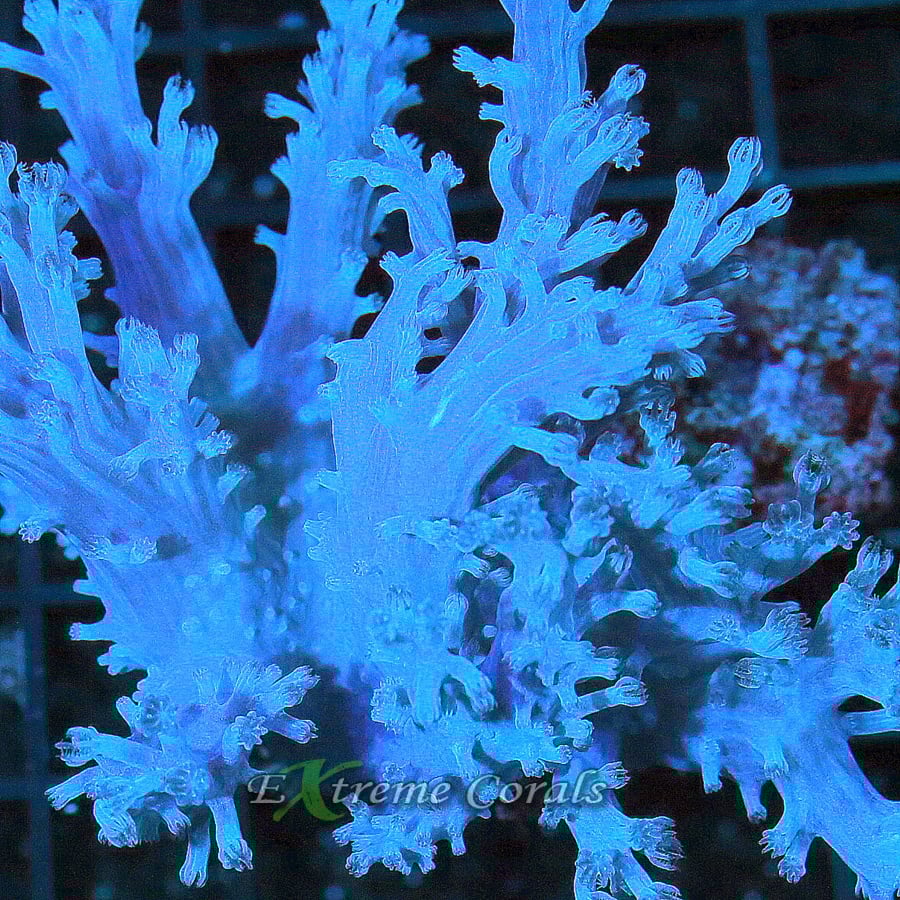
Learn how to care for Xenia coral in a home reef aquarium with the right lighting, flow, placement, feeding, and growth control for long-term success.
Learn how to care for Xenia coral in a reef tank with tips on lighting, flow, placement, feeding, propagation, water stability, and controlling fast growth.
by Scott Shiles • May 14, 2025
Xenia coral is one of the most recognizable soft corals in reef aquariums because of its pulsing motion, fast growth, and beginner-friendly care requirements. Often called Pulsing Xenia, this soft coral is famous for its graceful polyps that rhythmically open and close, creating constant movement in the tank. This guide explains the care requirements of Xenia in home reef aquariums, including water parameters, lighting, flow, feeding, placement, propagation, common problems, and how to control its rapid spread.
For many reef keepers, Xenia is one of the first corals that makes the aquarium feel truly alive. Its pulsing action adds motion that very few other corals can match, and its hardiness makes it appealing to both beginners and experienced hobbyists. At the same time, Xenia is a fast grower, so the same traits that make it easy can also make it invasive if placement is not planned carefully.
Looking to add hardy soft corals to your reef tank? Browse our soft corals for sale and explore healthy additions for your aquarium.
Introduction to Xenia
Xenia, commonly known as Pulsing Xenia, is a soft coral known for its unique pulsing polyps and easy care level. It commonly appears in shades of pink, brown, beige, and cream, with some varieties showing more fluorescent tones under blue or actinic lighting.
Its pulsing behavior is one of the reasons so many hobbyists enjoy keeping it. A healthy colony can create a gentle rhythmic motion that makes the aquarium feel more dynamic and natural.
Natural Habitat and Why It Matters
Xenia corals are found in the Indo-Pacific region, including Australia, Indonesia, Fiji, the Red Sea, and the Great Barrier Reef. In the wild, they are commonly attached to rocky surfaces in shallow lagoons, reef slopes, and tidal pools where lighting is moderate and flow is gentle to moderate.
That natural habitat explains why Xenia often does best in a stable aquarium with moderate lighting, gentle to moderate movement, and room to spread over hard surfaces.
Why Choose Xenia for Your Reef Tank?
- Beautiful pulsing motion that creates constant movement
- Fast growth and hardy behavior that make it beginner friendly
- Easy propagation for hobbyists who want to frag soft corals
- Natural nutrient uptake that can help in balanced systems
Xenia is especially attractive for reef keepers who want a coral that is visually active, relatively forgiving, and rewarding even in less advanced reef systems.
Optimal Water Parameters
Although Xenia is considered one of the easier corals to keep, it still performs best when water conditions are stable.
- Temperature: 76-80°F
- Salinity: 1.024-1.026 SG
- pH: 8.1-8.4
- Alkalinity: 8-10 dKH
- Calcium: 400-450 ppm
- Magnesium: 1250-1350 ppm
- Nitrate: 5-15 ppm
- Phosphate: 0.03-0.1 ppm
Weekly water changes of around 10-15% help maintain stability and prevent excessive nutrient buildup. Xenia often reacts poorly to sudden changes in alkalinity and overall chemistry, even though it is otherwise hardy.
If you are working on chemistry stability, read our guide on reef tank water parameters.
Tank Size and Setup
Xenia can be kept in a wide range of reef tank sizes, including smaller aquariums, as long as there is room for it to spread and enough stability in the system.
- Minimum tank size: 10 gallons or larger
- Placement zone: upper to mid-level areas often work well
- Attachment surfaces: live rock, glass, and even equipment in some cases
Because Xenia grows so quickly, many hobbyists isolate it on a single rock island or separate structure to keep it from taking over the main aquascape.
Lighting Requirements
Xenia coral usually thrives under moderate to moderately high lighting. Good lighting helps support both growth and pulsing behavior without pushing the coral into unnecessary stress.
- PAR range: about 100-200 PAR
- Lighting type: LED, T5, or hybrid reef setups work well
- Photoperiod: about 8-10 hours per day
Stable lighting tends to work better than frequent changes. If Xenia is placed under stronger light than it is used to, gradual acclimation is still the safest approach.
If you want to understand reef lighting better, read our guide on reef tank lighting.
Water Flow and Circulation
Moderate, indirect water flow is usually best for Xenia. The flow should be strong enough to keep the coral clean and provide steady movement, but not so direct that it interferes with pulsing behavior.
- Moderate indirect flow is usually ideal
- Avoid strong direct currents
- Gentle randomized movement often works best
- Too much flow can stop pulsing and stress the coral
When the flow is right, Xenia tends to look relaxed, extended, and rhythmically active rather than flattened or constantly retracted.
If you want to learn more about circulation, read our guide on water flow and coral health.
Feeding and Nutrition
Xenia primarily relies on photosynthesis, but occasional supplemental feeding can support growth in some systems.
- Preferred foods: phytoplankton, amino acids, and dissolved organics
- Feeding frequency: 1-2 times per week if desired
- Best method: broadcast feeding for even nutrient distribution
Xenia usually does not require heavy feeding, and in many tanks it will grow rapidly with only light support and stable reef conditions.
Tank Mates and Compatibility
Xenia is generally reef-safe and works well with many peaceful fish and invertebrates, but the bigger challenge is usually its growth rate rather than aggression.
- Safe companions: clownfish, gobies, blennies, shrimp, and snails
- Use caution near: slower-growing corals that can be overtaken
- Avoid fish known to nip soft corals: some angelfish and butterflyfish
Xenia is not usually dangerous to other corals in the same way aggressive LPS species are, but it can still become a problem if it spreads into their space.
Growth Rate and Propagation
Xenia is famous for its extremely fast growth. In a healthy reef tank, it can spread across rock surfaces, glass, and even equipment in a relatively short amount of time.
- It grows very quickly in stable conditions
- It spreads over hard surfaces with little encouragement
- It is one of the easiest soft corals to propagate
Propagation is simple:
- Use a sharp scalpel or scissors to cut a section of the colony
- Attach the cut section to a frag plug or rock using mesh, glue, or rubber bands
- Allow it time to reattach and spread naturally
Because it is so easy to frag, Xenia is often a great coral for hobbyists learning soft coral propagation.
Common Diseases and How to Prevent Them
Xenia is hardy, but a few common problems still appear from time to time.
- Melting or dissolving: often caused by unstable water parameters or sudden alkalinity changes
- Failure to pulse: can result from low oxygen, poor flow, or excessive nutrients
- Algae overgrowth: may smother the colony if nutrient levels get too high
Stable water conditions and consistent maintenance prevent most Xenia problems before they become serious.
Handling and Acclimation
Xenia should be handled gently because it can detach easily and does not always appreciate repeated repositioning.
- Drip acclimation is a safe starting method
- Minimize handling during introduction
- Allow the colony time to settle and attach
Once Xenia begins attaching well, it often becomes easier to manage, but the first few days are important for helping it settle in safely.
Maintenance and Cleaning
Xenia care is generally simple, but routine maintenance is still important.
- Perform weekly water changes of about 10-15%
- Trim back colonies when needed
- Keep nearby surfaces clean of algae and detritus
- Watch for signs of overgrowth into other coral zones
In many tanks, the biggest maintenance task with Xenia is not keeping it alive. It is keeping it contained.
Signs of Stress and How to Address Them
Xenia often shows visible signs when conditions are not right.
- Xenia stops pulsing: check oxygen, water movement, and nutrient levels
- Shrunken or retracted polyps: may indicate poor water quality or insufficient nutrition
- Melting or detachment: review alkalinity stability and overall tank consistency
If Xenia suddenly changes behavior, the first step is usually to review recent changes in chemistry, flow, or maintenance.
Troubleshooting Common Issues
Overgrowth
Trim colonies regularly and consider isolating them on a separate rock to prevent Xenia from spreading uncontrollably.
Failure to Attach
Use glue, mesh, rubber bands, or a frag rack to secure the coral until it establishes itself.
Slow Pulsing
Check oxygen levels and flow patterns. Xenia usually pulses best when circulation is gentle but steady.
Best Placement Strategy for Long-Term Success
One of the smartest ways to keep Xenia successfully is to plan for its speed of growth before placing it.
- Use an isolated rock island if possible
- Keep it away from slow-growing collector corals
- Use it where its movement can be appreciated
- Do not underestimate how quickly it can spread
Many hobbyists love Xenia’s motion but regret giving it access to the entire aquascape. Smart placement early solves that problem.
Related Corals You May Also Like
If you are interested in Xenia coral, you may also want to explore other hardy soft corals and beginner-friendly reef guides:
- Browse soft corals for sale
- Green Star Polyps care guide
- Sinularia leather coral guide
- Zoanthid care guide
- Coral health signs guide
Ready to add motion and color to your reef tank? Browse our soft corals for sale and explore hardy additions for your aquarium.
Shop Xenia and Soft Corals
Explore our soft corals, new arrival corals, and featured corals to build a more colorful reef tank.
Final Thoughts
Xenia is one of the most rewarding soft corals for home reef aquariums when you want motion, color, easy propagation, and manageable care. With stable water conditions, moderate light, gentle flow, and smart placement, it can become one of the most visually active and enjoyable corals in the tank.
Frequently Asked Questions
Q: How fast does Xenia grow?
A: Very quickly. Under good conditions, Xenia can cover surfaces in a matter of weeks.
Q: Can Xenia be kept in a nano tank?
A: Yes, but it needs regular pruning. Its rapid growth can take over a small tank quickly.
Q: Does Xenia require direct feeding?
A: No, not usually. It mainly relies on photosynthesis, though occasional feeding may support growth.
Q: How can I tell if my Xenia is unhealthy?
A: Watch for failure to pulse, melting tissue, or detachment from the substrate.
Q: Can Xenia be placed near other corals?
A: It should be spaced carefully. Xenia grows fast and can overtake slower-growing corals.
About the Author
Scott Shiles is the owner of ExtremeCorals.com, which he has operated for over 25 years and is recognized as one of the early dedicated live coral websites on the internet. A lifelong reef keeper since 1984, Scott has decades of hands-on experience maintaining marine aquariums and previously owned and operated a brick and mortar aquarium retail store for 10 years, including five years alongside Extreme Corals. He holds a degree in Marine Biology and has personally selected and sold hundreds of thousands of live corals. An avid scuba diver who has explored reef systems around the world, Scott shares practical coral care and husbandry knowledge based on real world reef experience.
overall rating:
my rating:
log in to rate
Please log in to leave a comment.
For more information visit: additional resources