My Cart: 0 item(s)

Extreme Corals News and Updates
Best Reef Tank Lighting: Complete Coral Lighting Guide for Growth, Color and Placement
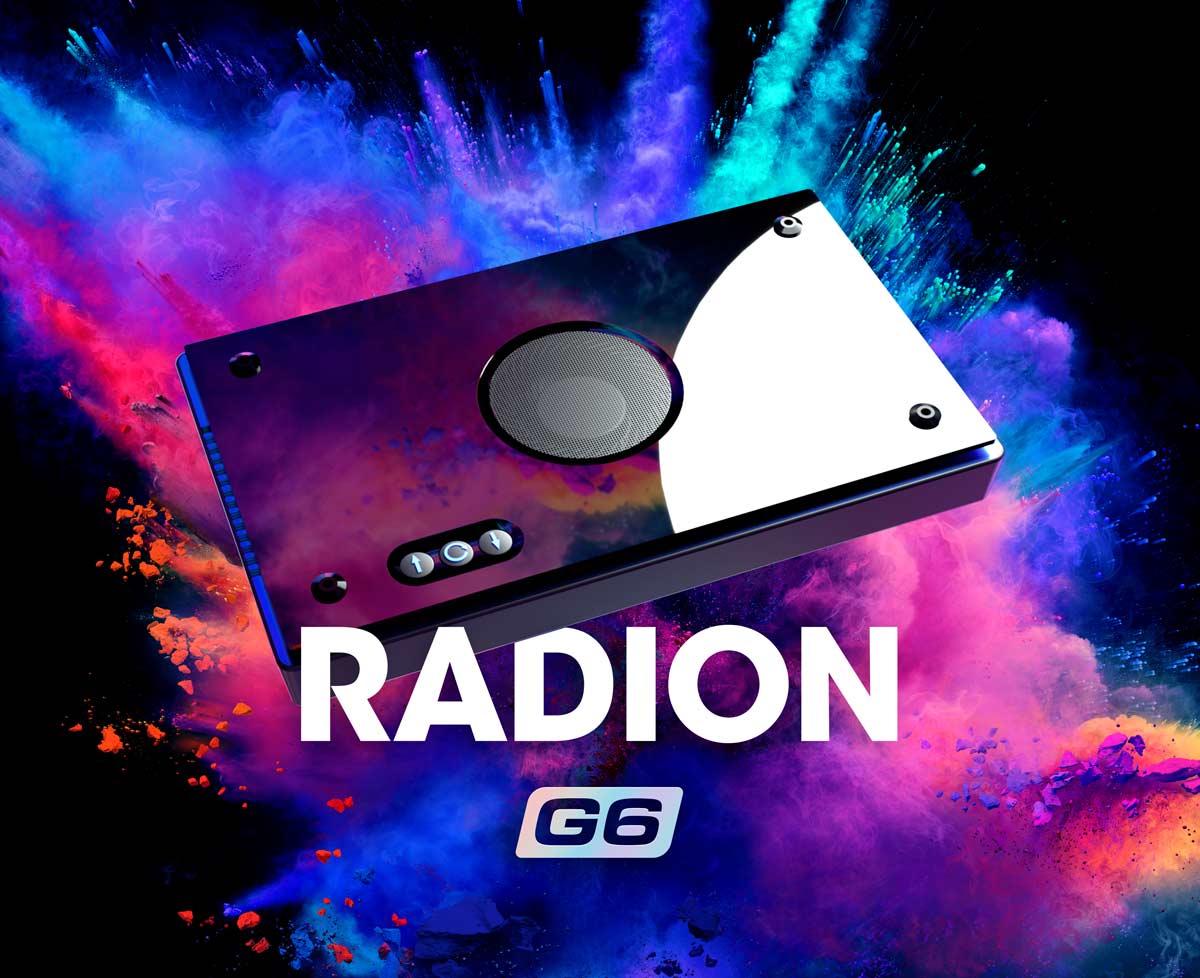
A comprehensive reef tank lighting guide from Extreme Corals covering LED reef lights, PAR, blue spectrum, coral placement, lighting schedules, soft coral, LPS, SPS lighting, and light acclimation.
Learn the best reef tank lighting for corals, including LED reef lights, PAR, blue spectrum, lighting schedules, soft coral, LPS, SPS placement and light acclimation.
by Scott Shiles • May 15, 2026
Reef Tank Equipment, All Corals
Reef tank lighting is one of the most important pieces of equipment in a saltwater aquarium because it directly affects coral color, growth, health, placement, and long-term success. The right light can help corals open fully, hold better color, grow stronger skeletons, and thrive in the right zones of the aquarium. The wrong light, or the right light used incorrectly, can cause bleaching, fading, poor growth, tissue stress, algae problems, and frustrated reef keepers.
Here at Extreme Corals, lighting is something we pay attention to every day. We have selected, photographed, shipped, and cared for live corals for decades, and in our experience, many coral problems trace back to lighting that is either too weak, too strong, changed too quickly, or mismatched to the coral being kept. Reef tank lighting is not just about buying the brightest fixture. It is about matching light intensity, spectrum, photoperiod, acclimation, and coral placement to the animals in your tank.
This complete reef tank lighting guide explains what kind of lighting corals need, how LED reef lights compare with metal halide and fluorescent lighting, how blue and white spectrum affect coral appearance and growth, what PAR means, how to place corals by light level, how to avoid bleaching, and how to choose a lighting system that fits your reef tank. If you are planning a new aquarium or upgrading your light, this guide will help you make better decisions before you buy corals.
If you are setting up or improving your reef tank, start with our coral care guide, browse our new arrival corals, and compare coral groups through our LPS corals, SPS corals, soft corals, and Zoanthids.
Why Reef Tank Lighting Matters So Much
Most popular reef aquarium corals are photosynthetic, meaning they rely partly on microscopic algae called zooxanthellae that live inside their tissue. These algae use light to produce energy that helps support the coral. This is one of the biggest reasons lighting is so important in reef aquariums.
Good reef lighting supports:
- Coral photosynthesis
- Coral color and fluorescence
- Growth and skeletal development in stony corals
- Healthy daily expansion and polyp extension
- Better coral placement options
- Long-term reef tank stability
Lighting also affects how your reef tank looks to the eye. Blue-heavy reef lighting can make coral fluorescence pop, while white light gives a more natural daylight appearance. The best reef lighting setup usually balances coral health with the look you want from the tank.
The Best Lighting for a Reef Tank
The best lighting for a reef tank depends on the corals you plan to keep. A soft coral tank, an LPS-focused tank, a mixed reef, and an SPS-dominant reef do not all need the same light intensity. In general, most reef tanks need a quality reef light with enough power, proper spectrum, reliable control, and the ability to adjust intensity over time.
For most modern reef keepers, high-quality LED reef lights are the best all-around choice because they are efficient, adjustable, controllable, and capable of producing the blue spectrum corals are known for responding to well. Metal halides and T5 fluorescent lights can still grow corals very well, but LEDs have become the dominant choice for many home reef aquariums.
The best reef light should provide:
- Enough PAR for the corals you want to keep
- A strong blue spectrum for coral fluorescence and photosynthesis
- Adjustable intensity
- Reliable spread across the aquarium
- A schedule that can be controlled consistently
- Good shimmer or even coverage depending on your preference
- Room to acclimate new corals slowly
In our experience, consistency matters just as much as equipment quality. A good reef light used poorly can still cause problems. A well-set light with the right placement and acclimation can make coral keeping much easier.
LED Reef Lighting
LED lighting is the most common reef lighting choice today. Quality LED fixtures can grow soft corals, LPS corals, Zoanthids, mushrooms, and SPS corals when sized and programmed correctly. LEDs are popular because they offer control over intensity, spectrum, sunrise and sunset schedules, and sometimes individual color channels.
LED reef lights are popular because they offer:
- Energy efficiency
- Adjustable spectrum
- Programmable intensity
- Strong blue output for coral fluorescence
- Lower heat transfer than metal halides
- Long fixture life
- Good options for nano tanks, mixed reefs, and SPS systems
The main risk with LEDs is that they can be stronger than they look. A tank may not appear extremely bright to your eyes, especially under blue light, but the PAR can still be high enough to stress corals. This is why light acclimation is important when switching fixtures or adding new corals.
T5 Fluorescent Reef Lighting
T5 fluorescent lighting has been used successfully for reef tanks for many years. T5 fixtures provide even light spread and reduce harsh shadowing. Many successful SPS and mixed reef tanks have been grown under T5 lighting, and some reef keepers still prefer T5 or LED/T5 hybrid systems for coverage.
T5 lighting can be useful because it provides:
- Very even light distribution
- Less shadowing than some point-source LEDs
- Proven coral growth potential
- Good color blending
- Useful support in hybrid lighting systems
The drawbacks are bulb replacement, heat, energy use, and less fine control compared with many modern LEDs. Still, T5 lighting remains a proven option for reef keepers who value even coverage.
Metal Halide Reef Lighting
Metal halide lighting was once the gold standard for serious reef aquariums, especially SPS-heavy systems. Metal halides produce intense light, strong shimmer, and proven coral growth. Many older reef keepers grew incredible corals under metal halide systems before LEDs became common.
Metal halides can offer:
- High intensity
- Excellent shimmer
- Strong coral growth potential
- A proven history with SPS and mixed reefs
The drawbacks are heat, energy use, bulb replacement, and less control compared with LEDs. They can still work very well, but many home reef keepers choose LEDs because they are easier to manage in modern systems.
Understanding Blue Light and White Light
Blue light is extremely important in reef tanks because many corals respond well to blue wavelengths and because blue-heavy lighting makes coral fluorescence stand out. This is why reef tanks often look very blue compared with freshwater aquariums or normal room lighting.
White light is also useful because it helps the tank look more natural and makes fish, rockwork, and coral structure easier to see. However, too much white light can make some tanks look washed out or increase visible algae appearance.
A good reef lighting schedule usually uses a balance of:
- Blue and royal blue channels for coral fluorescence and photosynthetic support
- Violet or near-UV channels when included in quality reef fixtures
- Some white light for visual balance
- Controlled intensity to avoid shocking corals
The best setting is not always the bluest or the whitest. The best setting is the one that keeps corals healthy, gives you the look you like, and stays consistent over time.
What Is PAR in a Reef Tank?
PAR stands for photosynthetically active radiation. In simple reef tank terms, PAR is a measurement of light available for photosynthesis. It helps reef keepers understand how much usable light is reaching different areas of the tank.
PAR matters because different corals prefer different light levels. A mushroom coral may thrive in a lower PAR zone where an Acropora would struggle. An SPS coral may need higher PAR where a fleshy LPS coral would bleach or retract.
General PAR guidance:
| Coral Type | General Light Level | Common PAR Starting Range |
|---|---|---|
| Mushrooms and many soft corals | Low to moderate | 50-100 PAR |
| Zoanthids | Low to moderate | 75-150 PAR |
| Many LPS corals | Moderate | 75-150 PAR |
| Many Euphyllia-style corals | Moderate | 75-150 PAR |
| Many SPS corals | Moderate to high | 150-300+ PAR depending on species and system |
These are general starting points, not absolute rules. Coral history, nutrient levels, spectrum, flow, tank depth, and acclimation all matter. A coral adapted to lower light should not be suddenly moved into a high PAR zone without acclimation.
Lighting for Soft Corals
Many soft corals do well under low to moderate reef lighting. They usually do not require the high-intensity lighting used for many SPS corals. Soft corals often benefit from steady lighting, measurable nutrients, and good water movement.
Soft corals that often prefer lower to moderate light include:
- Leather corals
- Clove Polyps
- Green Star Polyps
- Kenya Tree corals
- Many mushroom corals
- Some Zoanthids depending on variety
Too much light can cause some soft corals to close, shrink, fade, or stop expanding well. If you keep soft corals, browse our soft corals for sale and read our Clove Polyps care guide.
Lighting for LPS Corals
LPS corals often do best under moderate lighting. Many fleshy LPS corals can become stressed under very strong light, especially if they are placed too high too quickly. LPS corals usually need enough light to support color and energy, but not so much that tissue tightens, fades, or bleaches.
LPS corals that often prefer moderate lighting include:
- Torch Corals
- Hammer Corals
- Frogspawn Corals
- Favia and Favites
- Acanthophyllia
- Scolymia
- Trachyphyllia
- Wellsophyllia
Many LPS corals look best when they are placed in moderate light with moderate indirect flow and stable nutrients. Browse our LPS corals for sale, and compare our Torch Coral guide and Hammer Coral guide.
Lighting for SPS Corals
SPS corals usually need stronger lighting than soft corals and many LPS corals. However, stronger lighting does not mean sudden lighting. SPS corals often need moderate to high PAR, strong flow, stable alkalinity, and balanced nutrients to use that light properly.
SPS lighting success depends on:
- Proper PAR for the coral type
- Strong but stable spectrum
- Gradual acclimation
- Balanced nitrate and phosphate
- Stable alkalinity
- Strong indirect flow
Acropora and many other SPS corals may do poorly under weak light, but they can also bleach under strong light if nutrients are too low or acclimation is too fast. Browse our SPS corals for sale and read our SPS coral care and buying guide.
Lighting for Zoanthids and Mushrooms
Zoanthids and mushroom corals are often more flexible than many SPS corals, but they still need proper lighting. Many Zoanthids do well under low to moderate light, while some color morphs can handle brighter conditions after acclimation. Mushrooms generally prefer lower to moderate light and may shrink or detach if light is too intense.
Good lighting practices for Zoanthids and mushrooms include:
- Start new pieces lower in the tank.
- Increase light slowly if more intensity is needed.
- Watch for shrinking, fading, or stretching.
- Avoid blasting mushrooms with intense light.
- Use stable nutrients to support fullness and color.
Browse our Zoanthids, Ricordea mushrooms, and our Rhodactis vs Discosoma mushroom guide for more help with lower-light coral choices.
How to Tell if Your Reef Light Is Too Strong
Too much light is a common problem, especially with powerful LEDs. Corals can be damaged by intense light even when the tank does not look overly bright to the human eye.
Signs your light may be too strong include:
- Corals bleaching or turning pale
- LPS corals pulling tight against their skeleton
- Mushrooms shrinking or detaching
- Zoanthids staying closed during peak light
- SPS corals fading or burning at tips
- Corals looking better in shaded areas
- Problems starting soon after a lighting upgrade
If lighting is too strong, reduce intensity slowly, shorten peak photoperiod, move sensitive corals lower, or use acclimation settings. Avoid dramatic changes unless corals are in immediate danger.
How to Tell if Your Reef Light Is Too Weak
Weak lighting can also cause problems, especially for SPS corals and higher-light LPS corals. Corals may survive for a while but fail to grow or hold color long term.
Signs your light may be too weak include:
- Slow growth despite stable water
- Dull or brown coloration
- Corals stretching toward light
- SPS corals losing intensity or failing to encrust
- Weak extension in otherwise stable conditions
- Lower areas doing fine while higher-light corals struggle
If lighting is too weak, increase intensity slowly or improve fixture coverage. Sudden increases can shock corals, so make changes gradually.
Reef Tank Lighting Schedule
A stable lighting schedule helps corals adapt. Most reef tanks do well with a gradual ramp-up, a controlled peak period, and a gradual ramp-down. Long, intense photoperiods are not always better and can create stress or algae issues if nutrients are also high.
A common reef lighting schedule may include:
- 1-2 hours of low-intensity ramp-up
- 6-8 hours of main daylight or blue-heavy peak
- 1-2 hours of ramp-down
- Optional low-intensity evening viewing period
The exact schedule depends on the tank, fixture, coral type, and nutrient balance. The most important thing is consistency. Corals adapt better to a stable schedule than constant changes.
Light Acclimation for New Corals
Light acclimation is one of the most important habits in reef keeping. New corals may come from different lighting than your tank. Even if your light is excellent, the coral may be shocked if it is placed directly into a high-intensity zone.
Good light acclimation methods include:
- Start new corals lower in the tank.
- Use fixture acclimation mode when available.
- Reduce intensity temporarily after adding sensitive corals.
- Move corals upward slowly over time if needed.
- Watch for fading, bleaching, shrinking, or poor extension.
- Do not change multiple major settings at once.
In our experience, many coral losses could be avoided by slower light acclimation. This is especially true for fleshy LPS corals, mushrooms, Zoanthids, and newly shipped SPS corals.
Lighting and Nutrients Work Together
Lighting cannot be separated from nutrients. Stronger lighting increases the coral’s energy demand and can expose nutrient problems. If nitrate and phosphate are too low, corals under strong light may become pale or stressed. If nutrients are too high and lighting is weak, some corals may brown or algae may become more visible.
Good lighting works best with:
- Stable nitrate
- Stable phosphate
- Good water flow
- Stable alkalinity
- Consistent feeding and export
- Careful coral placement
A coral under strong light but starved nutrients can suffer. A coral under poor light with excessive nutrients can also suffer. Balance matters. Read our guide to nitrates in reef tanks for more on nutrient balance.
Lighting and Water Flow Work Together
Flow helps corals manage the effects of light and photosynthesis. During the day, corals and their symbiotic algae are actively exchanging gases and nutrients. Good flow helps deliver what the coral needs and remove waste from the tissue surface.
Strong light with weak flow can create stress because the coral surface may not exchange water efficiently. On the other hand, strong direct flow can physically damage fleshy corals even if the lighting is correct.
For best results, match light and flow together:
- SPS corals usually need stronger light and stronger indirect flow.
- LPS corals usually need moderate light and moderate indirect flow.
- Mushrooms usually need lower light and lower to moderate flow.
- Zoanthids often do well with moderate light and enough flow to keep debris away.
Our water flow and coral health guide explains how flow affects coral success.
Choosing a Reef Light for Your Tank Size
Choosing a reef light depends on tank length, width, depth, aquascape, coral goals, and budget. A shallow soft coral tank can use a different lighting strategy than a deep SPS-dominant aquarium.
Before buying a light, ask:
- What corals do I want to keep?
- How deep is the tank?
- How wide is the tank from front to back?
- Do I need one fixture or multiple fixtures?
- Do I want shimmer, even spread, or both?
- Will I eventually keep SPS corals?
- Can the light be adjusted and controlled?
Do not choose a light only because it is cheap or extremely bright. Choose a light that matches your long-term coral plan.
Common Reef Lighting Mistakes
Many reef lighting problems come from sudden changes or mismatched placement.
Common mistakes include:
- Buying a weak light and expecting SPS growth
- Running powerful LEDs too high too soon
- Changing spectrum and intensity constantly
- Placing all corals at the same height
- Not acclimating new corals to the light
- Assuming blue light is always low intensity
- Ignoring shadowing as corals grow
- Running too long of a photoperiod
- Trying to fix every coral problem with more light
In our experience, the best lighting setups are stable, measured, and matched to coral placement. Corals like consistency more than constant experimentation.
Our Practical Reef Lighting Advice at Extreme Corals
At Extreme Corals, our lighting advice is simple: choose a quality reef light, set it conservatively, acclimate corals slowly, and place corals based on their needs. Do not treat every coral the same just because it looks good under blue light.
Our practical lighting rules are:
- Use stronger light for SPS only when the tank is ready.
- Keep LPS corals in moderate light unless they adapt to more.
- Give mushrooms and many soft corals lower to moderate light.
- Acclimate new corals slowly.
- Do not chase color by shocking corals with light.
- Balance lighting with nutrients and flow.
- Use PAR information when possible.
- Watch coral tissue, not just brightness.
The right lighting plan helps corals thrive because it works with the rest of the reef system, not against it.
Related Reef Lighting and Coral Care Guides
If you are improving reef tank lighting or planning coral placement, these related guides and coral categories can help:
- Coral Care Guide - Learn the foundation of coral care and placement.
- Coral Placement Guide - Match corals to proper light, flow, spacing, and growth zones.
- Water Flow and Coral Health - Understand how lighting and flow work together.
- Reef Tank Water Parameters Guide - Keep chemistry stable for coral health.
- Coral Symbiosis Guide - Learn how light, nutrients, and zooxanthellae affect coral health.
- LPS Corals - Browse corals that often prefer moderate light and flow.
- SPS Corals - Browse corals for higher-light reef systems.
- New Arrival Corals - See recently added corals for your reef tank.
Shop Corals for Your Reef Lighting Setup
The best reef tank lighting is the lighting that matches the corals you want to keep. A soft coral tank does not need the same intensity as an SPS reef. A Torch Coral does not need the same placement as Acropora. A mushroom coral does not belong under the same light as a high-energy SPS colony. When you match lighting to coral needs, the reef tank becomes easier to manage and the corals have a better chance to thrive.
Browse new arrival corals, new coral frags, LPS corals, SPS corals, soft corals, Zoanthids, and Scott's Handpicked Corals at ExtremeCorals.com to choose healthy corals that fit your reef tank lighting and care level.
Frequently Asked Questions About Reef Tank Lighting
What is the best lighting for a reef tank?
The best lighting for a reef tank depends on the corals you keep. Many modern reef keepers use quality LED reef lights because they are adjustable, efficient, and capable of producing proper blue-heavy spectrum for coral growth and color.
Do corals need blue light or white light?
Corals benefit strongly from blue spectrum lighting, and blue light also brings out fluorescence. White light helps with visual balance and a more natural appearance, but most reef tanks use a blue-heavy schedule.
Can reef lights be too strong?
Yes, reef lights can be too strong, especially powerful LEDs. Too much light can cause bleaching, fading, poor extension, mushroom shrinking, and LPS tissue stress.
How long should reef tank lights be on?
Many reef tanks do well with about 8-10 total hours of light including ramp-up and ramp-down, with a 6-8 hour main peak period. The exact schedule depends on the tank and coral types.
What is PAR in reef lighting?
PAR measures usable light for photosynthesis. It helps reef keepers understand how much light is reaching different areas of the tank and whether a coral is placed in an appropriate light zone.
What PAR do LPS corals need?
Many LPS corals do well around 75-150 PAR, depending on the species, tank conditions, and acclimation. Fleshy LPS corals often prefer moderate light rather than very intense light.
What PAR do SPS corals need?
Many SPS corals need moderate to high PAR, often around 150-300+ PAR depending on the coral and system. SPS corals should still be light acclimated carefully.
Do soft corals need strong lighting?
Most soft corals do not need extremely strong lighting. Many do well under low to moderate reef lighting with stable nutrients and good flow.
Should I acclimate new corals to my reef light?
Yes, new corals should be light acclimated whenever possible. Start them lower, reduce intensity temporarily, or use acclimation mode to prevent light shock.
Can lighting cause coral bleaching?
Yes, excessive light or rapid increases in light intensity can cause coral bleaching, especially when corals are newly shipped, nutrient-starved, overheated, or not acclimated properly.
About the Author
Scott Shiles is the owner of ExtremeCorals.com, which he has operated for over 25 years and is recognized as one of the early dedicated live coral websites on the internet. A lifelong reef keeper since 1984, Scott has decades of hands-on experience maintaining marine aquariums and previously owned and operated a brick and mortar aquarium retail store for 10 years, including five years alongside Extreme Corals. He holds a degree in Marine Biology and has personally selected and sold hundreds of thousands of live corals. An avid scuba diver who has explored reef systems around the world, Scott shares practical coral care and husbandry knowledge based on real world reef experience.
overall rating:
my rating:
log in to rate
Please log in to leave a comment.
For more information visit: additional resources