My Cart: 0 item(s)

Extreme Corals News and Updates
Seasonal Coral Care Guide: How Temperature, Light and Maintenance Changes Affect Reef Tanks
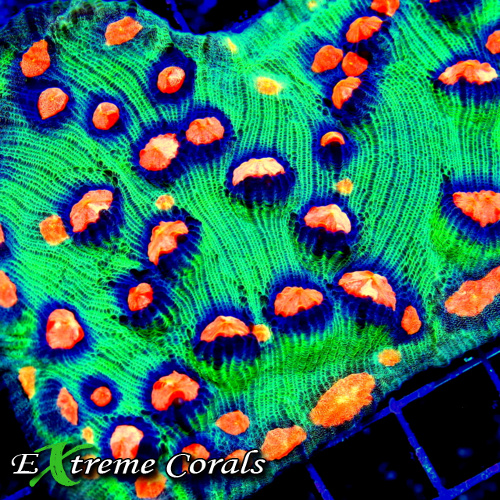
Learn how seasonal changes affect coral health in reef tanks, including temperature swings, lighting changes, salinity, feeding, equipment checks and coral stress signs.
Learn seasonal coral care for reef tanks, including temperature control, lighting changes, salinity, feeding, maintenance, coral stress signs and seasonal stability tips.
by Scott Shiles • May 01, 2026
All Corals, Reef Tank Equipment
Seasonal coral care matters because reef tanks are affected by the world outside the aquarium. Summer heat, winter cold, changing room temperatures, holiday travel, household air conditioning, heating systems, light exposure, evaporation, and maintenance routines can all influence coral health. Even stable reef tanks can start showing stress when the seasons change and the system is not adjusted carefully.
Corals depend on stability. Temperature, salinity, alkalinity, nutrients, lighting, and water flow all work together to support coral growth, color, polyp extension, and tissue health. Seasonal changes can disrupt that balance if heaters, chillers, fans, top-off systems, lights, and feeding routines are not checked before conditions shift.
At Extreme Corals, we see reef tanks do best when hobbyists prepare ahead of seasonal swings instead of reacting after corals are already stressed. This guide explains seasonal coral care, including temperature control, summer overheating, winter cooling, lighting adjustments, evaporation, salinity stability, feeding changes, equipment checks, and warning signs of coral stress. For more reef care help, you can also review our coral care guide, reef tank technology guide, and reef tank water parameters guide.
Why Seasonal Changes Affect Reef Tanks
A reef aquarium is a controlled environment, but it is still influenced by the room around it. A tank near a window, exterior wall, air vent, heater, garage door, or sunny room can experience seasonal temperature and evaporation changes faster than expected.
Seasonal shifts can affect:
- Temperature: Summer heat and winter cold can push the tank outside the ideal range.
- Salinity: Evaporation changes can cause salinity swings if top-off is inconsistent.
- Lighting: Room sunlight and reef light schedules may need seasonal attention.
- pH: Closed-up winter homes can sometimes reduce gas exchange and affect pH.
- Feeding and nutrients: Coral growth and tank metabolism may change with temperature and lighting.
- Equipment load: Heaters, fans, chillers, and ATO systems may work harder during seasonal extremes.
A stable reef tank is not a tank that never changes. It is a tank where changes are anticipated, measured, and controlled before they become stressful.
Understanding Coral Biology and Seasonal Stress
Corals are living animals that rely on a close relationship with symbiotic algae called zooxanthellae. These algae live inside coral tissue and help provide energy through photosynthesis. When tank conditions swing too far or too quickly, that relationship can become stressed, leading to fading, bleaching, poor extension, or tissue decline.
Temperature is one of the biggest seasonal stress factors. Many reef corals do well around 76-80°F, although some sensitive species may prefer slightly cooler or narrower ranges. The exact number matters less than avoiding rapid swings and repeated heat stress.
Seasonal changes can also influence feeding response, nutrient demand, evaporation, and coral growth. A tank that grows quickly in one season may consume alkalinity and calcium faster than it did during a slower period. Regular testing helps you catch those changes before corals show visible stress.
Best Seasonal Water Parameters for Coral Health
Seasonal reef care starts with stable parameters. During seasonal transitions, test more often than usual so small changes do not become large swings.
| Parameter | Recommended Range |
|---|---|
| Temperature | 76-80°F for most reef corals |
| Salinity | 1.024-1.026 specific gravity |
| pH | 8.1-8.4 |
| Alkalinity | 8-10 dKH |
| Calcium | 400-450 ppm |
| Magnesium | 1250-1350 ppm |
| Nitrate | 2-10 ppm |
| Phosphate | 0.03-0.07 ppm |
A stable tank within these ranges usually gives most corals a strong foundation. Some coral types have more specific preferences, so always consider the needs of the actual corals in your system.
Summer Reef Tank Problems
Summer can be hard on reef tanks because heat builds quickly. Room temperature, direct sunlight, warmer household air, strong lighting, pumps, and closed canopies can all push aquarium temperature higher.
Common summer issues include:
- Tank temperature rising above the normal range
- Faster evaporation and salinity instability
- Reduced oxygen levels in warmer water
- Corals retracting during peak heat
- Bleaching or fading from heat and light stress
- Higher equipment demand from fans, chillers, and ATO systems
Summer heat can be especially risky for fleshy LPS corals, sensitive SPS corals, and corals already stressed from shipping, poor placement, or recent parameter swings.
How to Keep a Reef Tank Cool in Summer
The best summer strategy is prevention. Do not wait until the tank is already overheating. Check equipment before warm weather arrives and make sure you have a plan for heat waves or air conditioning outages.
Summer cooling tips include:
- Use fans across the water surface to increase evaporative cooling.
- Consider a chiller for tanks that run hot or contain sensitive corals.
- Keep the aquarium away from direct sunlight.
- Make sure canopies and cabinets allow heat to escape.
- Reduce peak lighting intensity or shorten the photoperiod during heat waves if needed.
- Monitor temperature with a reliable thermometer or controller.
- Keep extra RO/DI water ready because evaporation may increase.
If you need to lower temperature, do it gradually. Sudden temperature drops can shock corals just like heat spikes can. Stability is the goal.
Winter Reef Tank Problems
Winter can create the opposite problem. Cooler rooms, power outages, drafty windows, basement tanks, and heaters working harder can all affect reef stability.
Common winter issues include:
- Temperature drops during cold nights
- Heater failure or undersized heaters
- pH changes from closed-up homes and reduced fresh air exchange
- Salinity changes from altered evaporation rates
- Reduced maintenance consistency during travel or holidays
- Corals retracting from temperature or chemistry swings
Winter stability is especially important for tanks with high-value corals, SPS systems, and sensitive fleshy corals such as Acanthophyllia, Trachyphyllia, and Symphyllia Wilsoni.
How to Keep a Reef Tank Stable in Winter
Winter reef tank preparation should focus on heater reliability, temperature monitoring, backup planning, and maintaining oxygen exchange.
Winter stability tips include:
- Use a reliable heater sized for your tank.
- Consider using two smaller heaters instead of one oversized heater.
- Use a temperature controller for added safety.
- Keep the tank away from cold drafts and exterior doors.
- Watch pH if the home is closed up for long periods.
- Maintain surface agitation for gas exchange.
- Have a power outage plan for heat and circulation.
A heater failure can damage corals quickly. Test and inspect heaters before cold weather arrives, not after the tank has already dropped several degrees.
Evaporation, Salinity and Auto Top-Off Systems
Evaporation often changes with the seasons. Summer heat, fans, dry winter air, open tops, and household humidity all affect how much freshwater leaves the tank. When water evaporates, salt stays behind, so salinity rises unless freshwater is replaced.
Salinity swings can stress corals and may cause poor extension, tissue irritation, or slow decline. An automatic top-off system, or ATO, is one of the most useful tools for seasonal reef stability because it replaces evaporated freshwater consistently.
Seasonal ATO tips include:
- Check the freshwater reservoir more often during high-evaporation periods.
- Clean ATO sensors regularly.
- Confirm the ATO pump is working before travel.
- Use RO/DI water for top-off, not saltwater.
- Verify salinity with a calibrated refractometer or reliable tester.
For more technology that supports stability, review our reef tank technology guide.
Seasonal Lighting Adjustments
Reef lighting should be stable and coral-specific, but seasonal conditions can still influence light exposure. Tanks near windows may receive more natural sunlight during certain months. Room temperature can also make high-intensity lighting harder to manage during summer.
Seasonal lighting reminders include:
- Avoid direct sunlight hitting the tank for long periods.
- Use light acclimation when changing intensity or schedule.
- Watch for bleaching during summer heat and high light exposure.
- Do not make sudden spectrum or intensity changes unless needed.
- Keep lighting matched to coral type and placement.
Corals such as Acropora and Montipora may tolerate stronger lighting than many soft corals or lower-light LPS corals, but all corals need gradual changes. For more detail, read our reef tank lighting guide.
Seasonal Feeding and Nutrient Changes
Coral feeding and nutrient demand may shift as tank temperature, coral growth, fish activity, and maintenance routines change. Warmer conditions can increase metabolism and oxygen demand, while changes in feeding or travel schedules can alter nitrate and phosphate levels.
Seasonal feeding tips include:
- Feed consistently instead of making sudden large changes.
- Watch nitrate and phosphate after vacation or holiday feeding changes.
- Feed fleshy LPS corals lightly and avoid excess waste.
- Adjust feeding only after observing coral response and test results.
- Do not overfeed to compensate for seasonal stress.
Many corals benefit from balanced nutrients, but excess feeding during warm periods can increase algae and bacterial risk. Stability matters more than feeding heavily.
Seasonal Equipment Checklist
Equipment should be inspected before seasonal changes become extreme. A quick check can prevent many temperature, salinity, and stability problems.
Before summer, check:
- Fans, chiller, and ventilation
- ATO reservoir size and sensor cleanliness
- Light intensity and heat output
- Return pump and powerhead performance
- Room temperature during the hottest part of the day
Before winter, check:
- Heaters and backup heaters
- Temperature controller settings
- Power outage supplies
- Surface agitation and gas exchange
- Drafts near the aquarium
Before vacations or holidays, check:
- ATO reservoir level
- Feeding plan
- Controller alerts or monitoring tools
- Heater and pump function
- Emergency contact instructions if someone is watching the tank
Monitoring Coral Health During Temperature Shifts
Corals often show stress before a parameter looks dangerously wrong. Watching coral behavior during seasonal changes helps you act before the problem becomes severe.
Signs of seasonal coral stress include:
- Faded or dull coloration
- Bleaching or paling
- Reduced polyp extension
- Fleshy corals staying deflated
- Tissue recession or exposed skeleton
- Poor feeding response
- Excessive slime or irritation
- Algae growing near damaged tissue
A coral journal can help track seasonal patterns. Record temperature, salinity, alkalinity, nitrate, phosphate, lighting changes, feeding changes, and visible coral behavior. Over time, that history can reveal what your reef tank is most sensitive to.
Choosing Corals for Seasonal Stability
Some corals are more forgiving of small seasonal shifts than others. Soft corals, mushrooms, Zoanthids, and some hardy LPS corals may tolerate minor changes better than delicate SPS or sensitive fleshy corals. That does not mean they should be exposed to unstable conditions, but they may be better choices for newer reef keepers or tanks in rooms with seasonal variation.
More forgiving coral groups may include:
- Soft corals
- Zoanthids
- Mushroom corals
- Some Euphyllia corals in stable tanks
- Many beginner-friendly LPS corals
More sensitive coral choices may require tighter control, especially during seasonal transitions. When choosing new corals, match the coral to your tank’s actual stability, not just its appearance.
Common Seasonal Coral Care Mistakes to Avoid
Waiting Until the Tank Overheats
Prepare cooling before summer heat arrives. Once corals are already bleaching or retracting from heat stress, recovery can be harder.
Trusting an Old Heater Without Testing It
Heaters can fail, stick, or become inaccurate. Check heater function before winter and consider a controller for added protection.
Ignoring Evaporation Changes
Seasonal evaporation changes can swing salinity. A reliable ATO and regular salinity checks help prevent this.
Changing Lighting Too Quickly
Sudden lighting changes can stress corals. Make adjustments slowly and watch coral response.
Overfeeding During Stress
Feeding more is not always the answer. Excess food can raise nutrients and make seasonal stress worse.
Skipping Testing During Seasonal Transitions
Test more often when seasons change. Temperature, salinity, alkalinity, nitrate, and phosphate trends can shift before corals visibly decline.
Related Corals and Reef Tank Topics You May Also Like
If you are preparing your reef tank for seasonal changes, these related guides can help:
- Coral Care Guide - Review general coral care, placement, lighting, and water quality basics.
- Reef Tank Technology Guide - Learn how ATO systems, controllers, lighting, and monitoring support stability.
- Reef Tank Water Parameters Guide - Strengthen your testing and stability habits.
- Reef Tank Lighting Guide - Understand light intensity, PAR, spectrum, and acclimation.
- Water Flow and Coral Health - Improve flow patterns and oxygen exchange.
- Coral Care Myths - Avoid common advice that can cause coral stress.
- New Arrival Corals - Browse recently added corals for your reef tank.
- Scott's Handpicked Corals - Explore standout corals selected for color and quality.
Shop Corals With Seasonal Stability in Mind
Seasonal coral care is about preparation, not panic. By controlling temperature, salinity, lighting, flow, feeding, and equipment reliability, you can help your reef tank stay healthier through summer heat, winter cold, vacations, and seasonal household changes.
Browse new arrival corals, LPS corals, SPS corals, soft corals, and Zoanthids at ExtremeCorals.com to choose corals that fit your reef tank, equipment, and long-term care routine.
Frequently Asked Questions About Seasonal Coral Care
How do seasonal changes affect reef tanks?
Seasonal changes can affect temperature, evaporation, salinity, pH, lighting exposure, feeding routines, and equipment demand. These changes can stress corals if they are not managed.
What temperature is best for most reef corals?
Most reef corals do well around 76-80°F, but stability is more important than chasing one exact number. Avoid rapid swings and repeated heat stress.
How can I keep my reef tank cool in summer?
Use fans, ventilation, a chiller when needed, reduced heat exposure, stable room temperature, and careful light management. Lower temperature gradually, not suddenly.
How can I keep my reef tank warm in winter?
Use reliable heaters, consider a temperature controller, avoid drafts, maintain circulation, and have a power outage plan for heat and flow.
Does evaporation change with the seasons?
Yes. Evaporation can increase during hot or dry periods, which can raise salinity if freshwater is not replaced consistently. An ATO helps maintain stability.
Should I change my reef lighting seasonally?
Usually lighting should stay stable, but adjustments may be needed if the tank gets seasonal sunlight or if summer heat makes peak intensity stressful. Make changes gradually.
What are signs of seasonal coral stress?
Signs include fading, bleaching, poor polyp extension, deflated fleshy tissue, tissue recession, poor feeding response, and excessive slime or irritation.
Should I test water more during seasonal transitions?
Yes. Testing more often during seasonal shifts helps catch temperature, salinity, alkalinity, nitrate, and phosphate changes before corals decline.
About the Author
Scott Shiles is the owner of ExtremeCorals.com, which he has operated for over 25 years and is recognized as one of the early dedicated live coral websites on the internet. A lifelong reef keeper since 1984, Scott has decades of hands-on experience maintaining marine aquariums and previously owned and operated a brick and mortar aquarium retail store for 10 years, including five years alongside Extreme Corals. He holds a degree in Marine Biology and has personally selected and sold hundreds of thousands of live corals. An avid scuba diver who has explored reef systems around the world, Scott shares practical coral care and husbandry knowledge based on real world reef experience.
overall rating:
my rating:
log in to rate
Please log in to leave a comment.
For more information visit: additional resources