My Cart: 0 item(s)

Extreme Corals News and Updates
Leptoseris Coral Care in Reef Tanks: Lighting, Flow, Placement and Growth Tips
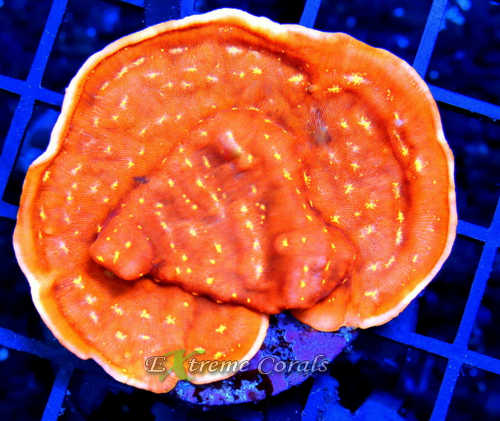
Learn how to care for Leptoseris coral in a reef tank with the right lighting, water flow, placement, feeding, and stable water chemistry for long-term SPS success.
Learn how to care for Leptoseris coral in a reef tank with the right lighting, water flow, placement, feeding, and stable water chemistry for long-term SPS success.
by Scott Shiles • April 12, 2023
Leptoseris is one of the most distinctive SPS corals in the reef hobby thanks to its thin encrusting growth, folded texture, and often striking coloration. Commonly called wrinkle coral, Leptoseris can bring a very different look to a reef tank compared with branching SPS corals like Acropora or Bird’s Nest. This guide explains how to care for Leptoseris in a reef tank, including lighting, water flow, placement, feeding, growth habits, and the stable water conditions it needs to thrive.
For many reef keepers, Leptoseris is appealing because it offers the texture and structure of an SPS coral without always demanding the same type of display space as large branching colonies. It can create beautiful encrusting plates, add visual depth to rockwork, and bring bright color into areas of the tank that benefit from a lower-profile coral. When placed correctly and kept in stable conditions, it can become one of the most interesting corals in the aquarium.
Looking to add colorful SPS corals to your reef tank? Browse our SPS corals for sale and explore healthy corals for your aquarium.
What Is Leptoseris Coral?
Leptoseris is a small polyp stony coral in the Agariciidae family, commonly recognized for its wrinkled or folded surface and thin encrusting or plating growth form. It often forms ridges, shelves, or layered textures across rock surfaces, giving it a very different appearance than many other SPS corals.
In the reef hobby, Leptoseris is especially valued for its color and texture. It is often seen in shades of green, orange, brown, and other glowing tones that stand out well under reef lighting. Its unusual growth pattern makes it a strong choice for hobbyists who want more variety in their SPS section.
Why Leptoseris Is So Popular
- It has a unique wrinkled or folded texture
- It brings strong visual contrast to SPS reef tanks
- It can show bright and unusual coloration
- It works well as a lower-profile SPS coral on rock surfaces
- It is often considered more approachable than some demanding SPS species
Leptoseris is especially attractive to reef keepers who want an SPS coral that adds texture and depth rather than only height or branching structure. It can be a very effective way to make a reef tank look more layered and mature.
Where Leptoseris Is Found in Nature
In the wild, Leptoseris is found in Indo-Pacific reef environments, including regions such as Fiji, Indonesia, and the Great Barrier Reef. It is commonly associated with reef areas that receive stable water movement and moderate light conditions.
That natural background helps explain why Leptoseris usually does best in a reef tank with stable chemistry, moderate to moderately strong flow, and reliable lighting without sudden extreme changes.
Lighting for Leptoseris
Leptoseris generally does best under moderate to moderately high lighting. A practical working range is often around 150 to 250 PAR, though exact placement may vary depending on the tank, acclimation, and the individual coral.
- Moderate to moderately high lighting is usually ideal
- A practical target is often around 150-250 PAR
- Avoid sudden changes in light intensity or spectrum
- Acclimate carefully when moving the coral into brighter areas
Strong lighting can help maintain color and support healthy growth, but abrupt lighting changes can stress Leptoseris and potentially lead to tissue damage. A slow acclimation process is usually the safest approach.
If you are still adjusting your system, learn more about reef tank lighting.
Water Flow for Leptoseris
Leptoseris naturally comes from reef areas with good water movement, which is one reason moderate flow usually works well in captivity. The goal is enough flow to keep the coral clean and support nutrient exchange without blasting it directly.
- Moderate flow is usually a strong starting point
- Steady movement helps remove waste and detritus
- Avoid harsh direct flow that may irritate tissue
- Good flow supports cleaner surfaces and better health
Because Leptoseris has a textured surface, keeping the coral free of debris matters. If flow is too weak, detritus may settle on the folds and ridges. If it is too strong and direct, tissue may remain irritated.
You can also read our reef flow guide.
Best Placement for Leptoseris in a Reef Tank
Leptoseris is often best placed where it can encrust or plate naturally across rockwork without being crowded by faster-growing or more aggressive corals. Because it is a lower-profile SPS coral, it often works well on sloped rock faces, ledges, or open sections of rock where its growth pattern can be appreciated.
- Place it where it has room to encrust or plate outward
- Avoid crowding it with aggressive neighbors
- Choose an area with stable lighting and moderate flow
- Think ahead about future spread across the rock surface
Leptoseris can be a very effective coral for filling in spaces between larger structures or adding color to rockwork that needs more visual interest.
Water Parameters for Leptoseris
Like other SPS corals, Leptoseris depends on stable water chemistry. It usually responds best when salinity, alkalinity, temperature, and pH are kept consistent over time rather than fluctuating frequently.
- Temperature: 75-80°F
- Salinity: stable reef salinity around 1.025
- pH: 8.0-8.4
- Alkalinity: stable and consistent
- Calcium and magnesium should support healthy skeletal growth
Sudden changes in water chemistry can stress the coral and lead to tissue damage. Stability is one of the biggest factors in keeping Leptoseris healthy over the long term.
If you are working on chemistry stability, learn more about alkalinity and pH in reef tanks.
Does Leptoseris Need Feeding?
Leptoseris is primarily photosynthetic and gets much of its energy from the symbiotic zooxanthellae in its tissue. However, it may still benefit from occasional supplemental feeding with fine particulate foods.
- Photosynthesis is the main energy source
- Small particulate foods such as plankton or coral food may help
- Do not overfeed the whole system
- Stable lighting and chemistry matter more than heavy feeding
In many reef tanks, Leptoseris will do well with strong overall husbandry even without aggressive feeding. Still, occasional light feeding may support better health in some systems.
How Fast Does Leptoseris Grow?
Leptoseris is not usually known as one of the fastest-growing SPS corals, but healthy pieces can gradually expand and create attractive encrusting plates over time. Growth often depends heavily on stable parameters, good placement, and patience.
- Growth is usually slow to moderate
- Stable conditions improve long-term expansion
- Lighting and flow strongly affect overall health
- Its value often comes from texture and color as much as speed of growth
Because Leptoseris grows differently than branching SPS corals, success is often measured more by steady encrusting spread and color retention than by rapid vertical growth.
Common Leptoseris Problems
Tissue Damage From Instability
Sudden swings in alkalinity, salinity, temperature, or pH can cause stress and lead to tissue decline.
Color Loss
Weak lighting, nutrient imbalance, or general stress can reduce coloration over time.
Detritus Accumulation
If water flow is too weak, debris may collect on the textured surface of the coral.
Stress From Rapid Lighting Changes
Too much light too quickly can lead to bleaching or tissue damage.
How to Tell If Leptoseris Is Healthy
- Consistent coloration across the colony
- Clean tissue with no visible recession
- Gradual encrusting or plating growth
- A stable appearance with no ongoing stress signs
A healthy Leptoseris colony usually looks settled and stable on the rockwork. If it begins fading, receding, or collecting debris constantly, it is worth reviewing placement, flow, and overall tank stability.
Related Corals You May Also Like
If you are interested in Leptoseris, you may also want to explore other SPS and reef-building corals:
- Browse SPS corals for sale
- Bird’s Nest coral care guide
- Pocillopora care guide
- Montipora care and growth guide
- The joys of reefkeeping
Ready to build a more colorful SPS reef? Browse our SPS corals for sale and explore healthy corals for your reef tank.
Shop Leptoseris and SPS Corals
Explore our WYSIWYG SPS corals and find colorful encrusting, plating, and branching corals for your aquarium.
Frequently Asked Questions
Q: What PAR does Leptoseris need?
A: A practical range is often around 150 to 250 PAR, depending on the tank and acclimation.
Q: Is Leptoseris an easy SPS coral?
A: It is often considered relatively approachable compared with some more demanding SPS species, especially when kept in stable reef conditions.
Q: Does Leptoseris need feeding?
A: It is mainly photosynthetic, but occasional supplemental feeding with fine particulate foods may be beneficial in some systems.
Q: Where should I place Leptoseris in a reef tank?
A: It is often best placed on rockwork where it can encrust naturally under moderate to moderately high lighting and moderate flow.
Q: Why is my Leptoseris losing tissue?
A: Tissue damage is often linked to instability, poor placement, weak flow, or sudden lighting changes.
About the Author
Scott Shiles is the owner of ExtremeCorals.com, which he has operated for over 25 years and is recognized as one of the early dedicated live coral websites on the internet. A lifelong reef keeper since 1984, Scott has decades of hands-on experience maintaining marine aquariums and previously owned and operated a brick and mortar aquarium retail store for 10 years, including five years alongside Extreme Corals. He holds a degree in Marine Biology and has personally selected and sold hundreds of thousands of live corals. An avid scuba diver who has explored reef systems around the world, Scott shares practical coral care and husbandry knowledge based on real world reef experience.
overall rating:
my rating:
log in to rate
Please log in to leave a comment.
For more information visit: additional resources