My Cart: 0 item(s)

Extreme Corals News and Updates
Torch Corals for Sale: Complete Care, Compatibility and Buying Guide From Extreme Corals
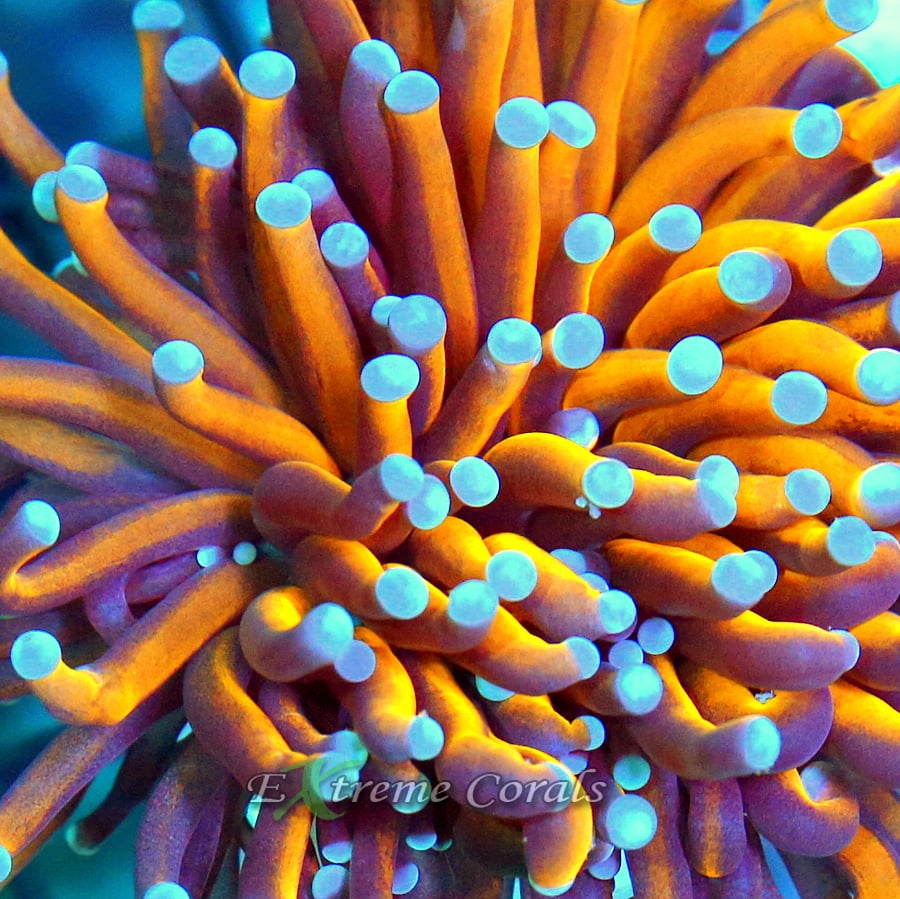
A comprehensive Torch Coral guide from Extreme Corals covering Torch Coral care, compatibility, lighting, flow, placement, feeding, aggression, tank mates, water parameters, and buying tips.
Shop Torch Corals and learn complete Torch Coral care, compatibility, lighting, flow, placement, feeding, aggression, tank mates, water parameters and buying tips.
by Scott Shiles • May 15, 2026
Torch Corals are one of the most important corals we sell at Extreme Corals, and they deserve more than a basic compatibility article. A healthy Torch Coral can become the centerpiece of a reef tank because it brings long flowing movement, intense color, strong visual height, and that unmistakable Euphyllia look reef keepers love. Gold Torch Corals, Indo Torch Corals, Dragon Soul-style torches, green torches, purple-tip torches, and other collector varieties are often some of the first corals customers ask about when they want a reef tank that looks alive.
Here at Extreme Corals, we have handled, selected, photographed, shipped, and sold a tremendous number of Torch Corals over the years. In our experience, Torch Coral success comes down to four things: stability, spacing, moderate indirect flow, and buying a healthy specimen to begin with. Torch Corals are not impossible to keep, but they are not passive soft corals either. They are fleshy LPS corals with long tentacles, real stinging power, strong buyer demand, and very specific placement needs.
This guide is written as a complete Torch Coral care, compatibility, and buying guide from our real-world experience selling live corals. It covers Torch Coral lighting, flow, placement, water parameters, feeding, aggression, tank mates, compatibility with other corals, signs of health, common problems, shipping and acclimation, Indo vs Aussie-style buying considerations, and how to choose a Torch Coral that has the best chance of thriving in your reef tank.
If you are ready to shop, browse our Torch Corals and LPS corals for sale, new arrival corals, and Scott's Handpicked Corals. If you are still preparing your system, start with our coral care guide, Torch Coral care guide, and coral aggression guide.
Why Torch Corals Are So Popular
Torch Corals have become one of the most desired LPS corals in the reef aquarium hobby because they create movement that few other corals can match. When a Torch Coral is healthy and placed correctly, the long tentacles move naturally with the current and create a flowing, waving look that immediately draws attention.
Customers love Torch Corals because they offer:
- Long flowing tentacles with strong movement
- Bright gold, green, purple, blue, yellow, and multi-color varieties
- Showpiece potential in mixed reefs and LPS gardens
- Strong contrast against rockwork, Zoanthids, mushrooms, and SPS corals
- Collector appeal for high-end color morphs
- A dramatic centerpiece look even from a single healthy head
In our experience, Torch Corals sell well because they look impressive immediately. A small frag can still have visual impact because the tentacles extend, sway, and catch the eye. That is also why placement matters so much. A Torch Coral is not a coral you tuck into a tight gap. It needs room to become the coral customers are hoping for.
What Is a Torch Coral?
Torch Coral is a large polyp stony coral commonly associated with Euphyllia-style corals. Torch Corals have hard branching or wall-like skeletons with fleshy polyps that extend long tentacles. The tentacle tips may be rounded, bright, contrasting, or glowing under reef lighting, depending on the variety.
Torch Corals are related in the hobby to other flowing LPS corals such as Hammer Corals and Frogspawn Corals, but Torch Corals usually have longer, more separated tentacles and a more aggressive reputation. They are often treated as the most dramatic and most powerful member of the common Euphyllia-style group.
A healthy Torch Coral should show:
- Full tentacle extension during the day
- Gentle flowing movement in indirect current
- Flesh covering the skeleton properly
- Stable coloration
- No brown jelly or melting tissue
- No fresh recession around the head
- A clean base or skeleton when visible
Because Torch Corals are fleshy LPS corals, the living tissue should always be protected from sharp rock, direct flow, rough handling, and aggressive neighbors.
Torch Coral Care Difficulty
Torch Corals are best described as moderate care corals. They are not as demanding as many Acropora and SPS corals, but they are less forgiving than many beginner soft corals. They need stable reef conditions and thoughtful placement.
Torch Corals become much easier when:
- The tank is mature and stable
- Salinity does not swing
- Alkalinity is steady
- Flow is moderate and indirect
- Lighting is moderate and acclimated slowly
- The coral has room to expand
- Nearby corals cannot sting or crowd it
Most Torch Coral problems we see are not because the coral is “too hard.” They usually trace back to direct flow, poor spacing, unstable alkalinity, salinity drift, shipping stress, or coral aggression.
Best Water Parameters for Torch Coral
Torch Corals need stable reef water. They are stony corals, so calcium, alkalinity, and magnesium matter. They are also fleshy LPS corals, so sudden swings can cause tissue stress quickly. Stability is more important than chasing perfect numbers.
| Parameter | Recommended Range for Torch Coral |
|---|---|
| Temperature | 76-80°F |
| Salinity | 1.024-1.026 specific gravity |
| pH | 8.1-8.4 |
| Alkalinity | 8-10 dKH, kept stable |
| Calcium | 400-450 ppm |
| Magnesium | 1250-1350 ppm |
| Nitrate | 2-10 ppm for many mixed reef systems |
| Phosphate | 0.03-0.07 ppm for many mixed reef systems |
In our experience, Torch Corals usually do not look their best in water that is stripped completely clean. Low to moderate nutrients can support fleshy tissue and color, as long as the system is not dirty or algae-dominated. The goal is clean, stable water with measurable nutrients, not sterile water.
For a deeper reef chemistry breakdown, read our reef tank water parameters guide and our guide to nitrates in reef tanks.
Alkalinity Stability Matters With Torch Corals
If a customer asks me why a Torch Coral suddenly started pulling back, alkalinity is one of the first things I want to know. Torch Corals can react badly to sharp alkalinity swings. A coral may look fine one week, then retract or begin recession after dosing changes, missed dosing, a large water change with different alkalinity, or unstable consumption in the tank.
Alkalinity problems may show up as:
- Reduced tentacle extension
- Tissue pulling away from the skeleton
- Recession around the head
- Increased sensitivity to flow or light
- Poor recovery after shipping or dipping
Do not chase alkalinity aggressively. A steady number inside a safe range is usually better than a “perfect” number that swings. Test consistently, dose carefully, and make corrections slowly.
Torch Coral Lighting Requirements
Torch Corals usually do best under moderate reef lighting. They need enough light to support their symbiotic algae, but they do not need to be blasted under the strongest light in the tank. Many Torch Corals do well in middle areas of the aquarium or lower-middle zones depending on the fixture, tank depth, and PAR.
A practical starting range for many Torch Corals is often around 75-150 PAR, with careful adjustment based on the coral’s response. Some specimens may adapt to slightly higher light, but new Torch Corals should be light acclimated gradually.
Signs Torch Coral may be getting too much light include:
- Faded or pale tissue
- Shorter daytime extension
- Bleaching or washed-out color
- Tissue tightening around the skeleton
- Better extension in shaded periods
Signs Torch Coral may need better light include:
- Dull color over time
- Slow decline in fullness despite stable water
- Stretching toward light
- Poor long-term growth with otherwise proper care
Here at Extreme Corals, we would rather see a new Torch Coral started in moderate lighting and adjusted slowly than placed too high too quickly. For more lighting help, read our reef tank lighting guide.
Best Water Flow for Torch Coral
Flow is one of the most important parts of Torch Coral care. A Torch Coral should move in the water, not fight the water. The tentacles should sway, wave, and extend naturally. They should not be whipped violently, pinned in one direction, folded over the skeleton, or blasted by direct powerhead output.
Good Torch Coral flow should be:
- Moderate
- Indirect
- Broad rather than narrow
- Random enough to create natural movement
- Strong enough to keep debris from settling
- Gentle enough to protect fleshy tissue
Too much direct flow can cause:
- Tissue tearing
- One-sided recession
- Constant retraction
- Tentacles whipping into nearby corals
- Failure to fully extend
Too little flow can cause:
- Detritus buildup around the skeleton
- Reduced gas exchange
- Poor extension
- Increased irritation around the tissue base
In our experience, many Torch Coral issues are flow problems. If the coral is closed, leaning hard in one direction, or receding on the side facing a pump, check flow before assuming the coral needs more light or more food. Our water flow and coral health guide explains this in more detail.
Best Placement for Torch Coral
Torch Corals usually do best in areas with moderate lighting, moderate indirect flow, and open space around the coral. They should not be wedged into tight rockwork, placed directly beside other corals, or positioned where their tentacles are forced into constant contact with rock, glass, or neighbors.
Good Torch Coral placement options include:
- Middle rock ledges with open space
- Lower-middle LPS zones with moderate light
- Dedicated Euphyllia areas with careful spacing
- Open spots where tentacles can move freely
- Areas away from direct pump output
Avoid placing Torch Corals:
- Directly in front of a powerhead
- Too close to other LPS corals
- Near delicate SPS colonies
- Against sharp rock where tissue can rub
- Under intense lighting without acclimation
- In stagnant corners where waste collects
A Torch Coral should look relaxed when it is happy. If it looks like it is fighting its location, the placement is wrong. Our coral placement guide can help you build better zones.
Torch Coral Aggression and Sweeper Tentacles
Torch Corals are aggressive LPS corals. Their long tentacles can sting nearby corals, and their reach can be longer than many reef keepers expect. A Torch Coral may look safely placed during the day, then extend farther after lights dim or when flow changes.
Torch Coral aggression matters because:
- Long tentacles can sting neighboring corals
- Sweeper reach may increase at night
- Flow can push tentacles into other corals
- Sting damage can lead to tissue loss
- Small frags can become larger colonies over time
Do not place Torch Corals based only on skeleton size. Plan for full extension and future growth. A few inches of space may not be enough in some tanks. More space is safer, especially around expensive corals.
Can Torch Corals Touch Other Corals?
In most cases, Torch Corals should not touch other corals. Their tentacles can damage softer corals, many LPS corals, and nearby SPS corals. Even if the other coral survives the first contact, repeated stinging can cause tissue recession and long-term stress.
Corals that should be kept away from Torch Corals include:
- Hammer Corals unless carefully tested and spaced
- Frogspawn Corals unless carefully tested and spaced
- Fleshy brain corals
- Chalice corals
- Scolymia and Acanthophyllia
- Acans and Micromussa
- SPS corals
- Zoanthid gardens you do not want irritated
Some reef keepers keep Torch Corals near other Euphyllia-style corals, but that does not mean contact is always safe. Individual colonies behave differently. The safest approach is spacing and observation.
Can Torch Corals Touch Each Other?
Sometimes Torch Corals can be kept near other Torch Corals, but it is not guaranteed that every torch will tolerate every other torch. Some Torch Corals coexist in a torch garden, while others show irritation, poor extension, or tissue damage after contact.
If you are building a torch garden:
- Start with space between colonies.
- Observe each torch during full extension.
- Watch after lights out for longer reach.
- Do not force different torches into constant contact.
- Keep strong flow from pushing one torch into another all day.
- Be ready to move a coral if irritation appears.
In our experience, torch gardens are beautiful when done correctly, but they should not be packed tightly just because they are all called Torch Corals.
Torch Coral vs Hammer Coral vs Frogspawn Coral
Torch Corals, Hammer Corals, and Frogspawn Corals are often compared because they are all popular flowing LPS corals. They can all be beautiful, but Torch Corals usually have longer, more separated tentacles and are often more aggressive.
| Coral | General Look | Aggression Level | Placement Notes |
|---|---|---|---|
| Torch Coral | Long flowing tentacles with bright tips | Often high | Needs generous space and indirect flow |
| Hammer Coral | Hammer or anchor-shaped tips | Moderate | Good LPS coral with spacing |
| Frogspawn Coral | Clustered branching tentacle tips | Moderate | Often more tolerant near hammers than torches |
If you are comparing these corals, read our Hammer Coral care guide, Frogspawn Coral care guide, and Euphyllia coral care guide.
Best Fish Tank Mates for Torch Coral
Torch Corals usually do best with peaceful reef-safe fish that do not nip at fleshy tissue, perch on the coral, or constantly swim through the tentacles. A fish can be generally reef-safe and still annoy a Torch Coral if it claims the coral as a host or repeatedly brushes against it.
Good fish candidates often include:
- Gobies
- Peaceful wrasses
- Blennies that do not pick at coral tissue
- Peaceful clownfish with observation
- Firefish
- Cardinalfish
- Small reef-safe community fish
Behavior matters more than labels. Watch the coral after adding new fish. If the Torch Coral stays closed or retracts every time a fish approaches, the fish may be part of the problem.
Fish and Invertebrates to Watch Around Torch Corals
Some fish and invertebrates may irritate Torch Corals, steal food, nip tentacles, or damage tissue. Not every individual will cause trouble, but these animals should be watched closely.
Use caution with:
- Some angelfish
- Some butterflyfish
- Large crabs
- Aggressive shrimp that steal food
- Clownfish that try to host too aggressively
- Fish that perch directly on coral tissue
- Urchins or snails that knock the coral loose
Repeated irritation can cause a Torch Coral to stay partially closed. Over time, that stress can become tissue damage.
Feeding Torch Coral
Torch Corals are photosynthetic, but they can benefit from occasional feeding. Feeding can support tissue fullness, recovery, and growth when the coral is already healthy. It should not be used as a replacement for proper water, light, and flow.
Good Torch Coral foods include:
- Mysis shrimp
- Small LPS pellets
- Finely chopped marine shrimp
- Small meaty reef foods
- Zooplankton-based coral foods
Feed small portions only. Large food can be rejected or irritate tissue. Heavy feeding can raise nutrients and fuel algae. In many tanks, one light feeding per week or occasional feeding when the coral shows a feeding response is enough.
How to Choose a Healthy Torch Coral Online
When buying Torch Corals online, do not buy by color alone. A bright photo is not enough. Look at the tissue, skeleton, extension, and overall condition. A healthy Torch Coral should look full and stable, not freshly damaged or receding.
Look for:
- Good tentacle extension
- Flesh covering the head properly
- No brown jelly or melting tissue
- No exposed skeleton around the polyp edge
- Stable color without severe bleaching
- Clean skeleton below the head
- No obvious pests or algae irritating the tissue
Be cautious with:
- Heads that are tightly closed in every photo
- Fresh recession around the skeleton
- Brown slime or cloudy tissue
- Bleached or washed-out specimens
- Fresh cuts too close to living tissue
- Tissue that appears torn or pulled away
At Extreme Corals, WYSIWYG selection matters because customers want to see the actual coral they are buying. The best Torch Coral purchase is one that combines strong color with healthy tissue and a realistic chance of success in your tank.
Gold Torch Corals and Collector Torch Varieties
Gold Torch Corals and other collector torches are some of the most desired pieces in the LPS category. They can command higher prices because of color, demand, growth rate, origin, size, and overall appearance. These corals should be treated like premium livestock, not impulse purchases.
Collector Torch Coral value may be influenced by:
- Gold, yellow, green, purple, or blue coloration
- Brightness under blue reef lighting
- Tip color and contrast
- Number of heads
- Tentacle extension
- Health and tissue condition
- Rarity and demand
If a Torch Coral is expensive, the care should be even more deliberate. Stable conditions, quarantine or inspection, careful acclimation, and proper spacing are all part of protecting that investment.
Acclimating a New Torch Coral
New Torch Corals should be acclimated with care. Shipping, temperature change, salinity difference, dipping, and lighting change can all stress fleshy LPS corals. A new torch may not fully open immediately, but it should improve under stable conditions.
Good acclimation practices include:
- Temperature acclimate before transfer.
- Inspect tissue and skeleton closely.
- Check for recession, pests, or damaged flesh.
- Dip when appropriate and follow product directions.
- Start in moderate light.
- Use moderate indirect flow.
- Give the coral space from other corals immediately.
- Avoid moving it repeatedly unless placement is clearly wrong.
A Torch Coral that has just arrived needs stability more than constant adjustment. If the coral is improving day by day, give it time.
Should You Quarantine Torch Corals?
Quarantine or careful observation is strongly recommended, especially for high-value Torch Corals. Even healthy-looking corals can carry pests, algae, bacteria, or tissue issues that are easier to manage outside the display.
Quarantine helps you:
- Watch for pests before display placement
- Observe tissue after shipping
- Dip or treat outside the main tank when appropriate
- Prevent problems from reaching established LPS corals
- Confirm the coral is opening and recovering
For a full process, read our coral quarantine guide and coral pests and predators guide.
Common Torch Coral Problems
Torch Coral problems should be taken seriously because fleshy LPS corals can decline quickly once tissue damage begins. The key is to identify the cause instead of guessing.
Torch Coral Not Opening
A Torch Coral may stay closed because of direct flow, too much light, salinity swings, alkalinity instability, shipping stress, pests, fish irritation, or nearby coral aggression. Start by checking flow, spacing, and recent parameter changes.
Torch Coral Tissue Recession
Tissue recession may come from alkalinity swings, direct flow, stings from nearby corals, physical damage, pests, bacterial issues, or poor recovery after shipping. Once recession begins, reduce irritation and stabilize the environment.
Brown Jelly Disease
Brown jelly is one of the most serious problems for Torch Corals and other Euphyllia-style corals. It appears as brown, slimy, decaying tissue and can move quickly. If suspected, isolate when possible, improve water quality, remove decaying material carefully, and consider appropriate coral dips or treatment outside the display.
Bleaching or Faded Color
Bleaching may happen from too much light, heat stress, low nutrients, or sudden changes. If a new Torch Coral fades after being placed high in the tank, light stress may be involved.
Tentacles Too Short or Tight
Short, tight extension often points to flow, light, irritation, or parameter instability. A healthy Torch Coral should extend naturally when comfortable.
One Side Is Retracted
If one side of the coral is retracted, look for directional flow, a nearby stinging coral, fish irritation, or tissue damage on that side. One-sided problems often have a one-sided cause.
Torch Coral Growth and Splitting Heads
Branching Torch Corals can grow new heads over time when conditions are stable. Growth may be slow at first while the coral settles, then improve as it adapts to the tank. A healthy Torch Coral can eventually become a dramatic colony.
Signs of good Torch Coral growth include:
- New heads forming
- Stable or improving color
- Full extension most days
- Flesh staying healthy around the skeleton
- No recession or brown jelly
- Improved response to feeding
Do not judge success by instant growth. A Torch Coral that is open, stable, and holding color is already doing well.
Can You Frag Torch Coral?
Branching Torch Corals can often be fragged when the branch has enough skeleton below the living tissue. Wall-style Torch Corals are much riskier and should not be treated like branching varieties.
Basic branching Torch Coral fragging principles include:
- Only frag healthy, established colonies.
- Cut the skeleton below the living tissue.
- Do not cut through inflated flesh.
- Use clean coral cutters or a coral saw.
- Give fresh frags moderate indirect flow.
- Watch carefully for brown jelly or recession.
If you are not experienced, do not make a valuable Torch Coral your first fragging project. Read our coral fragging guide before cutting any premium LPS coral.
Torch Corals in Mixed Reef Tanks
Torch Corals can do very well in mixed reef aquariums, but they need their own space. They should not be packed tightly between SPS, Zoanthids, chalices, brain corals, and other LPS corals. A torch in a mixed reef should be treated as an aggressive showpiece coral.
In mixed reefs, Torch Corals do best when:
- They have open space around them.
- They are placed away from delicate SPS.
- They are not near aggressive chalices or Galaxea.
- Flow allows movement without forcing contact.
- They receive moderate light without shock.
- Nearby corals are monitored as they grow.
A Torch Coral can be one of the best-looking corals in a mixed reef, but it should be planned around, not squeezed in as an afterthought.
Our Practical Torch Coral Advice at Extreme Corals
Because Torch Corals are one of the most important corals we sell, we want customers to succeed with them. The best Torch Coral tanks are not always the most complicated tanks. They are stable tanks with good placement, good flow, and reef keepers who observe before reacting.
Our practical Torch Coral rules are:
- Buy healthy tissue, not color alone.
- Keep alkalinity and salinity stable.
- Use moderate indirect flow.
- Do not blast the coral with direct current.
- Use moderate lighting and acclimate slowly.
- Give more spacing than you think you need.
- Watch for aggression after lights out.
- Inspect and quarantine when possible.
- Do not ignore tissue recession or brown jelly.
When a Torch Coral is placed correctly and kept stable, it can become one of the most rewarding corals in the reef tank.
Related Torch Coral and LPS Guides
If you are researching Torch Corals, these related guides and coral categories can help you make better buying and placement decisions:
- Torch Corals and LPS Corals for Sale - Browse available LPS corals for reef tanks.
- Torch Coral Care Guide - Learn basic Torch Coral care and reef tank placement.
- Hammer Coral Care Guide - Compare another popular Euphyllia-style coral.
- Frogspawn Coral Care Guide - Learn care for another flowing LPS coral.
- Euphyllia Coral Care Guide - Compare Torch, Hammer, and Frogspawn corals.
- Coral Aggression Guide - Understand sweeper tentacles and coral spacing.
- Coral Placement Guide - Plan placement by light, flow, spacing, and growth.
- New Arrival Corals - See recently added corals for your reef tank.
Shop Torch Corals at Extreme Corals
Torch Corals are among the most exciting LPS corals you can add to a reef tank. They bring movement, color, aggression, personality, and real showpiece value. With stable water, moderate lighting, moderate indirect flow, careful acclimation, and generous spacing, a healthy Torch Coral can become the coral everyone notices first.
Browse our Torch Corals and LPS corals for sale, new arrival corals, new arrival coral frags, and Scott's Handpicked Corals at ExtremeCorals.com to find healthy WYSIWYG corals for your reef aquarium.
Frequently Asked Questions About Torch Coral Care and Compatibility
Are Torch Corals hard to keep?
Torch Corals are moderate care LPS corals. They are not impossible, but they need stable water chemistry, moderate indirect flow, moderate lighting, careful placement, and enough space from neighboring corals.
Are Torch Corals aggressive?
Yes, Torch Corals are aggressive compared with many reef corals. Their long tentacles and sweepers can sting nearby corals, especially when spacing is too tight.
How much space does a Torch Coral need?
A Torch Coral should have generous space around it for full daytime extension, nighttime reach, flow movement, and future growth. Several inches or more is often safer than tight placement.
Can Torch Corals touch each other?
Sometimes Torch Corals tolerate nearby Torch Corals, but it is not guaranteed. Start with spacing, observe carefully, and do not force constant contact between colonies.
Can Torch Corals touch Hammer or Frogspawn Corals?
Torch Corals are often more aggressive than Hammer and Frogspawn Corals. Contact is risky and should not be assumed safe. Spacing and observation are the safest approach.
What flow is best for Torch Coral?
Torch Corals usually do best in moderate indirect flow that creates natural tentacle movement without blasting the tissue directly.
How much light does Torch Coral need?
Torch Corals usually prefer moderate reef lighting. New specimens should be light acclimated slowly rather than placed immediately under intense light.
Do Torch Corals need feeding?
Torch Corals are photosynthetic but can benefit from occasional small feedings of mysis shrimp, small LPS pellets, or finely chopped marine foods. Heavy feeding is not necessary.
Why is my Torch Coral not opening?
A Torch Coral may stay closed because of direct flow, too much light, alkalinity swings, salinity instability, shipping stress, pests, fish irritation, or nearby coral aggression.
What should I look for when buying Torch Corals online?
Look for full extension, healthy tissue, no brown jelly, no fresh recession, stable color, clean skeleton, and a specimen that fits your tank’s lighting, flow, and spacing.
About the Author
Scott Shiles is the owner of ExtremeCorals.com, which he has operated for over 25 years and is recognized as one of the early dedicated live coral websites on the internet. A lifelong reef keeper since 1984, Scott has decades of hands-on experience maintaining marine aquariums and previously owned and operated a brick and mortar aquarium retail store for 10 years, including five years alongside Extreme Corals. He holds a degree in Marine Biology and has personally selected and sold hundreds of thousands of live corals. An avid scuba diver who has explored reef systems around the world, Scott shares practical coral care and husbandry knowledge based on real world reef experience.
overall rating:
my rating:
log in to rate
Please log in to leave a comment.
For more information visit: additional resources